
Skip to content
  • Next Steps
    • What is Flowster?
    • Process Management vs Project Management
    • Why Flowster vs MS or Google Docs?
    • Flowster vs Flowcharts
    • Customer Stories
    • Browse our Template Marketplace
    • 3 Minute Demo
    • Visit our Blog
  • Products
    • Capture Chrome Extension
    • Flowster Unlimited
    • Flowster Connect: LinkedIn Automation
    • Flowster Agency Success Tactics (FAST) Playbook
    • Amazon Seller Playbook
  • Marketplace
  • Pricing
  • Next Steps
    • What is Flowster?
    • Process Management vs Project Management
    • Why Flowster vs MS or Google Docs?
    • Flowster vs Flowcharts
    • Customer Stories
    • Browse our Template Marketplace
    • 3 Minute Demo
    • Visit our Blog
  • Products
    • Capture Chrome Extension
    • Flowster Unlimited
    • Flowster Connect: LinkedIn Automation
    • Flowster Agency Success Tactics (FAST) Playbook
    • Amazon Seller Playbook
  • Marketplace
  • Pricing
Log In
Get started for free

Game-Changing Strategies for Conditional Logic in Workflows Challenges

This images suggests team overcoming conditional logic in workflows challenges.
Picture of Liz Dyrsmid

Liz Dyrsmid

  • Published: Jan 23, 2025
  • Last updated: Jan 22, 2025

Conditional logic in workflows can be a game-changer for efficiency and organization. It allows teams to automate decisions and create personalized paths within their processes. However, navigating the conditional logic in workflows challenges can be tricky.

When teams dive into implementing this logic, they often encounter complexities that can lead to confusion. It’s essential to recognize these challenges early on to avoid roadblocks down the line. In this article, we’ll explore common pitfalls, solutions, and best practices that can help you streamline your workflows without the headaches.

Article Outline

Understanding the Complexity of Conditional Logic in Workflows

Integrating conditional logic into your workflows can lead to unexpected complexity. While conditional logic is meant to simplify processes, it can easily become tangled in intricate decision trees. Let’s break down the factors contributing to these conditional logic in workflows challenges.

Acknowledging the Potential for Complexity in Decision Trees

Decision trees are powerful tools that guide users through various paths based on specific conditions. However, as you add more branches and conditions, they can quickly become overwhelming. Each added layer increases the risk of creating confusion, which can hinder user adoption and lead to mistakes. 

Importance of Keeping Logic as Simple as Possible

Simplicity should be your guiding principle in workflow design. Keeping your conditional logic straightforward helps users navigate the process with ease. Aim to prioritize clear, intuitive paths that minimize potential confusion. Simple logic not only enhances user experience but also reduces the likelihood of errors, making your workflows more efficient overall.

To dive deeper into these concepts and explore effective strategies for managing conditional logic, check out this article: Conditional Logic in Workflow Management.
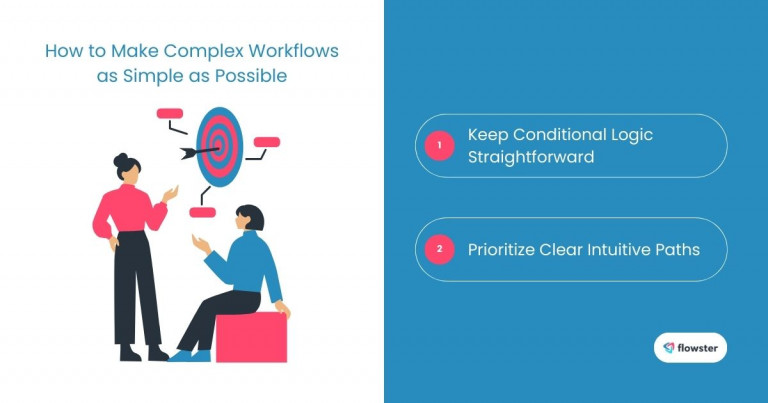
This image illustrates the strategy of keeping logic as simple as possible in conditional logic in workflows challenges.

Common Pitfalls in Workflow Design

Designing workflows that incorporate conditional logic can be tricky, and there are several pitfalls to watch out for. Recognizing these conditional logic in workflows challenges can help you avoid costly mistakes and create smoother processes. Let’s explore two common pitfalls that teams often encounter.

Overcomplicating Conditions

One of the most frequent mistakes in workflow design is overcomplicating conditions. When teams add too many rules and options, it can lead to convoluted logic that confuses users. This complexity can stifle productivity and lead to frustration. 

To avoid this pitfall, focus on the essential conditions that truly matter. Strive for clarity and ease of use to ensure that users can follow the logic without feeling lost.

Ignoring Edge Cases

Edge cases are those uncommon scenarios that can derail a well-designed workflow. Failing to account for these situations can result in errors or significant workflow failures when unexpected events occur. 

It’s crucial to think beyond the typical paths users might take. Anticipating edge cases allows you to create more robust conditional logic that handles a variety of situations gracefully.

For more insights on implementing effective conditional logic in your workflows, check out this article: How to Implement Conditional Logic in Workflows.

Flowster's AI-Driven Automation

Experience the Future of Workflow & Process Management
Start FREE Trial Today!

Testing Your Conditional Logic: Overcoming Common Challenges

Testing is a crucial step in the workflow design process, especially when dealing with conditional logic. Thorough testing helps identify and address potential conditional logic in workflows challenges before they affect users. Let’s discuss two essential aspects of testing your workflows.

Methods for Ensuring All Scenarios Are Covered

To create effective workflows, it’s vital to ensure that every possible scenario is accounted for. This means testing not only the most common paths but also less likely ones. 

Utilize a variety of testing methodologies, such as scenario testing and boundary testing, to cover all bases. These methods help you simulate real-world usage and identify unforeseen issues that could arise when users interact with your logic.

Gathering Feedback from Users

User feedback is invaluable when it comes to testing conditional logic. Often, users can spot issues that you might overlook during the design process. 

Encourage users to share their experiences and insights after testing the workflows. Regularly collecting feedback helps you refine your processes and make necessary adjustments. This iterative approach strengthens your workflows and enhances user satisfaction.

For more tips on effectively gathering user feedback, check out this article: 8 Ways to Collect User Feedback.
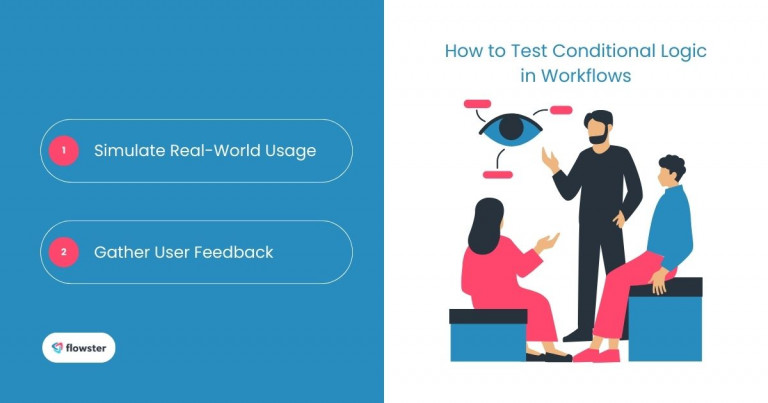
This image illustrates some strategies on how to test conditional logic in workflows challenges.

Maintaining Flexibility and Adaptability in Workflows

In a fast-paced business environment, maintaining flexibility and adaptability in your workflows is essential. This is especially true when dealing with conditional logic in workflows challenges. As business needs evolve, your workflows should be able to adjust accordingly. Let’s look at two key strategies to ensure your workflows remain responsive.

Strategies for Regularly Reviewing and Updating Workflows

Regular reviews of your workflows should be a standard practice. Businesses are dynamic, and the conditions that drive your logic may change over time. 

Set a schedule to reassess your workflows, checking if they still align with your current objectives and user needs. By incorporating a review process, you can identify outdated logic and implement updates that enhance efficiency and effectiveness.

Encouraging a Culture of Continuous Improvement

Creating a culture of continuous improvement is vital for long-term success. Encourage your team to be proactive in seeking ways to enhance workflows. 

Promote open discussions about potential changes, and provide opportunities for team members to contribute ideas. This collaborative approach not only fosters innovation but also ensures that your workflows remain agile and relevant.

For more insights on process mapping and continuous improvement, check out this article: Process Mapping in Continuous Improvement Efficiency.
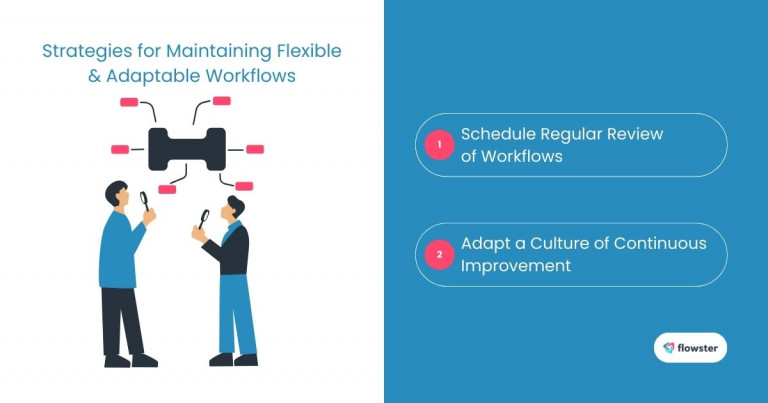
Conditional Logic in Workflows Challenges 2

Ensuring Team Buy-In for Workflow Changes

Getting your team on board with new workflows is crucial for successful implementation, especially when dealing with conditional logic in workflows challenges. If your team doesn’t understand or accept the changes, even the best-designed workflows can falter. Let’s explore two effective techniques for fostering collaboration and acceptance.

Techniques for Facilitating Collaboration and Acceptance

Engaging your team during the workflow design process is essential. When team members feel included, they are more likely to embrace changes. 

Facilitate workshops or brainstorming sessions where everyone can contribute ideas and express concerns. This collaborative atmosphere not only enhances the final design but also fosters a sense of ownership among team members.

Importance of Regular Communication and Support

Clear communication is key to ensuring team buy-in. Keep your team informed about why changes are necessary and how they will benefit from them. 

Provide ongoing support and training during the transition period. Regular updates help in addressing any confusion and reinforce that you value their feedback and experiences.

For tips on effectively involving your team in process documentation, check out this article: Process Documentation: Effectively Involve Your Team.

Capture Your Processes in Minutes!

Say goodbye to tedious documentation and hello to efficiency! Capture lets you document 50-100 steps in under 5 minutes.
Start Capturing Now!

Conclusion: Overcoming Conditional Logic in Workflows Challenges

Navigating the conditional logic in workflows challenges can seem daunting, but with the right strategies, you can turn these challenges into opportunities for improvement. By understanding the complexities, avoiding common pitfalls, rigorously testing your logic, maintaining flexibility, and ensuring team buy-in, you can create workflows that are efficient, effective, and user-friendly.

Remember, the key to successful conditional logic lies in keeping it simple, staying adaptable, and fostering collaboration within your team. As you refine your workflows, don’t hesitate to leverage tools and resources that can help streamline the process.

To get started on updating your workflows, check out the free templates available at Flowster Marketplace. These templates can help you implement what you’ve learned and enhance your workflow efficiency right away!


GET FREE TEMPLATES

Check out our other articles.

1

How a Social Media Video Agency Helps Brands Stand Out Online

Read Now »
122989

Automating Credit Risk Management: What Finance Teams Gain with Modern Software

Read Now »
lee campbell DtDlVpy vvQ unsplash

Making Your Digital Space Inclusive: A Must-Have For Modern Businesses

Read Now »
  •  Categories: Productivity, Workflows
  •  Tags: AI, business process, business processes, change management model, managing change process, process change management, process management, Productivity, Standard Operating Procedure, Standard Operating Procedures, Workflow, Workflows

Leave a Reply Cancel reply

Your email address will not be published. Required fields are marked *

3827 S Carson St, 505-25 Unit #3040
Carson City, NV 89701, USA

© Copyright – Flowster, LLC

Linkedin Twitter Youtube Facebook Instagram
  • About
  • Careers
  • Blog
  • Contact Us
  • About
  • Careers
  • Blog
  • Contact Us
1% For The Planet

RESOURCES

  • Help Docs
  • Integrations
  • Affiliates
  • Virtual Assistant Placement Program
  • Training Videos
  • Partner Webinars
  • Content Partner Program

LEGAL

  • Privacy Policy
  • Terms of Service

Stay up to date on the latest from Flowster

We use cookies on our website to give you the most relevant experience by remembering your preferences and repeat visits. By clicking “Accept”, you consent to the use of ALL the cookies.
Do not sell my personal information.
Cookie settingsACCEPT
Manage consent

Privacy Overview

This website uses cookies to improve your experience while you navigate through the website. Out of these, the cookies that are categorized as necessary are stored on your browser as they are essential for the working of basic functionalities of the website. We also use third-party cookies that help us analyze and understand how you use this website. These cookies will be stored in your browser only with your consent. You also have the option to opt-out of these cookies. But opting out of some of these cookies may affect your browsing experience.
Necessary
Always Enabled
Necessary cookies are absolutely essential for the website to function properly. This category only includes cookies that ensures basic functionalities and security features of the website. These cookies do not store any personal information.
Functional
Functional cookies help to perform certain functionalities like sharing the content of the website on social media platforms, collect feedbacks, and other third-party features.
CookieDurationDescription
akavpau_ppsdsessionThis cookie is provided by Paypal. The cookie is used in context with transactions on the website.
nsidsessionThis cookie is set by the provider PayPal. This cookie is used to enable the PayPal payment service in the website.
tsrce3 daysThis cookie is set by the provider PayPal. This cookie is used to enable the PayPal payment service in the website.
x-pp-ssessionThis cookie is set by the provider PayPal. This cookie is used to process payments from the site.
Performance
Performance cookies are used to understand and analyze the key performance indexes of the website which helps in delivering a better user experience for the visitors.
CookieDurationDescription
ac_enable_tracking1 monthThis cookie is set by the Active Campaign. This cookie is used to keep track of the site usage.
YSCsessionThis cookies is set by Youtube and is used to track the views of embedded videos.
Analytics
Analytical cookies are used to understand how visitors interact with the website. These cookies help provide information on metrics the number of visitors, bounce rate, traffic source, etc.
CookieDurationDescription
_ga2 yearsThis cookie is installed by Google Analytics. The cookie is used to calculate visitor, session, campaign data and keep track of site usage for the site's analytics report. The cookies store information anonymously and assign a randomly generated number to identify unique visitors.
_gcl_au3 monthsThis cookie is used by Google Analytics to understand user interaction with the website.
_gid1 dayThis cookie is installed by Google Analytics. The cookie is used to store information of how visitors use a website and helps in creating an analytics report of how the website is doing. The data collected including the number visitors, the source where they have come from, and the pages visted in an anonymous form.
_hjFirstSeen30 minutesThis is set by Hotjar to identify a new user’s first session. It stores a true/false value, indicating whether this was the first time Hotjar saw this user. It is used by Recording filters to identify new user sessions.
_omappvp11 yearsThe cookie is set to identify new vs returning users. The cookie is used in conjunction with _omappvs cookie to determine whether a user is new or returning.
_omappvs20 minutesThe cookie is used to in conjunction with the _omappvp cookies. If the cookies are set, the user is a returning user. If neither of the cookies are set, the user is a new user.
_uetsid1 dayThis cookies are used to collect analytical information about how visitors use the website. This information is used to compile report and improve site.
Advertisement
Advertisement cookies are used to provide visitors with relevant ads and marketing campaigns. These cookies track visitors across websites and collect information to provide customized ads.
CookieDurationDescription
_fbp3 monthsThis cookie is set by Facebook to deliver advertisement when they are on Facebook or a digital platform powered by Facebook advertising after visiting this website.
fr3 monthsThe cookie is set by Facebook to show relevant advertisments to the users and measure and improve the advertisements. The cookie also tracks the behavior of the user across the web on sites that have Facebook pixel or Facebook social plugin.
IDE1 year 24 daysUsed by Google DoubleClick and stores information about how the user uses the website and any other advertisement before visiting the website. This is used to present users with ads that are relevant to them according to the user profile.
MUID1 year 24 daysUsed by Microsoft as a unique identifier. The cookie is set by embedded Microsoft scripts. The purpose of this cookie is to synchronize the ID across many different Microsoft domains to enable user tracking.
test_cookie15 minutesThis cookie is set by doubleclick.net. The purpose of the cookie is to determine if the user's browser supports cookies.
uidThis cookie is used to measure the number and behavior of the visitors to the website anonymously. The data includes the number of visits, average duration of the visit on the website, pages visited, etc. for the purpose of better understanding user preferences for targeted advertisments.
VISITOR_INFO1_LIVE5 months 27 daysThis cookie is set by Youtube. Used to track the information of the embedded YouTube videos on a website.
Others
Other uncategorized cookies are those that are being analyzed and have not been classified into a category as yet.
CookieDurationDescription
_fw_crm_v1 yearNo description
_gat_UA-124464104-11 minuteNo description
_gat_UA-182261587-11 minuteNo description
_hjAbsoluteSessionInProgress30 minutesNo description
_hjid1 yearThis cookie is set by Hotjar. This cookie is set when the customer first lands on a page with the Hotjar script. It is used to persist the random user ID, unique to that site on the browser. This ensures that behavior in subsequent visits to the same site will be attributed to the same user ID.
_hjIncludedInPageviewSample2 minutesNo description
_hjIncludedInSessionSample2 minutesNo description
_hjTLDTestsessionNo description
_lfa2 yearsThis cookie is set by the provider Leadfeeder. This cookie is used for identifying the IP address of devices visiting the website. The cookie collects information such as IP addresses, time spent on website and page requests for the visits.This collected information is used for retargeting of multiple users routing from the same IP address.
_seg_uid1 yearNo description
_seg_uid_35361 yearNo description
_seg_visitor_35361 yearNo description
_uetvid16 days 6 hoursNo description
CONSENT16 years 8 months 2 days 6 hoursNo description
cookielawinfo-checkbox-functional1 yearThe cookie is set by GDPR cookie consent to record the user consent for the cookies in the category "Functional".
cookielawinfo-checkbox-others1 yearNo description
DO-LBNo description
enforce_policy1 yearNo description
hyperise_session2 hoursNo description
l7_az30 minutesNo description
LANG9 hoursNo description
prism_7995608311 monthNo description
RUL1 yearNo description
whr_nov1 yearNo description
x-cdnNo description
SAVE & ACCEPT
Powered by CookieYes Logo
  • Next Steps
    • What is Flowster?
    • Process Management vs Project Management
    • Why Flowster vs MS or Google Docs?
    • Flowster vs Flowcharts
    • Customer Stories
    • Browse our Template Marketplace
    • 3 Minute Demo
    • Visit our Blog
  • Products
    • Capture Chrome Extension
    • Flowster Unlimited
    • Flowster Connect: LinkedIn Automation
    • Flowster Agency Success Tactics (FAST) Playbook
    • Amazon Seller Playbook
  • Marketplace
  • Pricing
Login
Get started for free