
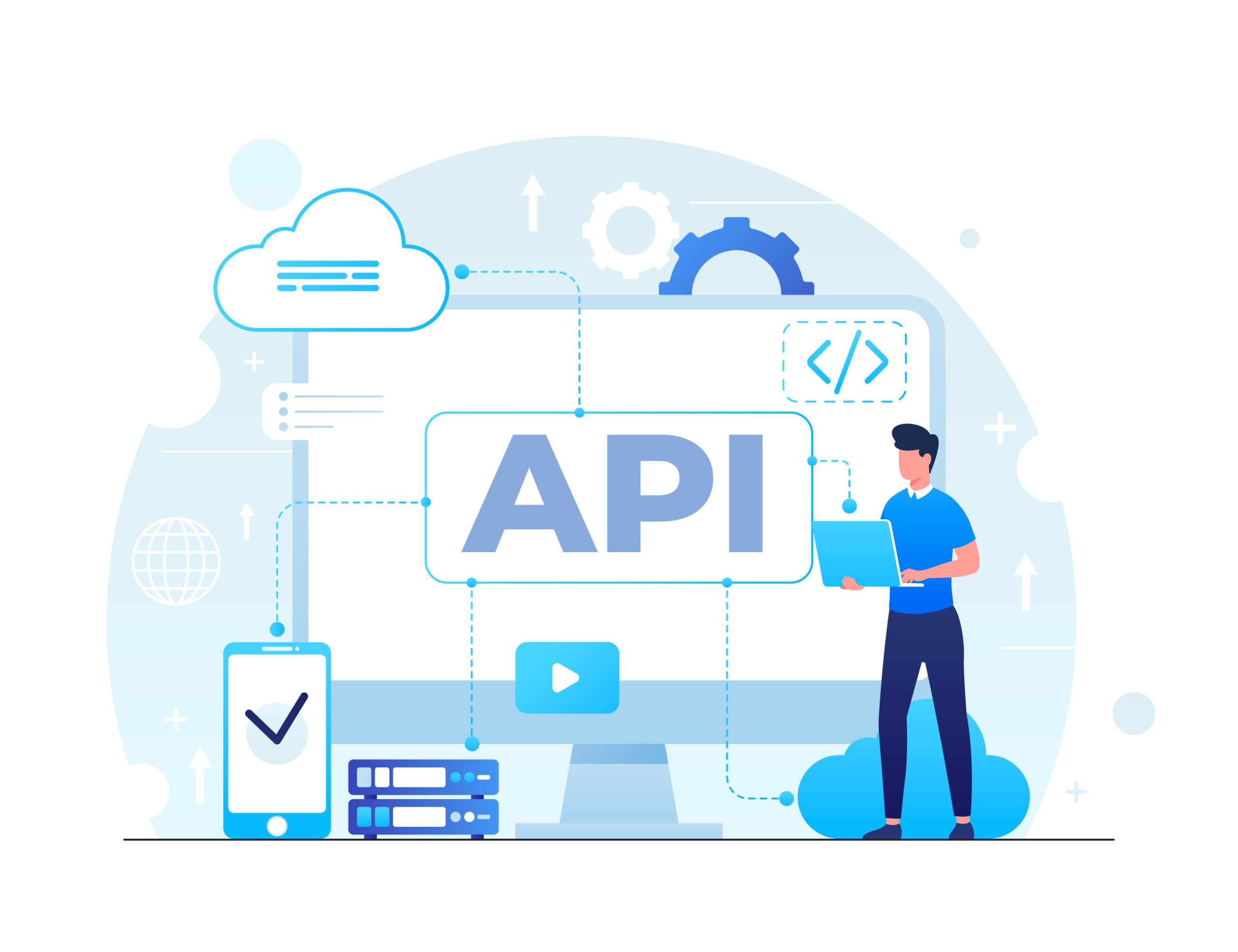

With AI taking hold of search, access to data must become quicker, deeper, and simpler to connect with the tools you use. That’s where an optimization ranking API becomes a useful intermediary between your SEO plan and the software that runs your business.
The API helps you to pull new rankings, features, and SERP context into your own dashboards without delays. An API also helps teams adapt to AI-driven answers in Google and Bing by monitoring visibility, integrating with analytics, and informing content moves when AI Overviews or Copilot summaries change the click path. Let’s find out more about how businesses can truly benefit from switching to an SEO ranking API.
What Is an SEO API Anyway?
If you’ve wondered what is API in SEO, it’s the combination of endpoints, parameters, authentication, and structured responses that allow apps to talk to search data sources, much like the Google Analytics Data API does for analytics, but focused on rankings and SERP context. This allows you to analyze changes at scale, pipe the results into analytics, and trigger actions automatically across your stack.
In practice, an SEO rank API lets you query positions by keyword, device, and location, then store the results in your database for modeling and daily operations without depending on manual exports or UI limits.
As AI answer experiences expand, many teams now treat their rank API alongside an AI results tracking tool such as airesultstracker.com. The tool watches how AI Overviews, Bing Copilot, and emerging answer engines cite or summarize their content, making rankings and AI presence two sides of the same visibility picture. The same thinking applies if you’re integrating a broader SEO API footprint, where rankings, impressions, and engagement flow into a shared warehouse to support multi-team decisions without siloed reports.
The Importance of SEO Data for Business Success
AI Overviews and similar answer experiences can compress clicks for high-volume queries. This highlights the importance of precise tracking and smarter optimization based on reliable data rather than opinions.
In fact, accurate rankings, impression trends, and query coverage help you validate content bets, measure the impact of changes, and keep stakeholders aligned when AI summaries shift attention above the traditional organic results.
With Google folding the helpful content system into core ranking systems and reinforcing policies against scaled, unoriginal content, the data you collect is essential for steering content quality improvements that actually move needles.
Unique Benefits of Using an SEO API
A search engine API offers a number of interesting benefits and helps you ensure business growth in various ways. For instance:
Track Performance in Real Time
When algorithms roll or AI Overviews expand to new markets, freshness matters. The good thing is that ranking endpoints plus analytics APIs help you monitor same-day swings and annotate them for context in your pipeline. As Luke Hodgkins, Digital Operations & Growth Director, once said, “Experts at RiseUp work on these early signs as decision-making inputs, not just reporting data.” It is vital when AI-driven summaries alter CTR patterns and you need to decide within hours whether to adjust titles, internal links, or topical coverage.
Enjoy Greater Scalability and Efficiency
Rank APIs let you track thousands of queries across markets, devices, and verticals without multiplying labor, which is especially helpful for brands with many templates or localized pages. Programmatic collection also makes recurring tasks predictable, so you can reserve human effort for analysis and high-impact changes. For faster, ad-hoc data collection needs, screen scraping remains a practical complement to your API workflow.
Simplify Data Integration
Because an SEO API talks JSON or CSV and your analytics tools do too, connecting rankings to engagement and conversion becomes a straightforward pipeline instead of a weekly copy-paste ritual. This is where the API for SEO metrics shines: you can enrich rankings with impressions, clicks, and goal data from analytics and Search Console APIs to see which position changes actually affect revenue, not just visibility. Over time, that integrated view elevates SEO reporting from a scoreboard to an early-warning and opportunity-finding system that product and growth teams actually use.
Be on Top of Your Competition
Competitor snapshots from an SEO rank help you see who owns which features, where they’ve won a Featured Snippet or Local Pack, and how your positions stack up on the same terms day to day. With that evidence, you can turn SEO competitor research from ad hoc observation into a standard input for content prioritization, internal linking, and collaborative experiments with paid search.
Fine-Tune Reporting and Forecasting
Connecting your rank API to BI and analytics facilitates trend modeling, cohort analysis, and forecasting scenarios where you model the effect of top position in terms of clicks and conversions for your high-value terms. If AI Overviews or Copilot summaries become available for your keywords, those models facilitate quantifying anticipated traffic shifts. This helps you identify counter-moves such as content rewrites, FAQ restructuring, or schema improvements.
Various Use Cases of API in Business
Content teams use keyword rankings in the API to validate whether updates actually moved priority pages, correlate changes with impressions and clicks, and decide which sections to expand next.
On the other hand, product and UX teams plug rankings and Search Console metrics into their sprint analytics to verify if new templates or navigation tweaks lifted discoverability for key categories. Similarly, PR and brand teams monitor whether AI Overviews or Bing Copilot cite their pages on sensitive topics, flagging misattribution risks and proposing content fixes that improve clarity and sourceworthiness.
Finally, executives get clean reporting that ties visibility to pipeline and revenue models, which keeps budgets aligned with what’s working and reduces reliance on unproven SEO secrets that don’t stand up to scrutiny.
How Do You Integrate a Ranking API into Your Workflow?
In order to integrate an API into your workflow, you need to consider the following:
- Start by defining the queries, markets, and devices that reflect your revenue focus. Then, configure your API SEO collection to match those dimensions so your dashboards mirror how the business makes decisions.
- Next, connect analytics via the Google Analytics Data API and Search Console so every ranking datapoint can be paired with engagement and conversion, eliminating partial stories in your reporting.
- Then, show your team the request-response pattern in your ETL. Document how the metrics feed dashboards, anomaly alerts, and weekly planning notes across teams.
- Finally, create annotation rules to ensure that major algorithm events, deployments, or PR hits are stamped on your charts, preventing misdiagnosis when trends bend for reasons outside of SEO work.
The Impact of SEO APIs on Digital Marketing Success
Modern search results can show AI summaries that cut down on clicks. Therefore, mixing an API with analytics is a great way to measure impact and figure out how to shift content to get mentions or extra clicks below the AI block.
For paid teams, the same data helps with smarter bidding on terms where organic visibility is getting squeezed by AI answers, which cuts down on competition and boosts overall results across channels.
From a content playbook standpoint, blending API SEO data with trends in impression share and CTR allows you to see the optimal times to get involved with EEAT topics instead of targeting other queries with possibly high click rates.
Challenges and Winning Approaches
Data freshness and sampling can become tricky sometimes, so you must check the freshness of ranking pulls, keep APIs in sync across time zones, and flag partial data so you’re not making decisions from incomplete windows.
AI Overviews can cause sudden CTR shifts, which means your process should include state checks for AI summary presence and a response plan for rewriting titles, clarifying intros, or adding FAQ sections that align with summarized intents without resorting to thin copy.
When stakeholders ask for short-term wins, you can reference your data to illustrate trade-offs and explain why sustainable activities, such as eliminating near-duplicate pages or improving sourcing, trump shortcuts in the quarter.
Lastly, run an SEO audit to improve rankings and pair competitor SEO research with a shared file. This way, your team can compare similar topics and features rather than comparing brand, informational, and transactional intents in the same charts.
Identifying the Right Ranking API Provider
To get the best SEO ranking API, you must:
- Look for consistent coverage across your target locations and devices, along with clear methods and data retention policies.
- Confirm that the endpoints expose the SERP features your strategy depends on—like snippets, shopping modules, or local pack markers—and that the responses are easy to parse into your warehouse or BI tool.
- If your roadmap includes AI summary monitoring, ensure the vendor supports fields or companion feeds you can pair with API keyword rankings so your visibility story includes both classic blue links and emerging AI answers without extra manual steps.
- In procurement notes, specify acceptable latency, rate limits, and cost per thousand checks to keep budgets predictable and to ensure an API for SEO metrics can scale as you add campaigns and regions.
Conclusion
A ranking API moves SEO from periodic snapshots to a living system where rankings, AI summary presence, and engagement data flow together. This gives your teams the clarity to improve content with confidence rather than reacting late.
The goal should be to unify programmatic collection, integrate analytics, and annotate real events to time everything effectively and keep organic growth on track.

