
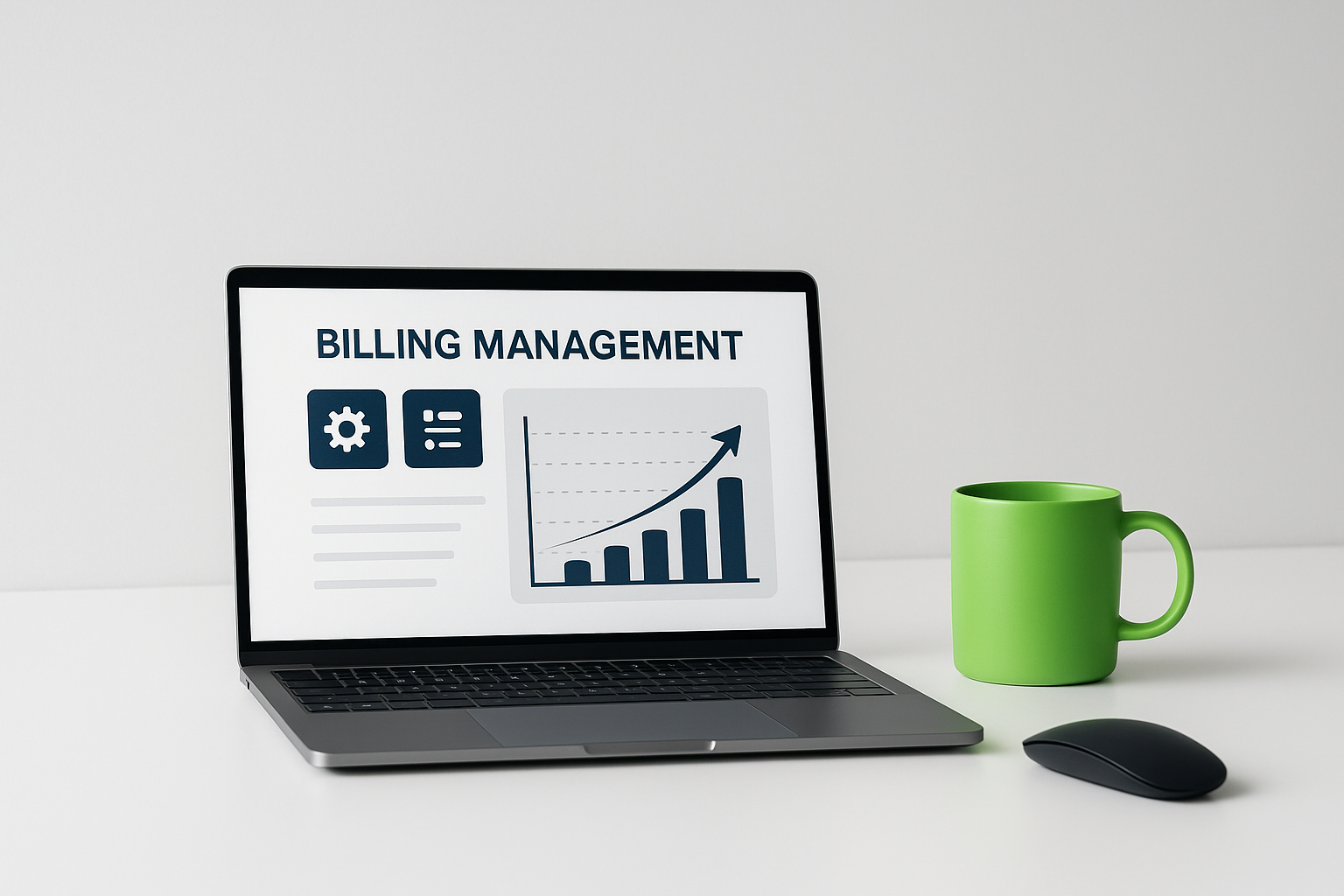

Efficient billing processes are essential for reducing subscriber churn and enhancing business operations. Advanced billing management solutions streamline and automate these processes, leading to improved customer satisfaction. Understanding and integrating these solutions can significantly boost your operational efficiency.
In today’s business environment, operational efficiency is a key driver of success. It involves optimizing various processes to ensure smooth and effective operations. One critical aspect is billing management, which, when handled efficiently, can significantly reduce churn rates. Utilizing best dunning management software plays a pivotal role in maintaining seamless billing operations by automating tasks that might otherwise be prone to human error.
Understanding billing management solutions
Billing management solutions are comprehensive systems designed to handle all aspects of billing for businesses. They include features such as invoice generation, payment tracking, and subscription management. These solutions streamline processes by automating routine tasks, reducing manual errors, and saving time. Key features like customizable invoicing templates and automated reminders ensure that businesses maintain consistency in their billing practices.
The effectiveness of billing management solutions lies in their ability to integrate with existing financial systems, offering real-time updates and insights. This integration allows for better cash flow management and financial forecasting. With features like automatic reconciliation and detailed reporting, businesses can easily monitor financial health and make informed decisions. By leveraging these tools, you can enhance your operational efficiency significantly.
Modern billing management solutions also offer robust analytics capabilities that provide valuable insights into customer payment behaviors and trends. These analytics help businesses identify patterns such as peak payment periods, common payment methods, and potential risk factors for payment failures. By understanding these metrics, companies can proactively adjust their billing strategies to accommodate customer preferences and minimize payment friction. The data-driven approach enables businesses to optimize their pricing models and payment terms, ultimately leading to higher collection rates and improved customer retention.
The role of automation in billing
Automation is transforming how businesses handle their billing processes. By automating tasks such as invoicing and payment reminders, businesses can focus on more strategic areas rather than routine activities. Automation not only speeds up the process but also ensures accuracy, reducing the likelihood of errors that could lead to dissatisfied customers or delayed payments.
Examples of automated processes within billing management include recurring billing for subscription services and automatic application of late fees. These capabilities help maintain a steady revenue stream while ensuring that customers receive timely notifications about their payments. For many companies, this level of automation translates into more predictable cash flows and reduced administrative burdens, allowing them to redirect resources towards growth initiatives.
Beyond basic invoicing, automation in billing systems extends to intelligent payment retry logic and dynamic dunning strategies. When a payment fails, automated systems can implement sophisticated retry schedules based on historical success rates and customer payment patterns. This smart approach increases the likelihood of successful payment recovery without overwhelming customers with excessive retry attempts. Additionally, automated systems can segment customers based on their payment history and adjust communication strategies accordingly, sending personalized messages that are more likely to prompt action while maintaining positive customer relationships.
Benefits of advanced billing solutions
Advanced billing management solutions offer numerous benefits that contribute to improved operational efficiency. One significant advantage is enhanced accuracy in billing processes, which reduces the incidence of errors and disputes with customers. When bills are accurate, customers are more likely to pay promptly, leading to better cash flow for your business.
Another critical benefit of advanced billing solutions is their scalability, which allows businesses to grow without being constrained by their billing infrastructure. As your customer base expands and your product offerings diversify, these systems can easily accommodate increased transaction volumes and more complex billing scenarios. Whether you’re adding new subscription tiers, implementing usage-based pricing, or expanding into international markets with multiple currencies, advanced billing platforms adapt to your evolving needs. This scalability ensures that your billing operations remain efficient regardless of business growth, preventing the need for costly system replacements or major overhauls as your company matures.
Integrating new solutions with existing workflows
Integrating advanced billing management solutions into your existing business workflows requires careful planning but offers significant rewards. Begin by assessing your current systems to identify gaps or areas where automation can enhance efficiency. Work closely with IT professionals to ensure that the integration is seamless and causes minimal disruption to daily operations.
When considering integration, it’s essential to evaluate compatibility with existing software platforms to avoid any technical conflicts. Training staff on using new systems is also crucial; ensuring everyone is comfortable with the changes will help maximize the benefits of the new solution. By taking these steps, you can smoothly transition into using advanced tools that enhance both efficiency and productivity.
A successful integration strategy should also include establishing clear metrics to measure the effectiveness of your new billing management solution. Define key performance indicators such as time-to-invoice, payment collection rates, dispute resolution time, and customer satisfaction scores related to billing interactions. Regular monitoring of these metrics allows you to identify areas where the system is delivering value and areas that may require optimization. Additionally, maintaining open communication channels with your solution provider ensures you receive timely updates, security patches, and access to new features that can further enhance your billing operations over time.
Real-world applications of billing solutions
Many businesses have successfully implemented advanced billing management solutions with notable improvements in their operations. Companies transitioning from manual invoicing to automated systems have reported faster processing times and fewer errors in financial reporting. This change has not only enhanced internal efficiency but also improved customer relations through prompt service delivery.
Such transformations often lead to measurable outcomes like increased revenue retention due to reduced churn rates and enhanced customer loyalty from streamlined interactions. Businesses frequently highlight how these tools allow them to allocate resources more effectively while maintaining robust financial controls. By adopting similar strategies, you too can achieve substantial gains in operational efficiency.