

I still remember the first time I walked through a real factory floor. The hum was steady, almost hypnotic. Machines moving with perfect timing. People working in sync without saying much. It wasn’t just the noise that stayed with me—it was the rhythm. You could feel that everything had a place, a purpose, a sequence.
A few years later, I found myself in a startup workspace. No rhythm there, at least not at first glance. Music in one corner, Slack messages popping off, whiteboards crowded with half-erased ideas. Everyone is talking at once, moving fast, maybe too fast. Yet, somehow, it worked. Different kinds of rhythm—more like jazz. Improvised, messy, unpredictable.
Those two memories have always lived side by side in my head. One about order, one about energy. And lately, I’ve been wondering: maybe the best digital teams could learn a thing or two from the quiet precision of the factory floor. Not to copy it, but to borrow its discipline and fuse it with their agility.
The strange calm of structure
There’s something deeply human about repetition. Not the boring kind, but the kind that keeps chaos from swallowing your day. Factories understand this better than most. They depend on systems—defined inputs, standardized steps, and clear outcomes.
In the digital world, we often treat processes as an enemy of creativity. But that’s rarely true. Without structure, even the most inspired work eventually unravels. Deadlines slip. Bugs pile up. Teams burn out trying to rebuild order that should’ve been there in the first place.
It’s like baking without a recipe—you might get lucky once, but good luck doing it twice.
Factories live by recipes. Each machine, each process, each inspection fits into a bigger sequence. It’s not glamorous, but it’s reliable. That reliability doesn’t just produce parts—it creates trust. You know what to expect, and that allows everyone else to build on top of it.
A digital team can do the same. Define what “done” really means. Decide what a good version of your work looks like. Create routines that don’t feel robotic but keep everyone grounded.
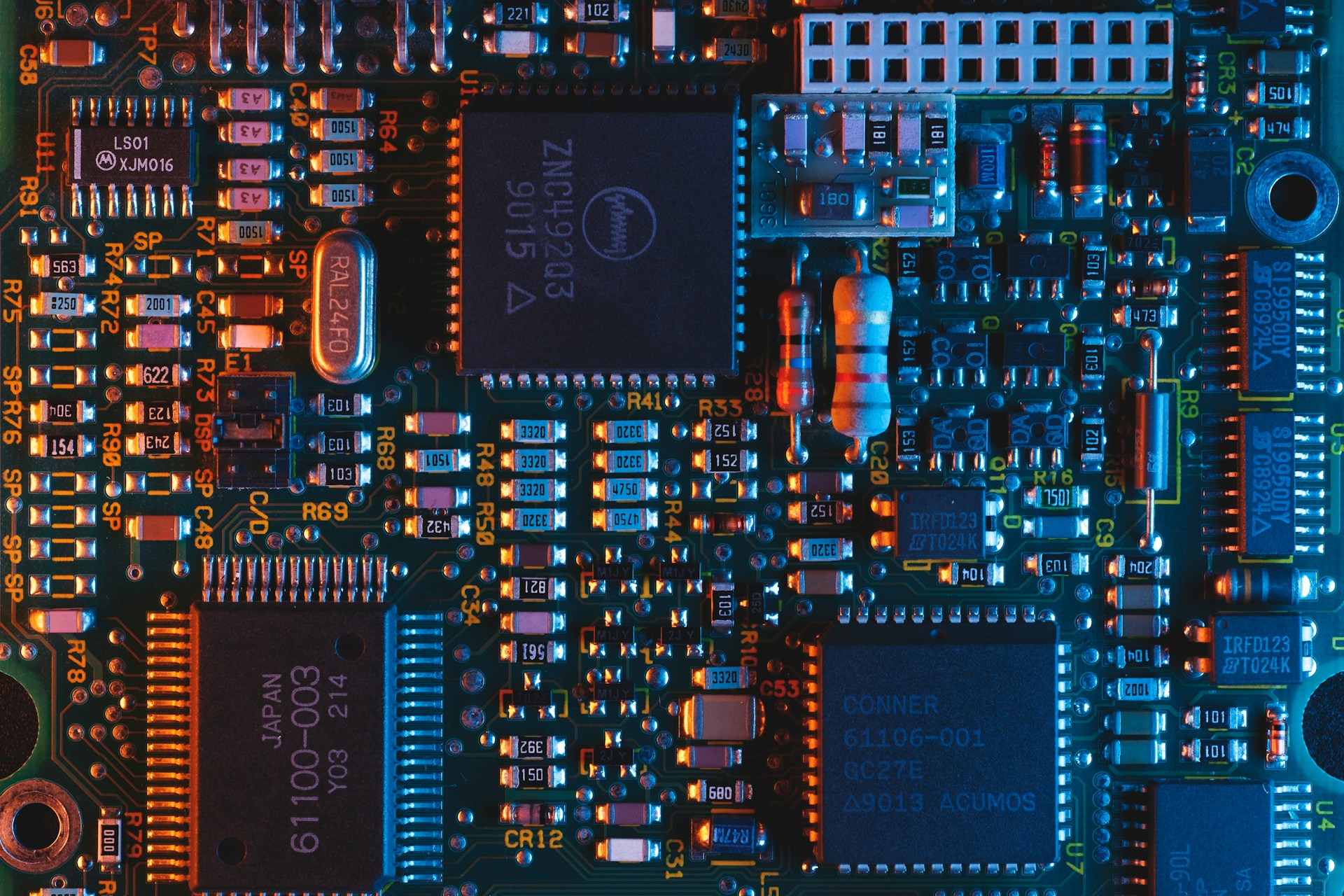
That’s what companies like WellPCB quietly embody. They manage the precision of industrial manufacturing while staying responsive to change—something digital teams often struggle to balance. They ship fast, but not recklessly. They move with speed, but also with rhythm.
When structure meets spontaneity
Of course, structure alone isn’t the answer. Too much of it, and everything feels stale. You need moments where things can fall apart a little—where someone can throw out an unexpected idea or challenge the plan. That’s where agility steps in.
Startups thrive on that energy. Quick turns, fast fixes, bold experiments. But even startups hit a wall when they scale. The same looseness that once felt exciting starts to feel heavy. Everyone’s improvising, but no one’s harmonizing.
So what if the solution isn’t to choose one or the other—but to live somewhere between?
Think of a jazz band again. There’s a structure beneath the chaos: a key, a rhythm, a shared understanding of when to solo and when to listen. Digital teams can borrow that idea. Build light frameworks that guide, not cage. Hold daily check-ins. Document key steps. But leave enough space for improvisation and surprise.
You can tell when a team has found that balance—it’s in their confidence. They don’t panic when something breaks. They know what to fix and how. They can move fast because they’re not tripping over their own feet.
The hidden beauty of routine
Here’s something people rarely admit: routine isn’t boring. It’s freedom disguised as habit. Once the basics are handled automatically, you get more room for creativity.
Writers have outlines. Chefs have prep work. Musicians have scales. None of that kills the art—it anchors it.
Digital teams could treat their workflows the same way. A checklist isn’t a restriction, it’s a starting point. Think of it as scaffolding. Once it’s up, you can climb anywhere.
Factories understand that kind of discipline. Workers don’t rebuild the system every day—they refine it. They find tiny inefficiencies, shave seconds, and improve flow. In software or design, the same mindset applies. Review your process. See what slows you down. Fix the bottleneck, not the people.
That’s how improvement becomes natural—not forced, not frantic. Just steady progress over time.
Why speed still needs stillness
It’s tempting to believe that the fastest team wins. But pure speed is deceptive. It burns bright, then burns out. The teams that last are the ones that know when to move and when to breathe.
Factories pause too. Machines cool down. Lines reset. Quality checks happen between runs. That stillness keeps everything from falling apart.
Digital teams rarely allow for that. We talk about “always on,” “real-time everything,” “constant feedback.” But humans aren’t machines. We need reset points—moments where we look up from the sprint and ask if we’re still heading the right way.
Sometimes the smartest move is a deliberate slowdown. A code freeze. A team offsite. A quiet afternoon spent documenting instead of building. It’s not lost time—it’s alignment time.
Agility without reflection is just a reaction. And the reaction doesn’t scale.
Learning to listen to the work
Here’s a small truth that both factories and digital teams share: the work tells you what it needs, if you’re paying attention.
A factory listens through sensors, feedback loops, defect reports. A digital team listens through data, customer feedback, or even just gut feeling. The signals differ, but the principle’s the same—stay curious about what’s actually happening, not just what you planned.
When something feels off, pause. Don’t rush to blame or patch. Ask questions. Why did this break? What pattern does it reveal? That kind of reflection builds intuition, the quiet intelligence that makes teams resilient.
At WellPCB, for instance, production data constantly informs small process tweaks. It’s not about chasing perfection, but about noticing what the system is saying. Digital teams can take that lesson literally: make feedback loops smaller, tighter, easier. Don’t wait for a quarterly review to course-correct.
The future belongs to the hybrids
The more I think about it, the more I believe the future of work belongs to hybrid thinkers—teams that can hold two ideas at once. Discipline and creativity. Routine and curiosity.
Factories aren’t relics of the past; they’re blueprints for sustainable focus. Startups aren’t chaos machines; they’re laboratories of adaptability. When those two perspectives meet, something rare happens—efficiency starts to feel human.
You can see this everywhere now. In remote teams creating digital “assembly lines” for code. In marketing groups using production-style boards to track creative work. In small hardware startups blending physical manufacturing with fast digital prototyping. It’s not a trend; it’s an evolution.
The challenge isn’t how to copy the factory model, but how to translate it. How do you make structure feel like support instead of control? How do you make the process feel like art?
That translation starts with empathy—for your team, your tools, your time.
A quiet takeaway
If I had to sum it all up, I’d say this: factories remind us that rhythm matters. Startups remind us that rhythm can change.
When you blend the two, you get a working culture that feels sustainable, even humane. You get teams that move quickly but don’t lose themselves in the rush. You get the sense that progress isn’t just speed—it’s clarity.
So maybe tomorrow, before your next sprint or meeting, think like a factory for a moment. Ask yourself: what’s the system underneath this chaos? And then, when the system feels too tight, think like a startup—break something gently and see what happens.
That’s the dance. Order and change, structure and spark. Somewhere between them lies the real future of digital work.