
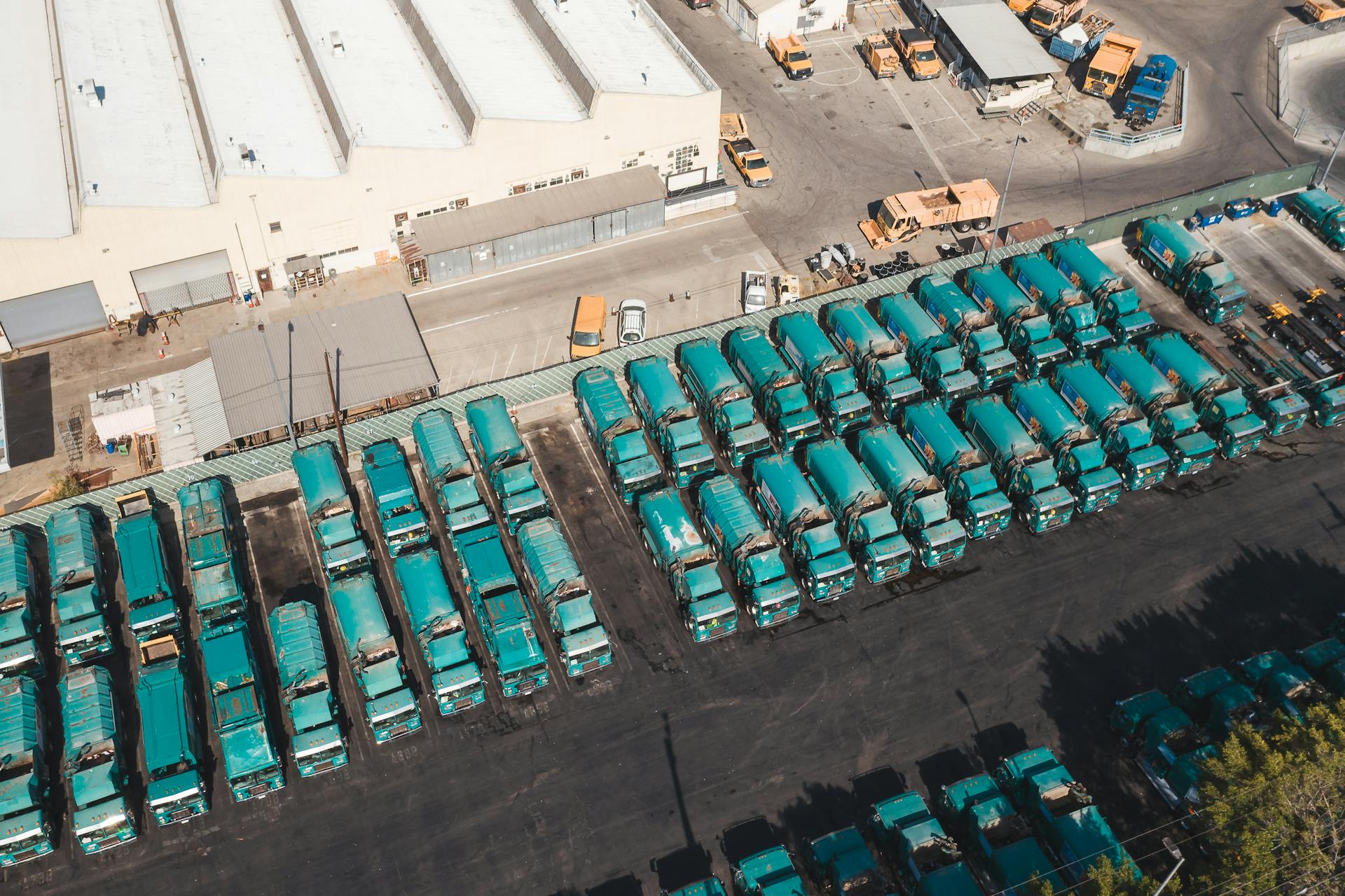

Effective fleet management is an important component for any organization that relies on vehicles to provide services or transport goods. Streamlining workflow in this area boosts efficiency and leads to cost savings and improved customer satisfaction. By embracing several practical hacks, fleet managers can optimize their daily tasks, reduce operational stress, and enhance performance. This article discusses various strategies that can be employed to simplify fleet management operations, taking into account technology, processes, and best practices.
Implement Advanced Vehicle Tracking Technologies
One of the most significant advancements in fleet management has been the advent of vehicle tracking technologies. These tools provide real-time information about vehicle locations, driving patterns, and fuel usage, leading to more informed decision-making. Utilizing GPS fleet tracking systems can drastically enhance visibility and allow for efficient routing, which saves both time and resources. Organizations that implement such systems often report a notable reduction in unauthorized vehicle usage, as the tracking capability holds drivers accountable.
Telematics systems can provide data on vehicle health, such as engine performance and maintenance needs. This proactive approach prevents unexpected breakdowns and extends the lifespan of the vehicles. By monitoring these metrics, fleet managers can establish maintenance schedules that avoid costly repairs and ensure vehicles remain in top working condition.
Automate Routine Administrative Tasks
Administrative tasks can consume a significant amount of time for fleet managers, impacting their ability to focus on strategic operations. Automating routine tasks, such as scheduling maintenance or processing payroll, can deliver significant efficiency gains. Software solutions exist that can handle scheduling based on availability and work hours, allowing managers to devote more time to critical responsibilities.
Payroll automation can streamline the compensation process for drivers, minimizing errors and ensuring timely payments. These systems often integrate with existing timekeeping processes, making it easier to track hours worked without excessive manual input. This enhances accuracy and boosts morale among employees who receive consistent and accurate paychecks.
Leverage Data Analytics for Improved Decision-Making
Data is a powerful tool in modern fleet management. Analyzing metrics such as fuel consumption, travel time, and vehicle utilization can shed light on operational inefficiencies. By utilizing fleet management software that offers robust data analytics, managers can identify trends and insights that inform better decisions. Making data-driven adjustments can lead to increased performance and reduced operational costs.
If a specific route consistently incurs high fuel costs, this information allows managers to consider alternative routes or transportation strategies. Predictive analytics can help foresee issues like rising maintenance expenses before they escalate, facilitating preventative action. This approach optimizes cost management and improves customer service delivery.
Establish Clear Communication Channels
Effective communication is vital for fleet management success. Establishing clear channels for communication between drivers, fleet managers, and other stakeholders can significantly streamline workflow. Utilizing mobile communication tools, such as dedicated apps or messaging systems, ensures that information flows seamlessly among team members. This immediate access to information means that drivers can receive real-time instructions and updates regarding route changes or emergencies.
Consistent communication fosters a culture of accountability among team members. When everyone knows their responsibilities and expected performance, it leads to enhanced teamwork and productivity. Regular check-ins or briefings can help maintain a focus on safety and operational goals, ensuring that all parties are aligned.
Optimize Fleet Routes
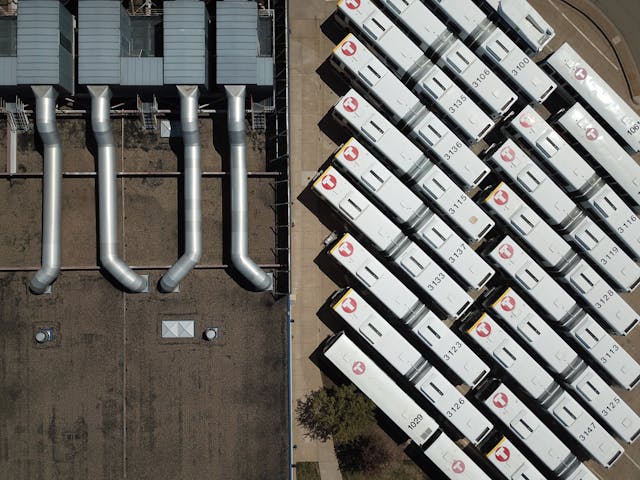
Route optimization is another critical aspect of fleet management that can yield immense benefits. By analyzing traffic patterns and vehicle availability, managers can devise the most efficient routes for deliveries or service calls. This saves on fuel costs and ensures timely service. Utilizing route planning software that takes real-time data into account can further enhance this process. Such systems can adjust routes dynamically based on traffic conditions, minimizing delays.
Evaluating routes regularly and making adjustments prompted by past performance can provide significant long-term savings. A streamlined routing system minimizes driver frustration and increases job satisfaction, creating a happier workforce that is more likely to stay in the company.
By integrating technology, automation, data insights, and strong communication practices, fleet managers can dramatically simplify their daily operations. These workflow hacks reduce costs and downtime and create a more efficient and accountable system. When implemented consistently, they pave the way for smoother processes, better performance, and long-term success in fleet management.

