

In today’s fast-paced business world, staying ahead means constantly looking for ways to improve. This is where the concept of process improvement comes into play. It’s a systematic approach aimed at enhancing the efficiency and effectiveness of business processes. But how do you pinpoint where changes are needed? This article delves into “how to identify areas for process improvement,” ensuring your efforts lead to meaningful enhancements and ultimately, heightened customer satisfaction.
Article Outline
Methods for Identifying Areas for Process Improvement
Identifying the right areas for improvement is crucial for any organization aiming to enhance its operations and customer satisfaction. In this section, we’ll explore practical methods to pinpoint these vital areas, setting the stage for impactful changes.
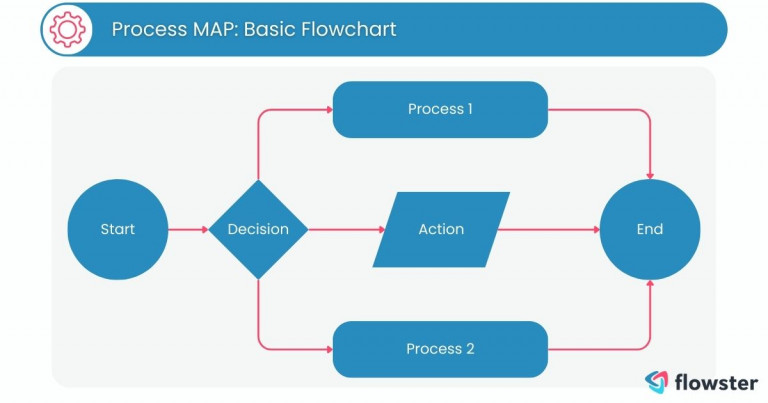
Mapping the Current Process
Visualizing your business’s current processes is a critical first step in identifying improvement opportunities. Process mapping allows you to see the entire process from a bird’s-eye view, highlighting inefficiencies that might not be evident from within. Techniques like flowcharts, swimlane diagrams, and value stream mapping can offer valuable insights, laying a solid foundation for your process improvement plan.
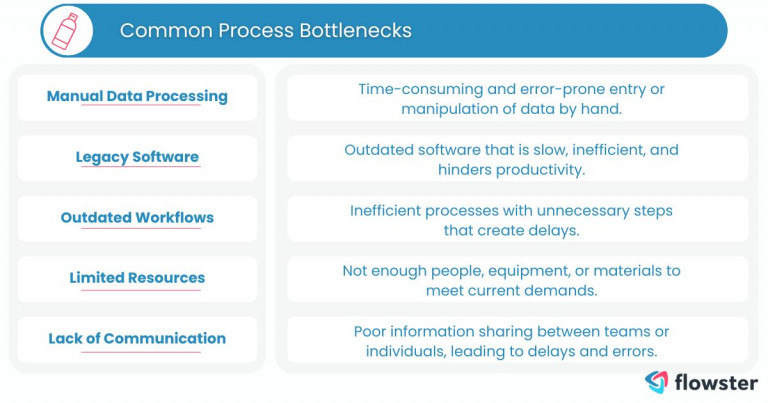
Looking for Bottlenecks and Pain Points
Bottlenecks and pain points are areas where processes slow down, causing delays and reducing efficiency. Identifying these issues often requires a detailed examination of each step in your business process management. Common bottlenecks might include manual data entry points, approval stages, or any area where tasks accumulate while waiting for the next step.
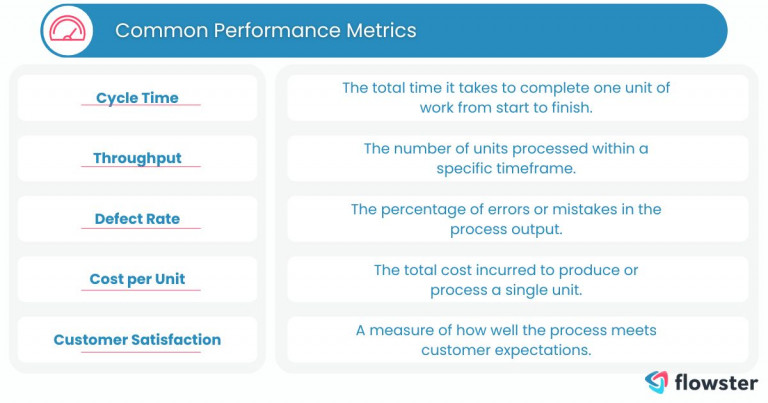
Analyzing Performance Metrics
To effectively implement process improvements, you must first understand the metrics that define success. Key performance indicators (KPIs) such as cycle time, error rates, and customer satisfaction scores can highlight areas lagging behind. These metrics serve as a quantifiable measure of your existing business processes, guiding your process improvement efforts.
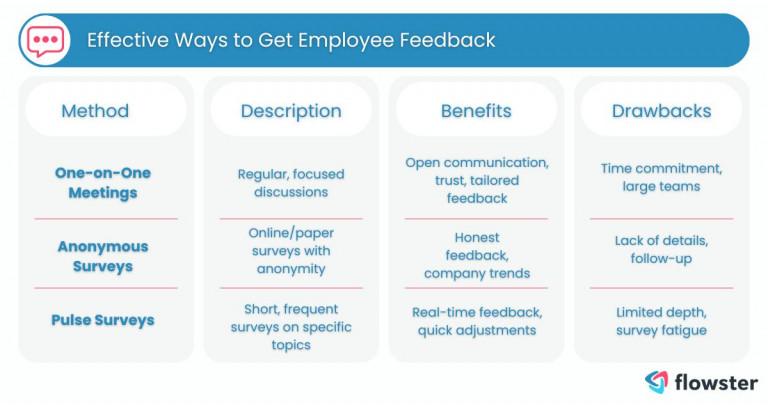
Seeking Feedback
Feedback from those involved in and affected by your processes is invaluable. Engaging with employees, customers, and stakeholders through surveys, interviews, and discussions can uncover insights into how your processes work in reality. This feedback is crucial for identifying process improvement opportunities that may not be apparent through data analysis alone.
Tips for Selecting Areas for Process Improvement
With a clear understanding of where improvements can be made, the next step is to prioritize. Focus on changes that offer the most significant impact on customer satisfaction and align with your overall business goals. Utilize common process improvement methodologies, like Total Quality Management, to guide your efforts in optimizing existing processes.
Consider the Potential Impact of Improvement
Evaluating the potential impact of your process improvement efforts is essential. This evaluation involves analyzing how modifications can boost efficiency, cut down on expenses, or elevate customer satisfaction levels. Such strategic focus ensures that your process improvement plan is not only effective but also aligns with the overarching aim of continuous improvement.
Align Improvements with Business Goals
Prioritizing process improvement opportunities that resonate with your business objectives is crucial. This means selecting projects that bolster your existing business processes in a way that propels you towards your strategic targets. Ensuring that every process improvement project contributes directly to your organization’s success is the cornerstone of effective business process management.
Transform Your Business with Flowster's AI-Driven Automation
Conclusion: Start Reviewing Areas for Process Improvement
Identifying areas for process improvement is an essential step in fostering continuous improvement within your organization. By mapping current processes, looking for bottlenecks, analyzing metrics, and seeking feedback, you can uncover significant opportunities to enhance efficiency.
Remember, the goal is not just to change but to optimize and align improvements with your business’s core objectives. So, take the first step today: review your process improvement project plans and embark on a journey toward streamlined operations and improved customer satisfaction.
Having trouble updating SOPs?
Flowster makes it simple to create standard operating procedures with artificial intelligence, or you can browse our pre-built SOP templates in the Flowster Marketplace. These templates are intended to meet a wide range of business needs and are easily customizable to fit your specific needs.
Do you need assistance? Use our “Done for You” services to have our quality and improvement experts create customized workflows for you. Our team can assist you in developing SOPs from scratch, ensuring that they are completely aligned with your business processes and objectives.