


AI fashion models are moving from sci‑fi to storefront—fast. From ecommerce product pages to social ads, more brands are testing AI-generated models to cut costs, speed up content production, and scale visuals.
But there’s a critical question every marketer and founder is now asking:
Will AI fashion models hurt brand credibility—or can they actually support trust and authenticity when used correctly?
What Are AI Fashion Models?
AI fashion models are digitally generated humans created with artificial intelligence. They can:
- Wear your products in highly realistic visuals
- Represent different body types, ages, and ethnicities
- Be placed in any environment or lighting
- Be generated in large volumes, on demand
Unlike traditional 3D models, today’s AI visuals are often photo-realistic. On a product page or in an ad, many shoppers can’t immediately tell they’re looking at an AI model.
That realism is powerful—but it’s also where brand credibility questions begin.
Why Brands Are Turning to AI Fashion Models
Before looking at risks, it’s worth asking: why are brands adopting AI models at all?
1. Speed and Scale
Online fashion retailers constantly update:
- New drops and capsule collections
- Seasonal colors and patterns
- Sale and campaign assets
AI models allow you to create visuals for dozens or hundreds of SKUs without organizing a full photoshoot every time.
2. Lower Production Costs
Photoshoots are expensive:
- Model fees
- Photographer, stylist, makeup, studio
- Post-production and reshoots
AI can significantly cut per-image cost, especially for large catalogs and frequent product updates.
3. Flexible Representation
AI makes it easier to:
- Show diverse body types, ages, and skin tones
- Test different looks or styling approaches
- Adapt visuals for multiple markets quickly
Used thoughtfully, this can support inclusivity and accessibility.
How AI Fashion Models Can Hurt Brand Credibility
AI is not neutral in the eyes of consumers. Mishandled, it can damage trust. The main risks include:
1. Perceived Inauthenticity
If shoppers discover that every “person” on your site is AI-generated and you never mentioned it, they may feel misled.
In fashion—where fit, fabric, and real-life appearance matter—any sense of fakeness can hit conversion and long-term loyalty.
2. Unrealistic Body Standards
AI can easily produce:
- Flawless skin
- Perfect proportions
- Impossible poses and silhouettes
In a market where many shoppers expect body-positive and real-life representation, this can hurt your credibility with key demographics.
3. Misleading Product Representation
If AI models:
- Smooth out fabric too perfectly
- Hide how clothes bunch, stretch, or wrinkle
- Show a fit that doesn’t match real-world sizing
Customers may feel lied to when the item arrives.
Result: higher returns, lower trust, and negative reviews that are hard to recover from.
4. Lack of Transparency
The biggest issue is usually not the technology itself, but how secretly it is used.
If you:
- Present AI models as real customers without saying so
- Pair AI images with fake names or made-up “reviews”
- Use AI to exaggerate product quality or fit
You’re not just using AI—you’re undermining your brand’s integrity.
How AI Fashion Models Can Support Credibility (When Used Well)
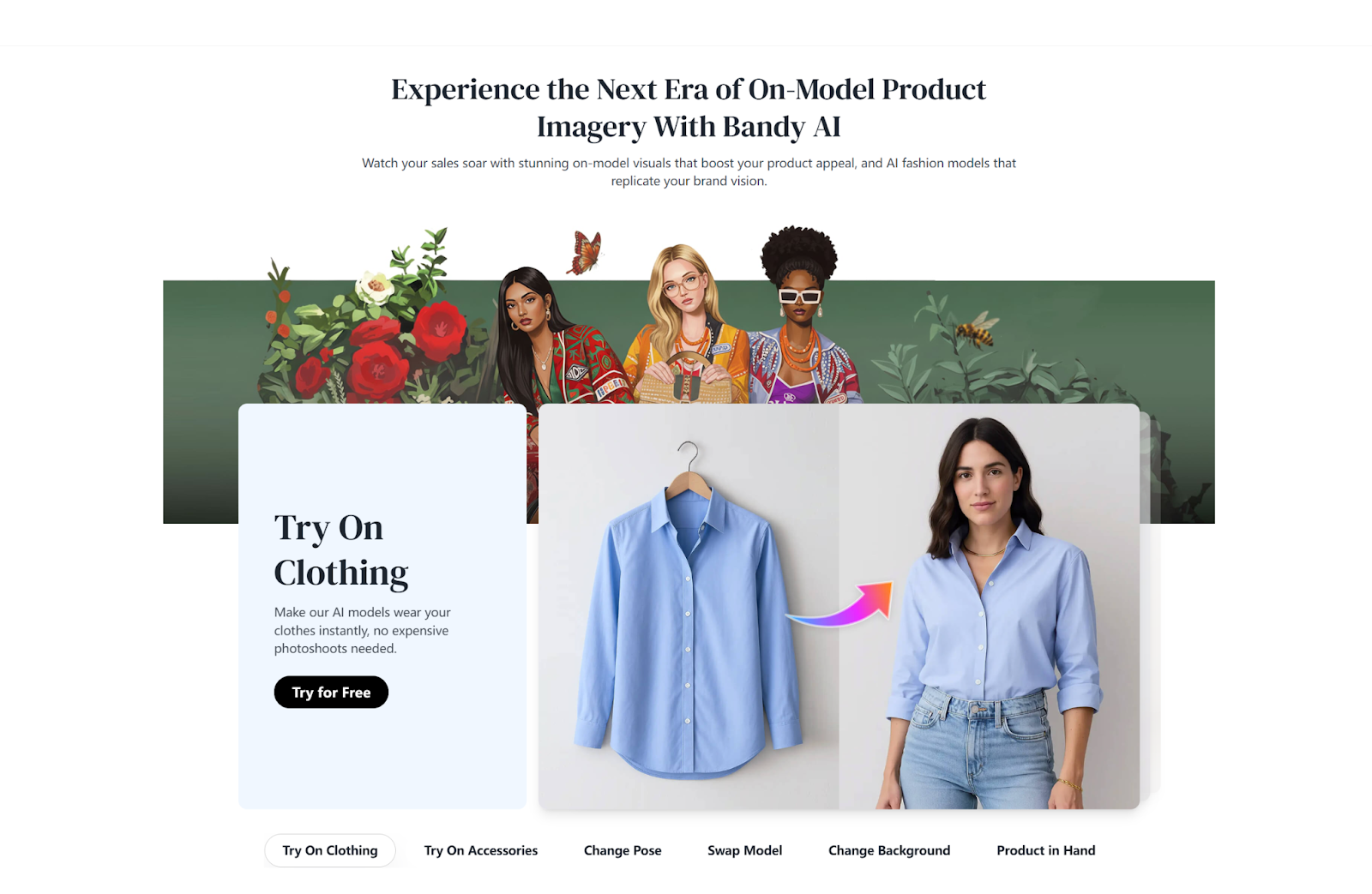
The story doesn’t end with “AI is bad.” In fact, AI models can help credibility when used with clear principles.
1. Clear Positioning and Transparency
You don’t need a flashing THIS IS AI label on every image, but you should have transparent practices, for example:
- Clarify on your site that some images are AI-generated
- Avoid implying AI models are real customers or ambassadors
- Make sure any testimonials or reviews are from real people
When consumers feel you’re honest, they’re more forgiving of the tools you use.
2. Use AI for Scale, Not for Deception
A healthy approach is:
- Use AI models mainly for:
- Catalog expansion
- Quick updates
- Concept testing
- Use real models and customers for:
- Campaigns and storytelling
- Key product launches
- Social proof and UGC
You’re not replacing reality; you’re extending it where pure photography is too slow or expensive.
3. Commit to Realistic Bodies and Fits
Set internal guidelines for AI usage:
- Represent varied body types, not just one idealized shape
- Avoid extreme editing that makes garments behave unrealistically
- Cross-check AI visuals with real samples to ensure fit and silhouette are honest
Done right, AI can help you show more diversity than you could afford with traditional shoots alone—which boosts credibility.
Best Practices for Protecting Brand Credibility with AI Models
If you’re considering or already using AI fashion models, build a simple credibility framework:
1. Define Where AI Is Allowed
For example:
- YES: catalog images, color variations, some lookbook pages
- MAYBE: ads and social content, depending on messaging
- NO: fake customer photos, fabricated before/after results
2. Mix AI With Real People
Maintain a healthy content mix:
- Real models or customers for:
- Home page hero content
- Social storytelling
- Reviews and community features
- AI models for:
- Filling gaps in the catalog
- Seasonal refreshes
- Rapid testing of creative ideas
This signals that you still value real human experience.
3. Monitor Customer Feedback
Watch:
- Comments on social media about your visuals
- Reviews that mention “doesn’t look like the photos”
- Changes in return rates after introducing AI content
If there’s pushback, adjust. Credibility isn’t a one-time decision—it’s an ongoing conversation with your customers.
AI Is a Tool, Credibility Is a Choice
AI fashion models won’t automatically hurt your brand credibility—but careless use will.
Credibility doesn’t depend on whether your images are generated or photographed. It depends on whether your visuals honestly represent your products and values. Brands that remember this can embrace AI confidently, without sacrificing trust.