
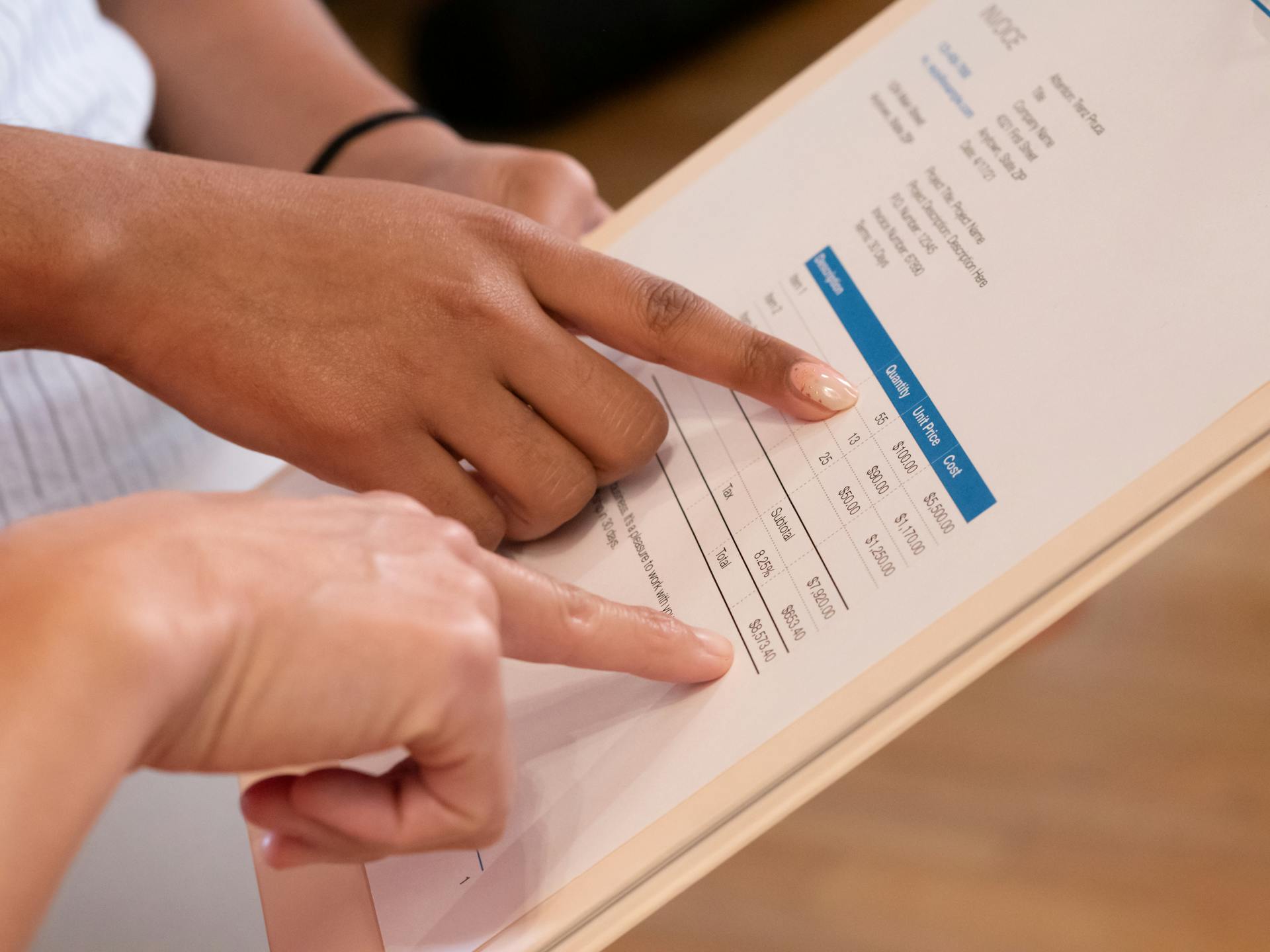

If you’ve worked for a company that does billing or receives payments, you can probably relate to the fact that most people don’t give invoices a second thought. These transactional documents flow in and out, and as long as bills get paid, nobody really stops to question them. But that’s exactly why invoice fraud works. It hides in plain sight, tucked neatly between everyday transactions, looking like the real thing.
Even as a small business owner or a freelancer, as long as what you do involves money, you need to know about this growing problem, which contributes about 5% to the loss of revenue for businesses each year. Why? Because once your money is gone, it’s usually gone for good. So let’s break it down—simple and straight. No fluff, no technical jargon. Just what you need to know how to protect yourself.
What Is Invoice Fraud Anyway?
Invoice fraud is when someone tricks a business into paying a fake bill. This could be from an outsider pretending to be a legit vendor or someone inside the business pulling the strings, quietly billing for things that never happened.
It could be a fake invoice from a made-up company or a real invoice that has been changed to pad the numbers. In some cases, it’s a one-time hit, and other times, a long-term setup. Either way, someone is falsifying invoices to steal money they didn’t earn.
Sounds dubious, right? It is. And it happens way more often than people think.
How They Pull It Off And Why Invoice Fraud Works
Invoice fraud isn’t always high-tech. In fact, you’d be surprised to learn that nine out of ten times, it takes on the old-school approach. Some common types of this fraud are:
Fake Invoices from Fake Vendors
This occurs when someone sends an invoice from a business or for a project that doesn’t actually exist. On the surface, the paperwork looks official and often sounds urgent, and if nobody double-checks, it gets paid.
Insider Fraud
Imagine having a dishonest employee who knows how your system works; this person may quietly slip in fake charges or set up a shell company and start billing your business. And because they know the process, they also know how to avoid raising suspicion.
Email Impersonation (aka BEC)
This type of invoice fraud, which the corporate world also calls Business Email Compromise (BEC), involves a scammer pretending to be a company exec, manager, or trusted vendor. They send a quick, urgent email asking for payment on an invoice or asking to “update” their payment details.
Since the message is from the actual sender—because they’ve gained unauthorized access to the person’s account—you wouldn’t question it, but rather approve it. From then on, any money you send goes into the wrong account.
Duplicate Invoicing
A legitimate invoice could be submitted more than once, either accidentally or intentionally, to receive multiple payments. When that happens, it’s considered duplicate invoicing, a type of invoice fraud.
Why You Should Care About Fake Invoices
Invoice fraud doesn’t always show up with flashing red lights. It blends in, riding the wave of routine. That’s what makes it dangerous.
One missed detail, one rushed approval, and you could be out of thousands of dollars. And if you’re a small business owner, you might not bounce back so easily. You could be looking at layoffs, lost clients, or worse.
And let’s not forget trust. If a customer hears you’ve been scammed, it doesn’t exactly help your reputation.
Red Flags to Look Out for
Here’s what should make you pause and examine closely if you think you might be dealing with invoice fraud:
· An invoice from a vendor you don’t recognize
· Weird changes in how a regular vendor communicates with you
· Vague service descriptions, like “consulting services” with no details
· Slight name or email spelling differences, for example, johndoe@company.com as against Johndoo@company.com
· Rush requests that skip your normal approval process
· A vendor suddenly asking to change their bank info
· Staff who get defensive or pushy about fast-tracking payments
One red flag alone from the list doesn’t mean you’re being scammed. However, a few popping up together may be your cue to slow things down and scrutinize the entire process.
Ways to Protect Yourself From Dubious Invoices
There’s no need to get paranoid about the people you hire or do business with; simply build in a few smart habits as outlined below.
Always Confirm Bank Changes
If a vendor emails you asking to update payment details, don’t just hit reply. Call them on the number you already have on file and confirm their request.
Use Vendor Verification
Before paying a new vendor, check them out. Look up their business registration and simply Google their name. If anything smells fishy, pause.
Don’t Let One Person Handle Everything
Split up who handles invoices, approvals, and payments so that not only one person has the keys to the whole system.
Educate Your Team
Make sure your finance or admin team knows how invoice scams work. A five-minute huddle would suffice. And with that, you could prevent a $50,000 mistake.
Spot-Check Invoices
Do random checks. Look for duplicate charges, weird vendor names, or unusual payment patterns.
Encourage Speaking Up
If something doesn’t feel right about any invoice or transaction, your team should feel safe raising a hand.
Wrapping Up
Invoice fraud works best when people are too busy, too trusting, or just aren’t attentive enough. But now you know better. You don’t need fancy tools or long audits to stay safe. Just be careful and curious.
So, next time you get an invoice, take a breath. Look twice. Make the call. And if anything feels off, don’t ignore it. Trust your gut and your process, because in the end, you are all about protecting your name and your business.

