
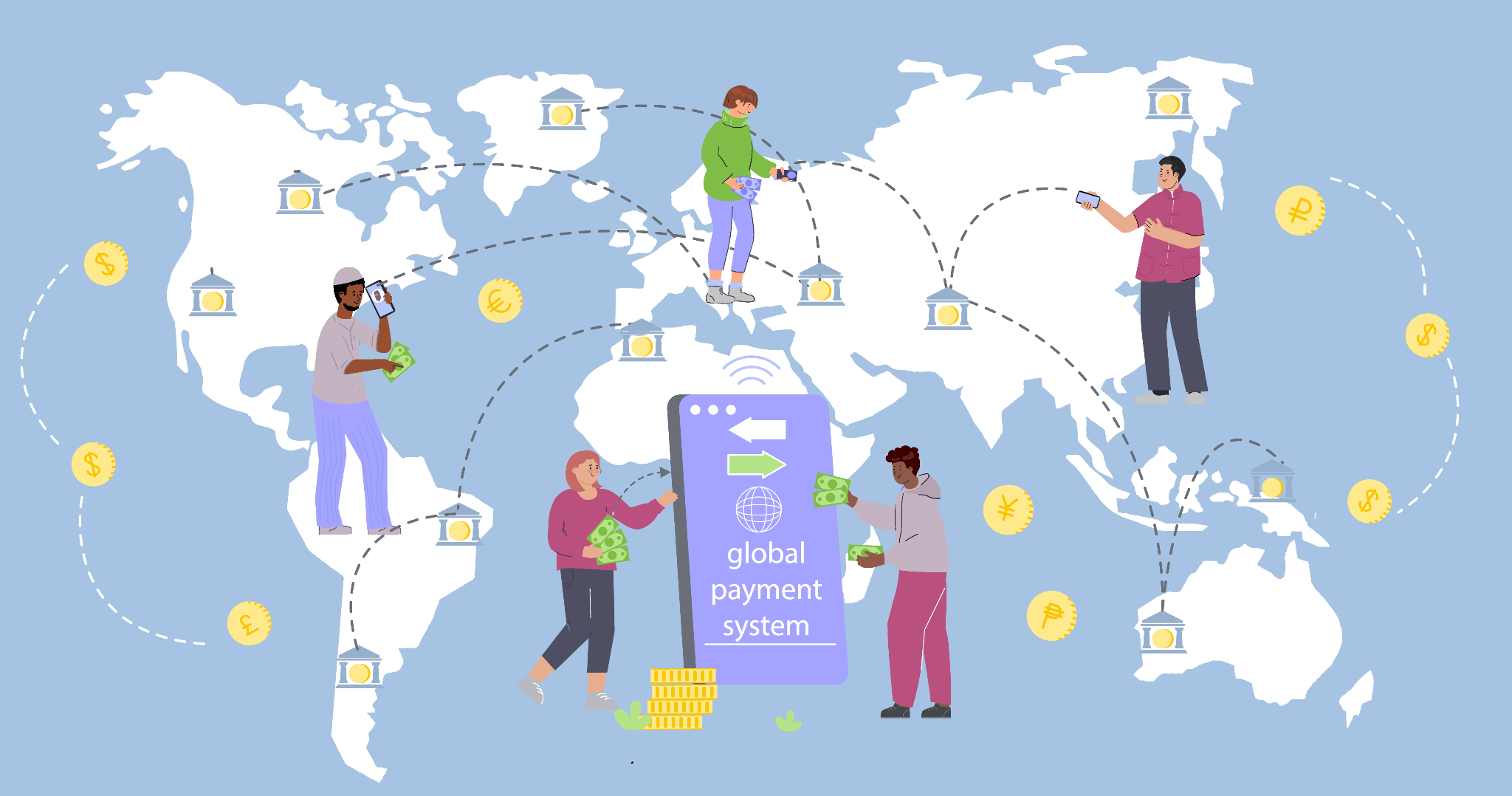

These 10 platforms stood out for corridor coverage, foreign exchange, or FX, transparency, compliance, and integration depth.
The best choice depends on whether you need a global payout network, a multi-currency business account, or payouts inside a broader payment stack.
Key Takeaways
The field breaks into three clear groups: global networks, multi-currency accounts, and payout stacks tied to payment processors.

- Thunes is the best overall choice for B2B payouts at scale because it combines broad corridor reach with bank, card, and wallet endpoints through one API.
- Wise Business is the best fit for SMBs that want local account details and transparent FX pricing without a long setup.
- Airwallex is the top API-first business account for finance and engineering teams that want developer-friendly global payments.
- Payoneer is strongest for marketplace and freelancer mass payouts thanks to mature payout workflows and a polished recipient experience.
- Stripe and Adyen fit platforms already using them for acquiring and wanting payouts in the same operating stack.
- Nium, Rapyd, Revolut Business, and HSBC Global Wallet each fill narrower needs around enterprise reach, local acceptance, simple SMB banking, and bank-led treasury.
- If you want only three names to test first, start with Thunes, Wise Business, and Airwallex.
How I Tested These Cross-Border Payment Platforms
The winners handled the same real-world checks: reach, speed, cost, compliance, and integration.
I mapped payout and collection corridors, currencies, and endpoints. I also checked payment rails, the networks money moves across, including local bank rails, cards, wallets, and SWIFT fallback.
I reviewed published delivery times, tracking tools, and status alerts. The Financial Stability Board set 2021 targets for better speed, cost, and transparency by 2027, so I used those goals as a benchmark.
I compared FX markups, fixed transfer fees, and cross-border surcharges. Public fee tables scored better than opaque sales-led quotes.
I reviewed know your business and know your customer checks, sanctions screening, API docs, and webhooks, which are automatic updates sent to your systems. I also checked support for NetSuite, QuickBooks, and Xero.
What Is a Cross-Border Payment?
A cross-border payment is simple in concept, but the route money takes changes cost and delivery time.

It happens when the payer and payee sit in different countries. Funds can move through correspondent banks on SWIFT, local payment systems, card networks, or wallet rails.
SWIFT gpi, the network’s tracking program, is used by more than 4,450 financial institutions and processes over $530 billion daily. It has improved traceability, but the FSB’s 2025 progress report says average costs still need to fall.
Types of Cross-Border Payment Platforms
The right platform type depends more on your operating model than on headline pricing.

Global Payment Networks
These API-first networks abstract local rails, compliance, and treasury across countries. They fit marketplaces, payroll platforms, and enterprises paying out at scale.
Multi-Currency Business Accounts
These accounts let you receive, hold, convert, and pay in several currencies with local account details. They work well for SMB exporters, importers, and agencies.
PSPs and Platform Payouts
Payment service providers combine acquiring with seller or contractor payouts in one stack. They suit SaaS platforms and marketplaces already using the same processor for checkout.
Bank-Led Solutions
These tools sit inside corporate banking portals and tie closely to treasury workflows. They fit teams that want global payments inside an existing bank relationship.
Thunes
Thunes is the strongest option for high-volume B2B payouts across a wide corridor and endpoint coverage.
Compared with account-led tools that work best for smaller firms and processor-led stacks that mainly suit existing customers, this option is better when you need one network that can handle wider corridor coverage, local compliance, and multiple payout endpoints without stitching together separate providers. For teams that want a direct way to evaluate that model, Thunes lets you plug in once to orchestrate fast, compliant cross-border payouts to bank accounts, wallets, and cards across key corridors.
Pros
- One API for bank accounts, cards, and mobile or stablecoin wallets
- Real-time local-rail payouts in 140 countries through the Direct Global Network
Cons
- Smaller firms may face longer due diligence
- Custom pricing takes volume modeling to compare
Why Thunes Stands Out
Thunes leads because it gives platforms a compliant network for pay-ins and payouts. That reduces vendor sprawl when you need to pay sellers, contractors, or business partners across several regions.
Thunes Pricing
Pricing is custom and usually depends on corridor mix, FX spread, and per-transaction fees.
Wise Business
Wise Business is the best choice for SMBs that want simple FX and local receiving details.
Pros
- Local account details in several currencies with pricing tied to the mid-market rate
- Clear fee disclosure and an easy self-serve setup
Cons
- Limited enterprise payout tooling compared with network providers
Why Wise Business Stands Out
Wise is easy to adopt and easy to budget. Conversion starts around 0.57%, depending on currency, and local details such as IBANs and routing numbers help you collect funds without heavy engineering.
Wise Business Pricing
Pricing is public, so finance teams can model costs before talking to sales.
Airwallex
Airwallex is the top API-first business account for teams that want developer-friendly global payments.
Pros
- Local account details in 20+ currencies with receiving support from 70+ countries
- Strong APIs for collections, treasury, and payouts
Cons
- Region-specific availability means you must confirm corridor support
Why Airwallex Stands Out
Airwallex blends multi-currency accounts with modern payout tools. It fits teams that want bank-like functions without relying on a traditional bank stack.
Airwallex Pricing
Enterprise pricing is usually custom, with published fees for selected products and regions.
Payoneer
Payoneer is a strong fit for marketplace and freelancer mass payouts.
Pros
- Mature mass-payout workflows for large recipient groups
- Payouts to Payoneer accounts can arrive within minutes
Cons
- Bank transfers can take up to three business days in certain corridors
Why Payoneer Stands Out
Payoneer works best when recipient experience matters as much as delivery speed. Beneficiary onboarding is polished, which helps two-sided platforms reduce support load.
Payoneer Pricing
Enterprise payout pricing is custom, while recipient withdrawal fees vary by corridor.
Stripe
Stripe makes the most sense if you already use Stripe for payments and want payouts in the same stack.
Pros
- Global Payouts to 50+ countries
- Tight fit with Connect, Treasury, and cards
Cons
- Country coverage and compliance models vary by market
Why Stripe Stands Out
Stripe keeps payout operations close to checkout and platform funds flow. Public signals on pricing, including cross-border fees starting at +0.25% and FX at +0.5%, make early cost modeling easier.
Stripe Pricing
Volume discounts exist, but the base payout and FX fees are publicly documented.
Adyen
Adyen is best for large platforms that want acquiring, settlement, and payouts under one enterprise system.
Pros
- Unified platform with same-day payout options in eligible cases
- API-based transfers to IBAN and BIC accounts
Cons
- Enterprise onboarding and pricing require sales discussions
Why Adyen Stands Out
Adyen stands out when payment acceptance and disbursement must run under one control layer. That can simplify reconciliation for large marketplace operations.
Adyen Pricing
Expect negotiated payout fees alongside interchange++ acquiring costs.
Rapyd
Rapyd fits companies that need broad local payment method coverage alongside global payouts.
Pros
- Support for 900+ local payment methods
- One API for acceptance and disbursement
Cons
- Corridor fees and timing need close validation
Why Rapyd Stands Out
Rapyd is useful when local payment preferences differ sharply by market. It helps teams avoid stitching together several regional providers.
Rapyd Pricing
Pricing is custom and varies by payment method, corridor, and payout rail.
Nium
Nium is a strong enterprise pick when reach and real-time corridor coverage matter most.
Pros
- Payouts to 190+ countries
- 100+ real-time corridors plus multi-currency accounts
Cons
- Onboarding and pre-funding requirements can slow rollout
Why Nium Stands Out
Nium is especially attractive for enterprises with complex payout maps. It covers bank accounts, cards, and wallets across a very wide geography.
Nium Pricing
Pricing is custom, with fees driven by payout volume, FX, and funding terms.
Revolut Business
Revolut Business suits startups and smaller teams that want quick setup and everyday international payments.
Pros
- Multi-currency accounts with local details in key currencies
- Simple cards, transfers, and plan-based FX features
Cons
- Allowances vary by plan, and SWIFT transfers can add intermediary fees
Why Revolut Business Stands Out
Revolut is easy to adopt for firms that do not need enterprise payout orchestration. It is better for operating cash and supplier payments than for large-scale marketplace disbursements.
Revolut Business Pricing
Costs depend on the monthly plan, usage allowances, and out-of-hours FX.
HSBC Global Wallet
HSBC Global Wallet is the best bank-led option for teams that want cross-border payments inside corporate banking.

Pros
- Multi-currency wallet tied to HSBC cash management
- Local-like payments in the UK, Canada, Hong Kong, Singapore, Australia, Malaysia, and the Eurozone
Cons
- Corridor coverage is narrower than specialist networks
Why HSBC Global Wallet Stands Out
This option works well when treasury control matters more than API flexibility. It also gives large teams a familiar governance model across HSBC’s 50+ market network.
HSBC Global Wallet Pricing
Fees and FX depend on the banking relationship and account terms.
Frequently Asked Questions
Most buying decisions come down to four questions: best fit, cost, speed, and selection criteria.
What Is the Best Cross-Border Payment Platform?
Thunes is the best overall pick for B2B payouts and collections at scale because it combines bank, card, and wallet endpoints in one network. If you want a short list of top options, start with Thunes, Wise Business, and Airwallex.
How Much Do Cross-Border B2B Payments Cost?
Costs usually combine a fixed payout fee and an FX markup. Stripe lists cross-border fees starting at +0.25% and FX at +0.5%, while Wise lists conversion starting around 0.57%, but your real cost depends on corridor, rail, and volume.
Which Is Faster, SWIFT or Local Rails?
Local real-time rails or wallet payouts usually win on speed when they are available. SWIFT gpi has improved bank transfer tracking and timing, but you still need to test your priority corridors before signing.
How Should I Choose a Platform?
Start with your top corridors, payout endpoints, and compliance needs. Then run test payments, compare landed cost and delivery time, and check reconciliation, webhooks, and finance-system fit before go-live.

