


Most ecommerce founders spend their energy on marketing funnels and product photography. Fulfillment rarely gets the same attention, yet it’s the workflow most likely to quietly erode customer trust the moment nobody’s watching it closely. A late shipment or a mispacked order doesn’t just cost one sale; it costs a reorder, a review, and sometimes the customer entirely.
This piece covers two things: how to turn order fulfillment into a documented, repeatable process, and how to recognize the point where documentation alone isn’t enough and execution needs to move to a specialized partner.
Why Order Fulfillment Breaks Down Without a Documented Process
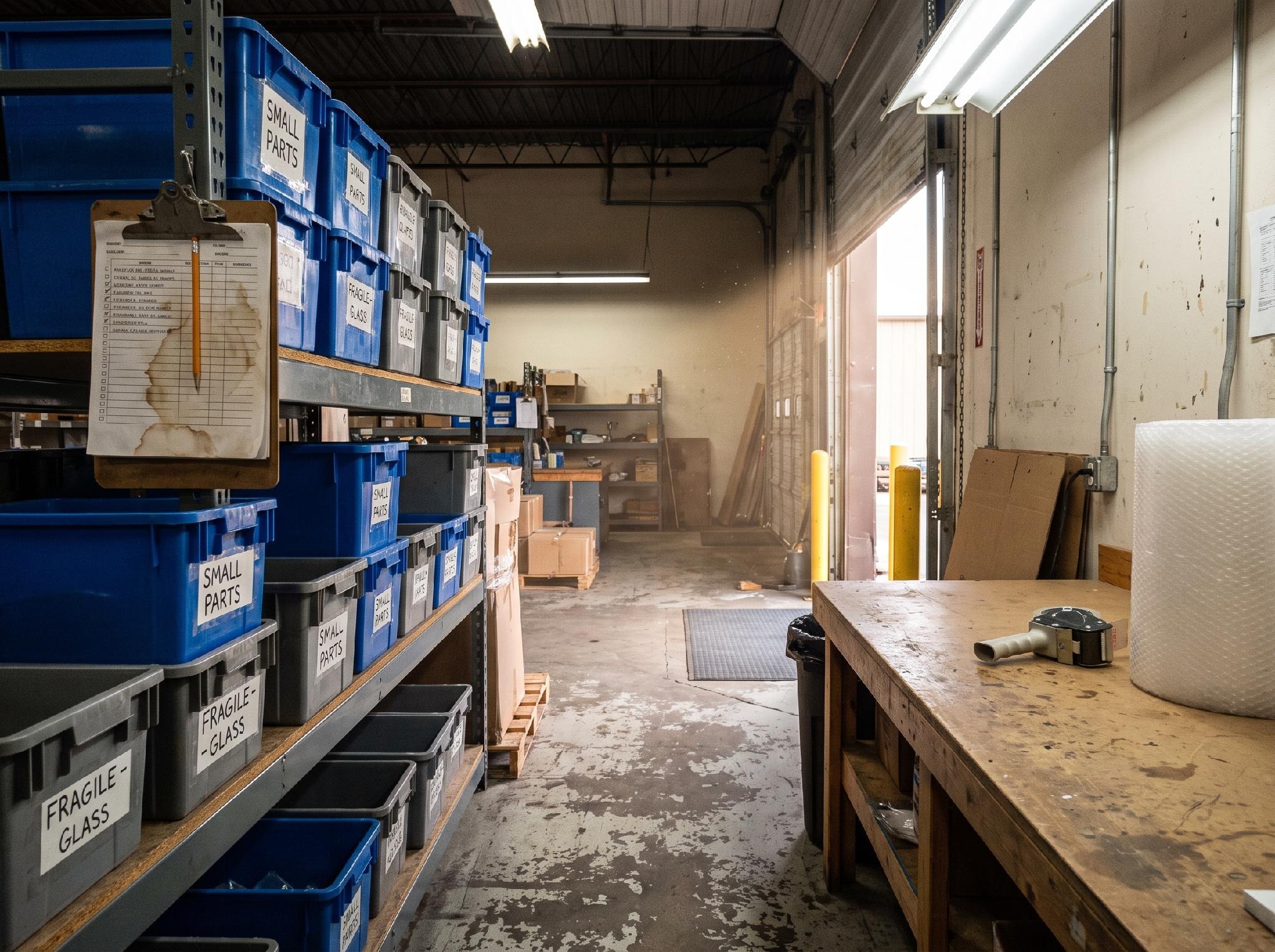
A well-organized fulfillment station where each step follows a documented, repeatable checklist.
Fulfillment isn’t one task; it’s a chain of them. Receiving, pick and pack, labeling, shipping, tracking, and returns all have to happen in the same order, every time, regardless of who’s on shift that day. Skip a step or let two employees handle it differently and errors creep in fast.
The stakes are higher than most founders assume. The National Retail Federation projects that retailers will absorb close to $850 billion in returned merchandise in 2025, with ecommerce return rates hitting 19.3%, roughly 1 in 5 online orders comes back. Much of that is preventable when the picking and packing process is documented well enough that mistakes get caught before a box leaves the building. On top of that, over 90% of online shoppers are likely to abandon a purchase after encountering unexpected shipping costs, which means fulfillment reliability isn’t a back-office concern; it shows up directly in revenue.
There’s a natural ceiling to this, though. A documented SOP fixes consistency, but it doesn’t create warehouse space, hire pickers overnight, or absorb a holiday spike. Once order volume outpaces what an in-house team can execute reliably, even with a great SOP in hand, businesses start looking at specialized fulfillment partners such as Merchdrop 3PL to take over execution while the underlying process stays the same. The SOP doesn’t disappear when you outsource; it just gets handed to a team built to run it at scale.
When DIY Fulfillment Stops Scaling (and a 3PL Makes Sense)
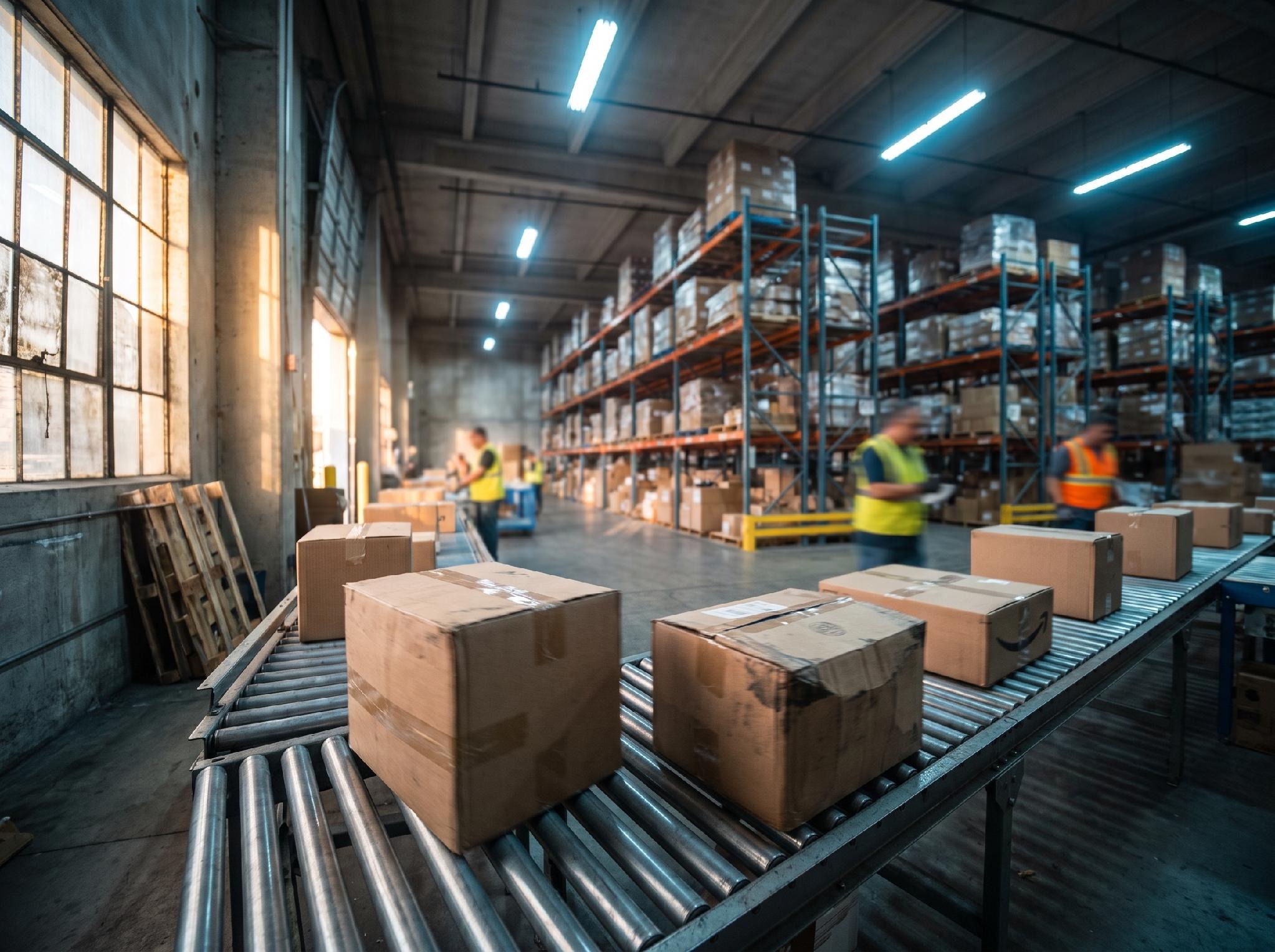
As order volume grows, fulfillment operations increasingly require dedicated warehouse infrastructure rather than in-house shipping.
Outsourcing fulfillment used to be a decision reserved for large retailers. That’s no longer true. Roughly 60% of online retailers now outsource part of their fulfillment to a third-party logistics provider, and 55% of companies plan to increase that outsourcing in the near future. It’s become a mainstream operating decision rather than an exception.
Part of the pressure comes from capacity. Nearly 60% of logistics providers operate at over 90% capacity, according to Gitnux’s 2026 industry data, which underscores how quickly an undocumented, in-house fulfillment process breaks down as order volume climbs. A garage or spare office that worked fine at 20 orders a day stops working at 200.
A few signs it’s time to make the switch:
- Shipping SLAs get missed even when the team is working overtime.
- Storage space is maxed out and inventory starts overflowing into hallways or shared rooms.
- Selling across multiple channels, such as a Shopify store and an Amazon storefront, makes manual tracking unreliable.
If Amazon is part of the sales mix, documenting the inbound and outbound shipping workflow separately matters too. Our guide on documenting your Amazon fulfillment workflow walks through building that structure before volume forces the issue.
Building a Fulfillment SOP That Works Whether You’re In-House or Outsourced
Whether fulfillment stays in-house or moves to a 3PL, the underlying SOP should hold up either way. A few practical steps make that possible:
- Map the full order lifecycle, from the moment an order comes in to the moment tracking confirms delivery.
- Assign clear roles for each step so nobody assumes “someone else” is handling packing verification or label accuracy.
- Document exceptions such as backorders, damaged goods, and address corrections, not just the happy path.
- Set measurable KPIs, including pick accuracy rate and average time from order to ship.
The market backing this up keeps expanding. Capital One Shopping’s research puts North American ecommerce fulfillment at $33.9 billion in 2025, up 14.2% year over year, and projects it will reach $38.7 billion in 2026. As more businesses compete in that space, the ones with a documented process have a real edge over the ones improvising each week. Our piece on SOPs that scale with your team breaks down how to structure that documentation so new hires can follow it without hand-holding.
Building a Returns SOP That Protects Customer Trust
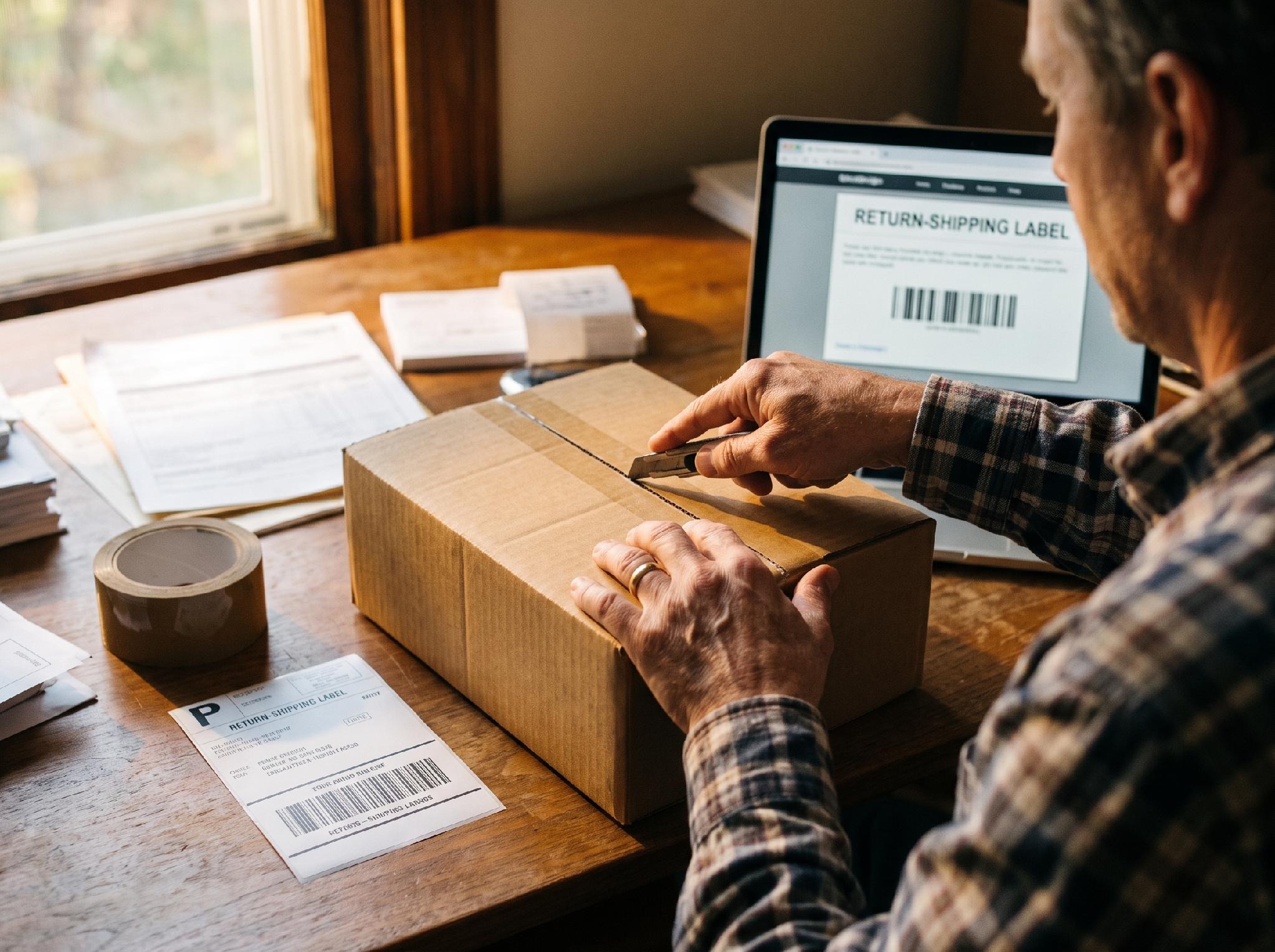
A clear, documented returns process helps retailers manage the roughly 1-in-5 online orders that come back.
Returns deserve their own SOP, not an afterthought bolted onto the shipping process. With ecommerce return rates near 19.3%, according to the NRF’s 2025 retail returns data, a business processing a thousand orders a month is realistically handling close to 200 returns in that same window. Without a documented process for inspecting, restocking, or refunding those items, margin leaks out quietly and fraud exposure goes up.
A solid returns SOP defines what counts as resellable versus damaged, how quickly a refund gets issued once an item is scanned back in, and who has authority to approve exceptions. That’s true whether the returns desk sits in your own warehouse or inside a 3PL’s facility. The process should survive a change in who’s executing it.
Turning Fulfillment Into a Repeatable System
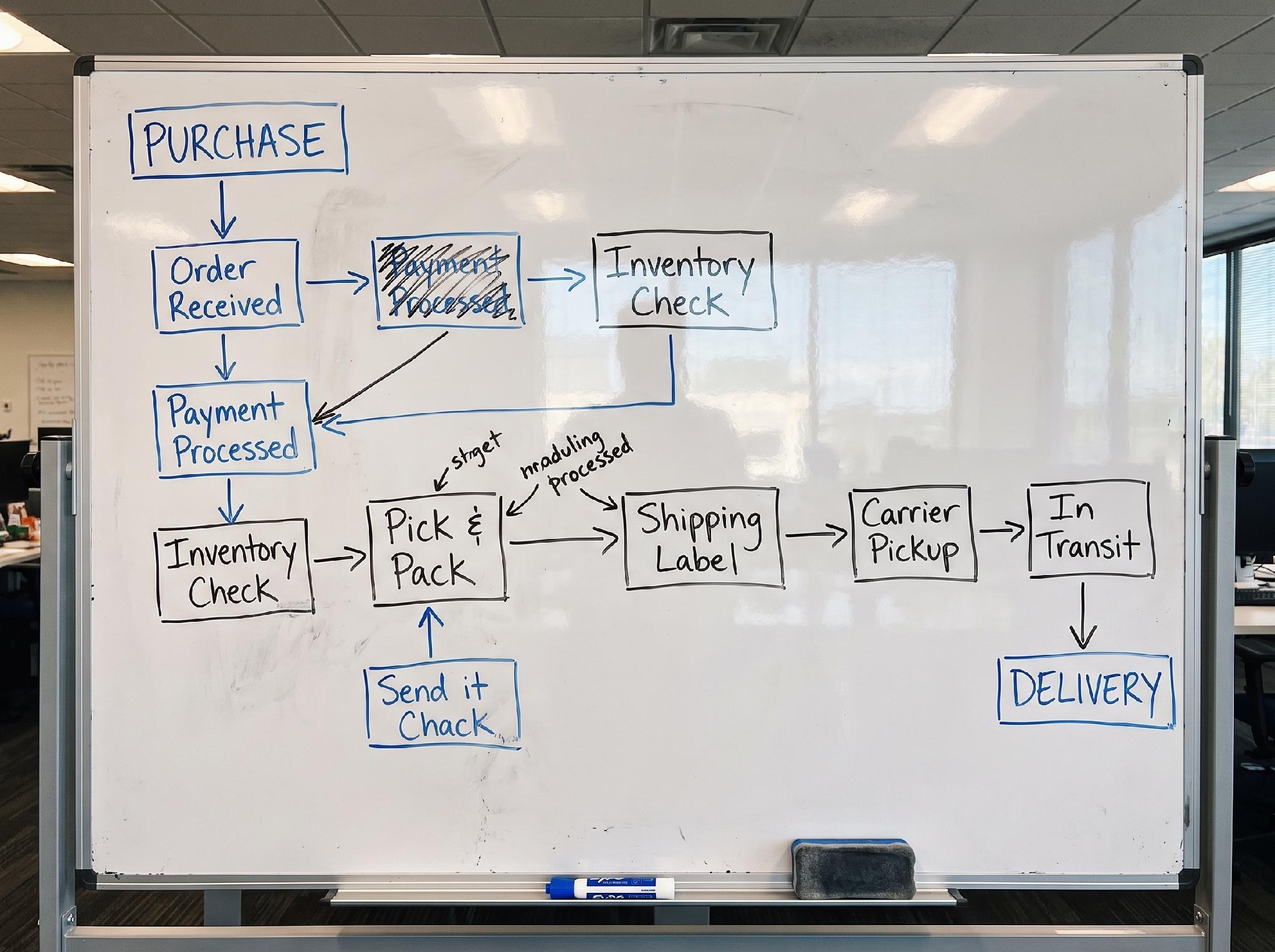
Mapping the full order-to-delivery workflow turns fulfillment from guesswork into a repeatable system.
Fulfillment doesn’t need to be reinvented every time volume grows; it needs to be documented once and then handed to whichever team, in-house or outsourced, can execute it consistently. That documentation is also what makes the rest of the business easier to run. It plugs into inventory forecasting, customer service scripts, and even the broader platform decisions a growing store has to make. If you’re still evaluating your tech stack alongside fulfillment, our rundown on choosing the right ecommerce platform covers what to weigh beyond just the storefront.
Conclusion
Fulfillment is a workflow like any other function in the business; it just happens to be one where mistakes are visible to the customer within days. Document it, measure it against real KPIs, and don’t wait until missed SLAs or an overflowing warehouse force the decision. Some businesses will keep fulfillment in-house indefinitely and that’s a legitimate choice if volume stays manageable. Others will hit a point where a specialized partner is the only way to keep shipping fast without burning out the team. Either way, the SOP you build now is what makes that transition, whenever it comes, something you control rather than something that happens to you.

