


Outdoor projects can add real living space to your home. To get a smooth build, you need a clear plan that covers budget, design, and logistics from day one.
Good planning keeps surprises from becoming setbacks. With a few smart steps up front, you can control costs, protect your timeline, and end up with a space that fits how you actually live.
Set Scope, Budget, And Timeline First
Start by listing must-haves and nice-to-haves with reasons. Group them by use, like dining, lounging, cooking, play, or storage, rank by impact on daily life. This structure keeps priorities visible and limits scope creep.
Build a simple budget that assigns dollars to each zone and line item. If your plan includes a spa or hot tub area, remember to account for ongoing protection and upkeep, such as covers for jacuzzi, which help preserve equipment and reduce long-term costs. Include a 10 to 15 percent contingency for unknowns, plus reserves for permits and delivery fees. Talk through trade-offs so minor upgrades do not snowball.
Set a realistic timeline that reflects design, lead times, and inspections. Add cushions around holidays, weather, and closures to protect critical paths. Share the schedule so expectations align and decisions arrive on time.
Permits, Codes, And Property Lines
Check local requirements before you sketch the final layout. Many projects need permits for structural work, gas lines, or electrical runs. If in doubt, call your building department and get clear answers.
Confirm setbacks and easements so you do not build where you should not. Map property lines and utility locations. This protects your investment and avoids costly rework.
Plan the inspection steps. Put them on a shared schedule with your builder. Passing the first time keeps momentum on your side.
Choosing The Right Team And Contracts
Assess experience with projects like yours. Ask to see completed work and talk with past clients. Fit matters as much as price.
You may start with a designer or builder, then bring in specialists as the plan firms up. For complex decks and porches, many owners rely on trusted Indianapolis deck contractors to handle structure, permits, and finishing details, and that local expertise can keep your project aligned with regional codes. Clear roles reduce overlap and finger-pointing.
Use a written scope, fixed allowances, and a payment schedule tied to milestones. Include cleanup, disposal, and protection of existing features. Good paperwork prevents small disputes from becoming big ones.
Phasing, Trades, And Project Management
If the budget is tight, phase the build into logical chunks. Start with structure and hardscape, then layer lighting, shade, and planting. Define each phase so it functions well and looks finished alone.
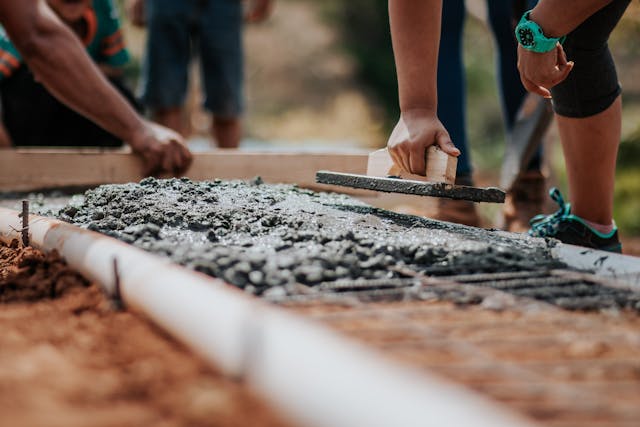
Coordinate trades in the right order with clear handoff points from excavation to the final punch list. Footings and drainage precede surfaces, then rails, power, and fixtures. Schedule inspections before concealment to avoid rework and delays.
Set weekly check-ins to review progress, decisions, and material status, and align lead times with installation windows. Capture changes in writing with costs, time impacts, and approvals. Small, steady communication keeps projects calm and protects your timeline.
Site Conditions And Drainage
Walk the site after a heavy rain and note where water collects. Mark slope directions, hard surfaces, and soft spots that slow runoff. Small grade tweaks, French drains, and catch basins prevent puddles, heaving, and soggy turf.
Test the soil where footings, piers, or pavers will sit. Clay, loam, and sand demand different excavation depths, base thicknesses, and compaction steps. A well-built base reduces settling, protects edges, and extends surface life.
Consider shade, wind, and daily sun paths. Small orientation shifts improve comfort, protect materials, and lower heat on adjacent walls. Placement near doors, trees, and utilities matters as much as materials and simplifies upkeep.
Materials, Durability, And Maintenance
Choose materials that fit your climate and your routine. Composites, capped PVC, and metal rails can cut upkeep. Natural woods bring warmth but need regular care.
Match the slip resistance to the space. Pool decks, steps, and ramps deserve extra texture. Ask for samples and test them wet.
Balance initial cost with total cost of ownership. A higher grade board or fastener can extend life and protect the look. A recent Houzz Outdoor Trends Study of 1,106 U.S. homeowners highlighted steady spending on outdoor upgrades as owners prioritize lasting value over quick fixes.
Outdoor spaces are meant to be used. Careful planning makes them durable, safe, and easy to love. You get a space that works from the first sunny weekend to the last fall evening.
Focus on the basics, stick to your plan, and keep an eye on details. When the right team follows a clear roadmap, your yard becomes the most popular room at home.