
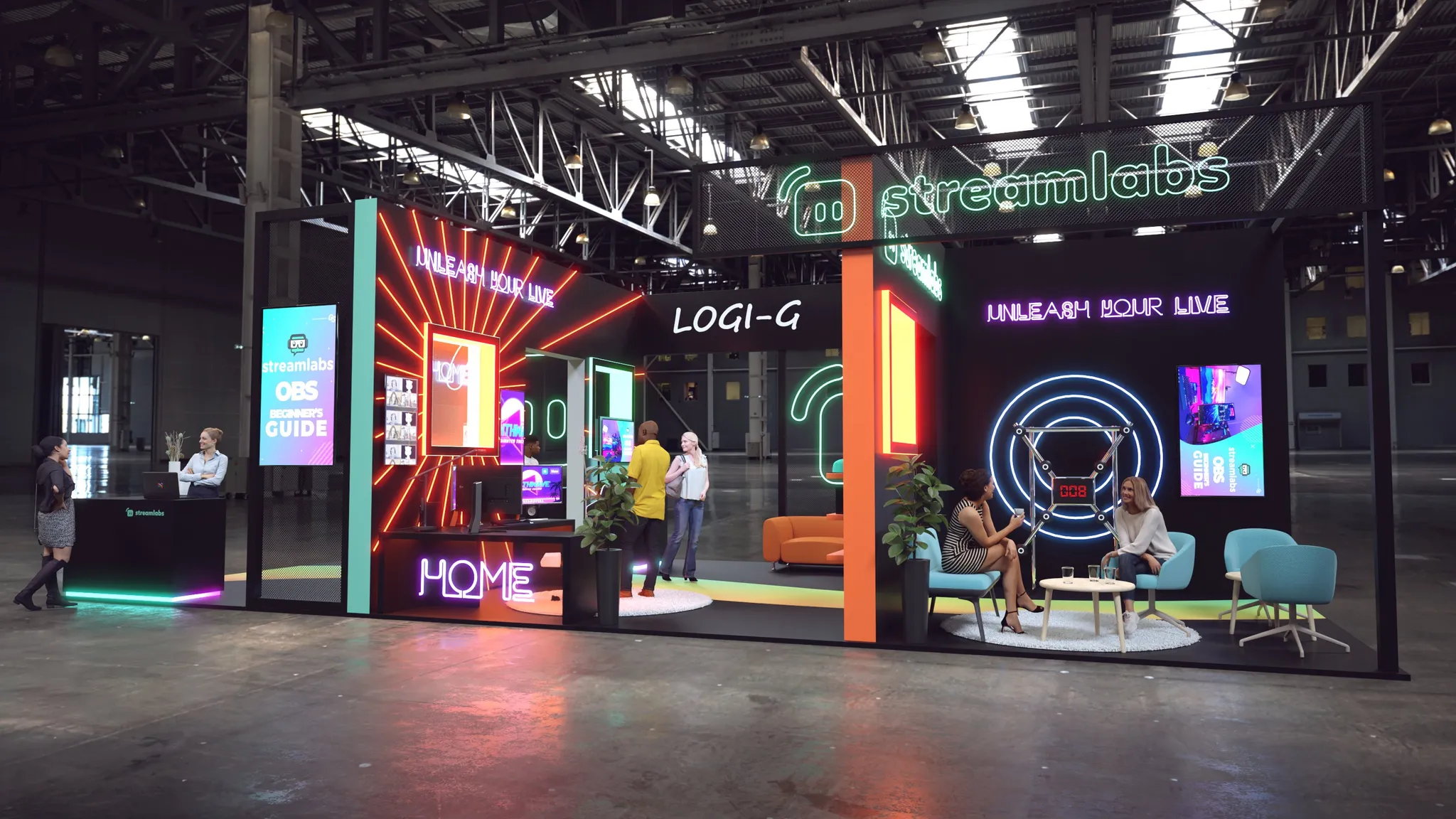

At trade shows, companies actively build new relationships with potential clients. Success depends on the people representing a business at the exhibit. Your employees are the ones who transform a casual browser into someone genuinely interested in making a purchase. How they act, their vibe, and their skills can significantly impact a visitor’s experience.
First Impressions Matter
Every interaction at a trade show starts with a first impression. Staff members shape that impression through their appearance, body language, and how they greet attendees. A warm smile and attentive posture invite visitors to engage, making them feel comfortable and valued. These small gestures gradually build trust and confidence. Trade Show Staffing & Models Services play a key role in creating this positive connection.
Engaging Conversation Starters
Trade show staff know that open-ended questions are more effective than scripted pitches. By asking visitors about their interests or needs, staff demonstrate genuine interest in them. This approach creates a two-way dialogue rather than a generic sales speech. When staff members listen actively, they gain valuable insights into each visitor’s motivations. This helps in tailoring responses and offering relevant solutions.
Active Listening Builds Connection
Listening with intent makes a significant difference. Staff members who pay close attention to a visitor’s responses can identify specific pain points or requirements. Responding thoughtfully shows respect and understanding. A warm, honest chat builds trust right from the start. People relax, ready to continue talking and hear more. When every conversation feels personal, visitors are much more likely to become customers.
Clear Communication of Value
Once staff understand a visitor’s needs, they can clearly explain how their product or service addresses those requirements. Instead of overwhelming visitors with details, staff focus on the benefits most relevant to the individual. Simple, concise communication helps visitors quickly grasp the value being offered. Visitors remember your clear conversations and the excellent points made, even after leaving your display.
Demonstrations and Visual Aids
Visual aids and demonstrations make a lasting impression. The staff utilizes these instruments to visually articulate a product’s operational mechanics and the resultant benefits it confers upon the user. Well-executed displays immediately draw observers in, prompting them to get involved. When visitors see a product in action, their interest often grows. That initial “Hmm, what’s that?” quickly shifts into a heartfelt “Wow, I really want to learn more about this!”
Handling Objections With Confidence
Concerns or hesitations are common during trade show interactions. Knowledgeable staff address objections calmly and confidently. Visitors feel confident knowing the company values honesty and transparency. When visitors feel listened to and respected, trust increases, making them more likely to become leads.
Gathering Contact Information
Once interest has been established, staff must collect contact details efficiently and accurately. When visitors decide to share their contact info, the staff sometimes sweetens the deal with helpful tools or a chance to enter a prize drawing. This process is handled smoothly to ensure that visitors are not made uncomfortable. A clear follow-up plan ensures that each lead is nurtured after the event.
Effective Follow-Up Planning
Turning visitors into leads does not end at the booth. Before everyone heads off, they agree on the immediate next steps and confirm exactly how they’ll update each other later. When they confirm how someone prefers to be contacted, getting back in touch just flows more smoothly. Staff may also schedule appointments or send personalized emails soon after the trade show. Responding to someone promptly truly shows you care and helps keep that connection strong.
Teamwork and Coordination
Trade show success relies on a coordinated team effort. Staff members collaborate to manage busy periods and ensure that every visitor receives personalized attention. Effective teams communicate regularly, share information about promising contacts, and support each other throughout the event.
Continuous Learning and Improvement
After each event, staff review their performance and identify areas for growth. Businesses often offer classes to help their teams acquire new skills and stay current. Teams that truly pay attention to what happens get better at changing casual browsers into solid potential customers.
Conclusion
Trade show staff are truly deal-makers. They transform a quick conversation with a visitor into a strong, potential sales lead. Real connections happen. The staff genuinely engages with people and ensures follow-up. This helps companies form strong bonds that last long after the event is over.

