


Introduction
Procurement teams are under constant pressure to identify reliable suppliers quickly while maintaining cost control, compliance, and efficiency. Yet, manual sourcing methods often lead to fragmented data, duplicate efforts, and missed partnership opportunities.
Modern supplier databases are changing that. By centralizing supplier information and automating key processes, they help corporate buyers discover, vet, and engage with qualified vendors faster than ever. These tools also improve visibility, reduce risk, and ensure that every sourcing decision is backed by accurate, real-time data.
Below are seven trusted supplier database solutions that empower organizations to optimize supplier discovery and strengthen their procurement operations.
Supplier.io
Best for:
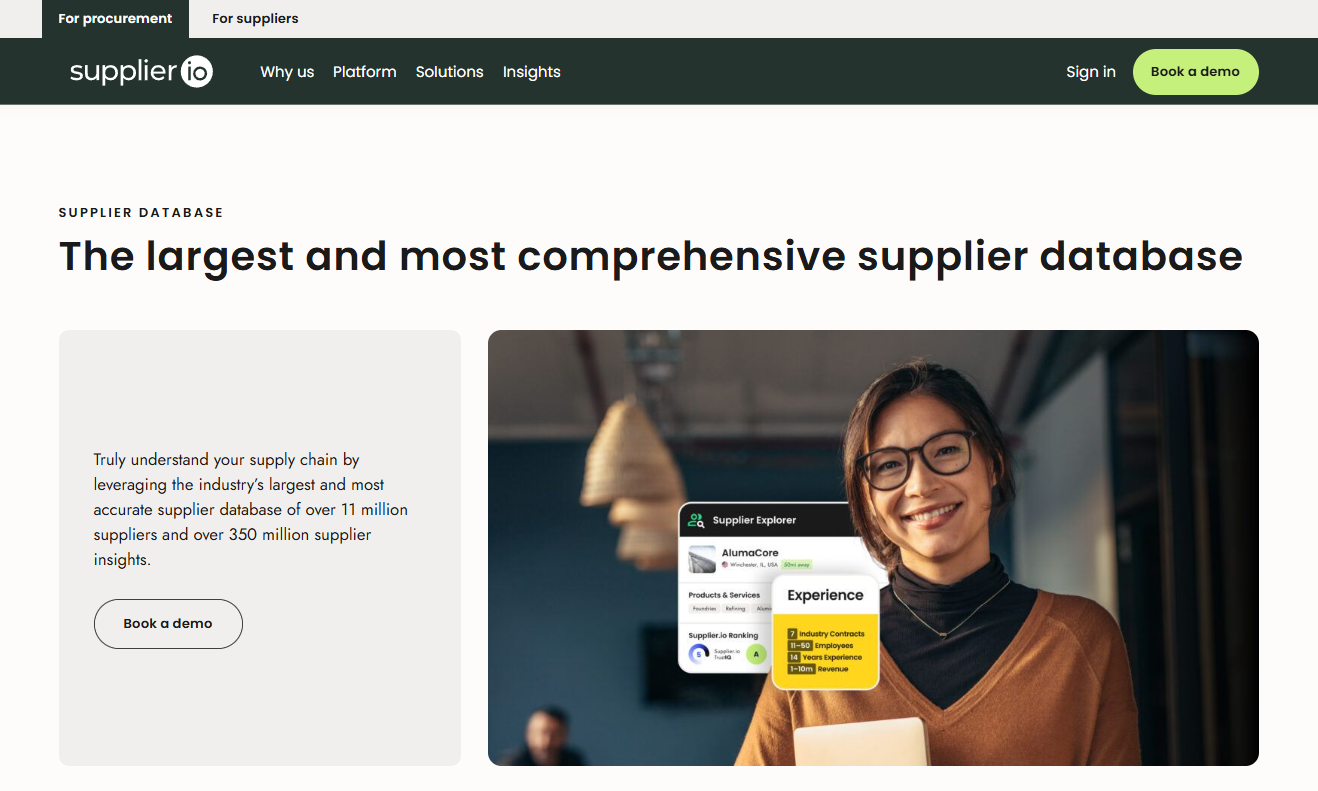
Supplier.io’s comprehensive supplier directory is a trusted resource for corporate buyers looking to simplify vendor management and sourcing.
Key Features:
- Access to 11 million suppliers and 350 million supplier insights.
- 450+ verified data sources ensuring accurate and current supplier records.
- Up to 50 supplier attributes including certifications and sustainability data.
- $10 trillion in spend data for benchmarking and trend analysis.
- Global supplier coverage across North America and Europe.
Pros:
- Exceptionally comprehensive and accurate supplier data.
- Simplifies supplier discovery and vetting.
- Provides actionable insights for compliance and diversity programs.
Cons:
- The platform’s depth of features may take some time to learn.
- Training and onboarding are helpful for maximizing its potential.
Customer Reviews:
Users praise this platform for its accurate data, intuitive interface, and helpful customer support. This allows them to identify qualified suppliers with increased assurance, thereby improving overall visibility into the sourcing process.
GEP SMART
Best for:
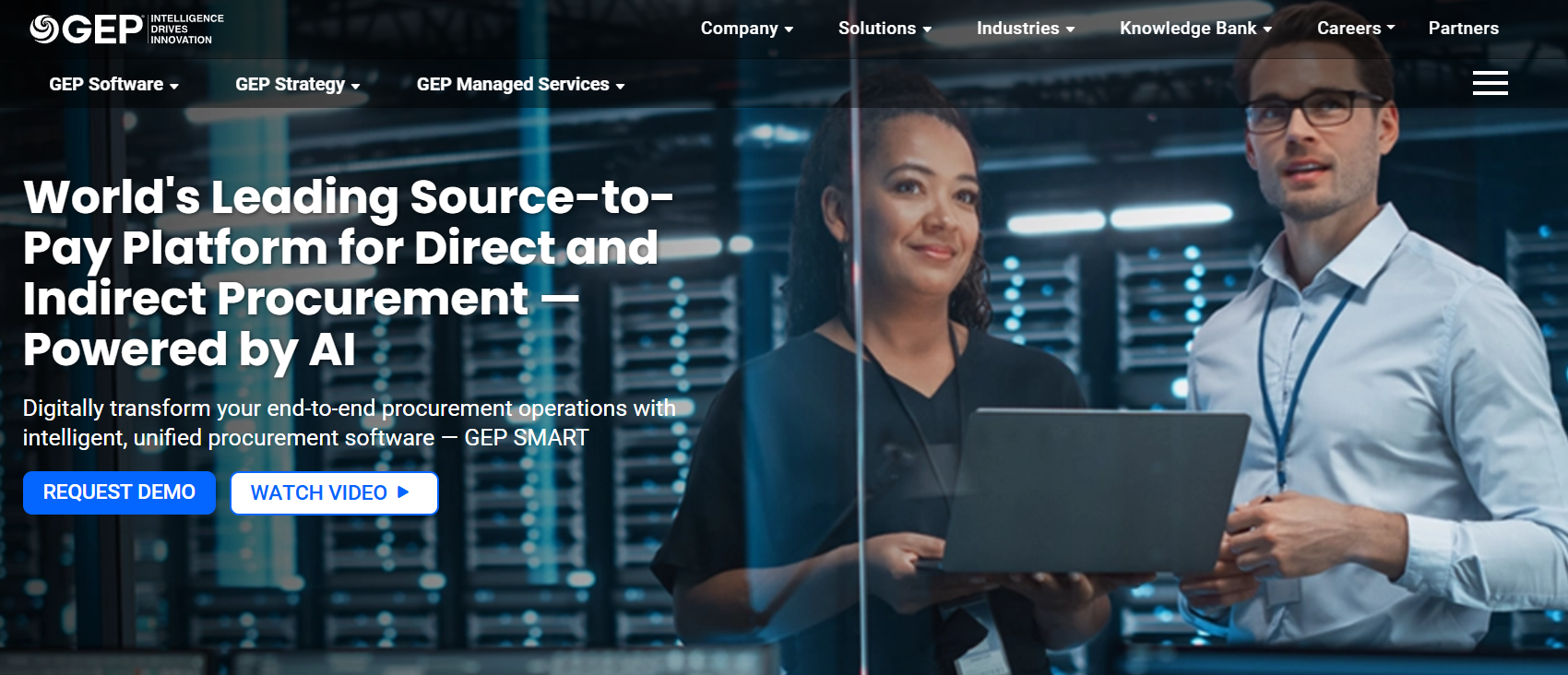
Enterprises that need an AI-powered platform to manage supplier information and make faster, data-driven sourcing decisions.
Key Features:
- Centralized supplier database for unified sourcing and procurement.
- Smart catalog browsing with preferred supplier options for better pricing.
- AI-driven insights to identify savings and mitigate supplier risk.
- Integrated workflows for sourcing, purchasing, and contract management.
Pros:
- Intuitive interface that enhances supplier discovery.
- Strong AI analytics and automation.
- Customizable dashboards for supplier performance tracking.
Cons:
- Complex setup and configuration for new users.
- Customization may require additional training or support.
- Higher pricing compared to specialized supplier search tools.
Customer Reviews:
Users value its AI-powered insights and comprehensive feature set, though some mention that the platform’s complexity can extend onboarding time.
Avetta
Best for:
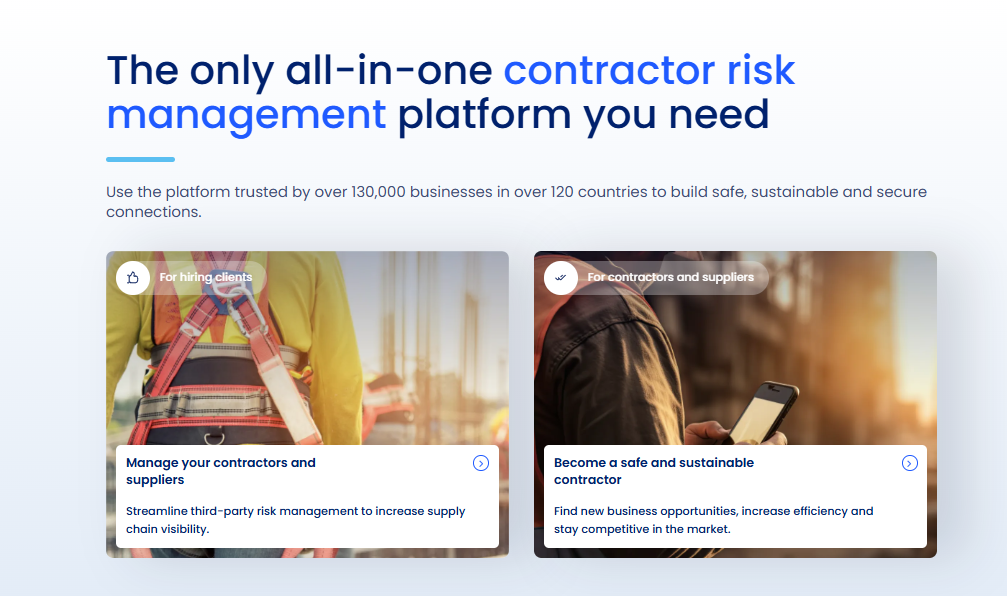
Organizations that need a centralized solution for managing supplier and contractor risk, compliance, and safety performance.
Key Features:
- All-in-one risk management platform for prequalification, safety, and ESG data.
- Large contractor network with advanced filtering for supplier search.
- Automated compliance monitoring and insurance validation.
- ESG benchmarking tools to evaluate sustainability performance.
Pros:
- Easy-to-use platform for managing compliance.
- Detailed safety and ESG insights.
- Efficient onboarding for contractors and suppliers.
- Extensive network for supplier discovery.
Cons:
- High costs can be challenging for smaller suppliers.
- Billing transparency could be improved.
- Document updates may require manual effort.
Customer Reviews:
Users appreciate Avetta’s strong compliance tools and comprehensive supplier visibility, though some report pricing and billing frustrations on the supplier side.
Coupa
Best for:
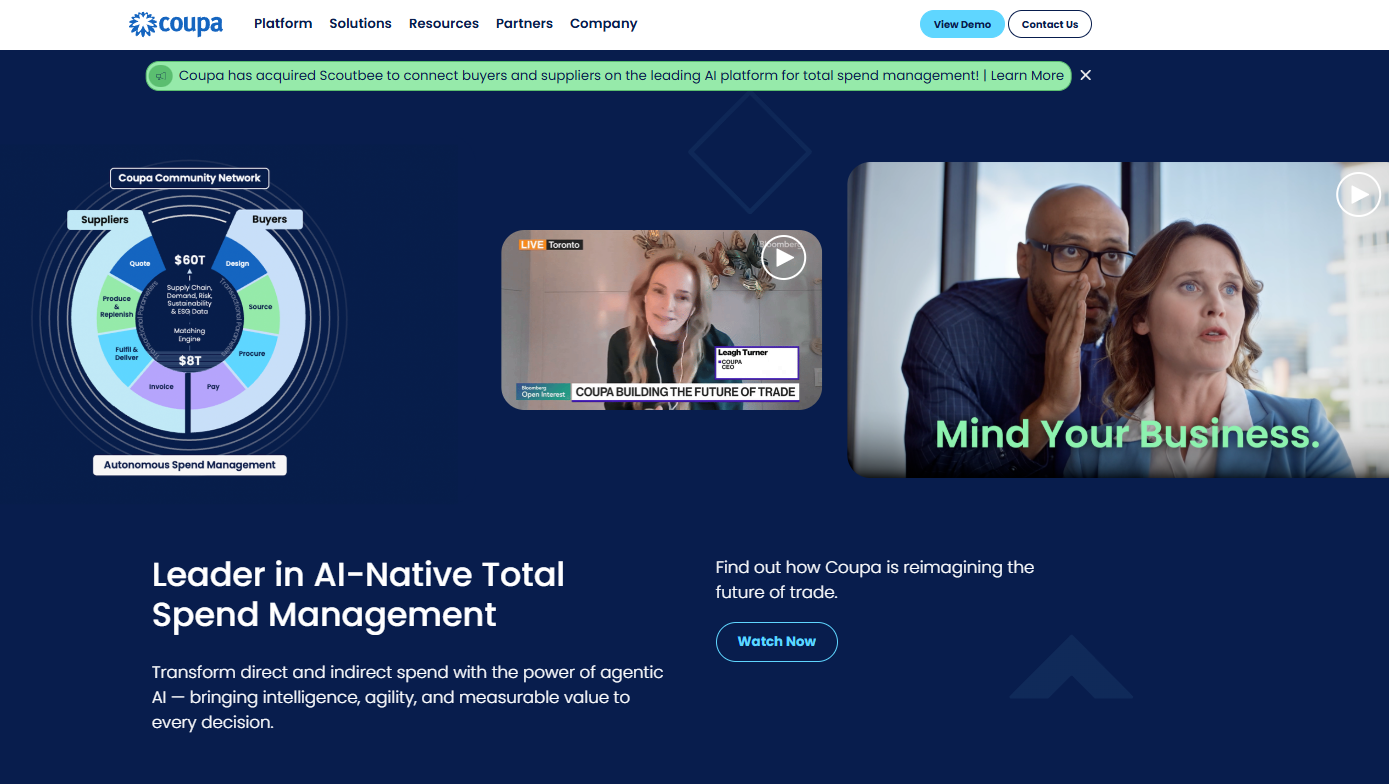
Large enterprises seeking an AI-driven procurement platform that improves sourcing visibility and spending control.
Key Features:
- AI-powered supplier search with real-time risk insights.
- Integrated source-to-pay tools to manage all supplier interactions.
- Smart intake process that simplifies requisition and approval workflows.
- Sustainability features that embed ESG into supplier decisions.
Pros:
- User-friendly and efficient supplier discovery.
- Comprehensive, integrated procurement system.
- Advanced AI insights for supplier risk management.
- Seamless spend visibility across departments.
Cons:
- Learning curve for advanced sourcing functions.
- Limited customization in certain modules.
- Integration setup can be complex.
Customer Reviews:
Users praise Coupa’s ease of use, automation, and AI features, while mentioning that configuration and integration can require time to fine-tune.
HICX
Best for:
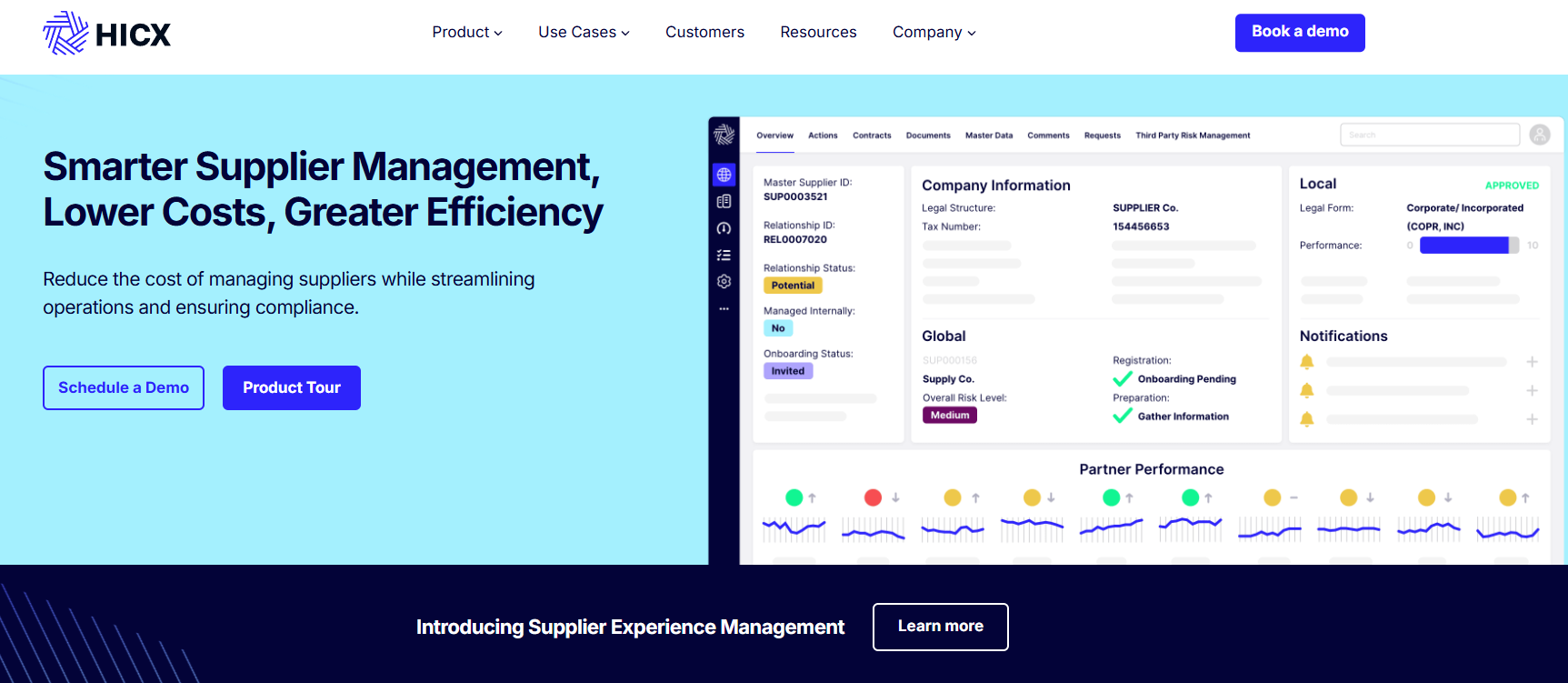
Enterprises needing a no-code platform to orchestrate and automate supplier management processes at scale.
Key Features:
- Centralized supplier workflows managed from a single platform.
- No-code workflow builder for fast configuration and updates.
- Flexible data model tailored for complex global supply chains.
- Deep integrations with ERP, procurement, and third-party data sources.
Pros:
- High degree of customization for supplier onboarding and data management.
- No-code design empowers non-technical teams.
- Robust integration across enterprise systems.
- Scalable for global procurement operations.
Cons:
- Advanced workflows may need professional configuration.
- Setup and testing can be time-consuming.
Customer Reviews:
Users highlight HICX’s flexibility and data control, noting that it’s powerful for complex organizations, though custom workflows can require extra time to perfect.
JAGGAER
Best for:
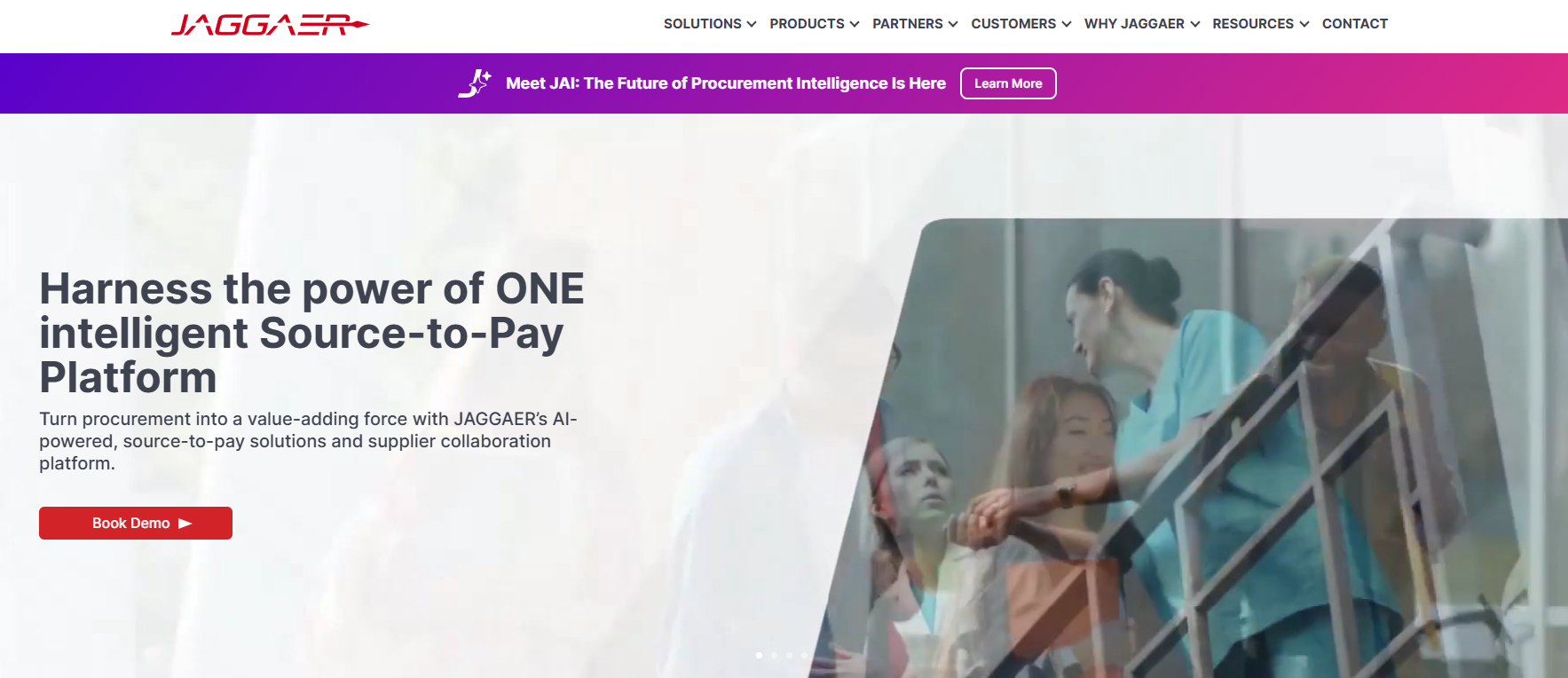
Enterprises aiming to strengthen supplier discovery, ESG performance, and sourcing intelligence across global supply chains.
Key Features:
- 360° supplier visibility with AI-driven insights and performance metrics.
- ESG and sustainability tools to identify responsible suppliers.
- Collaborative supplier network for frictionless commerce.
- Seamless ERP integration for centralized supplier data and analytics.
Pros:
- Extensive supplier database and sourcing tools.
- Strong ESG and sustainability features.
- Data-rich insights for supplier performance.
- Reliable support and frequent product updates.
Cons:
- Steep learning curve for new users.
- Reporting and dashboard tools can be complex.
- Occasional performance slowdowns.
Customer Reviews:
Users value JAGGAER’s end-to-end visibility and automation, praising its ability to enhance supplier collaboration while noting that initial setup can take time.
Procurify
Best for:
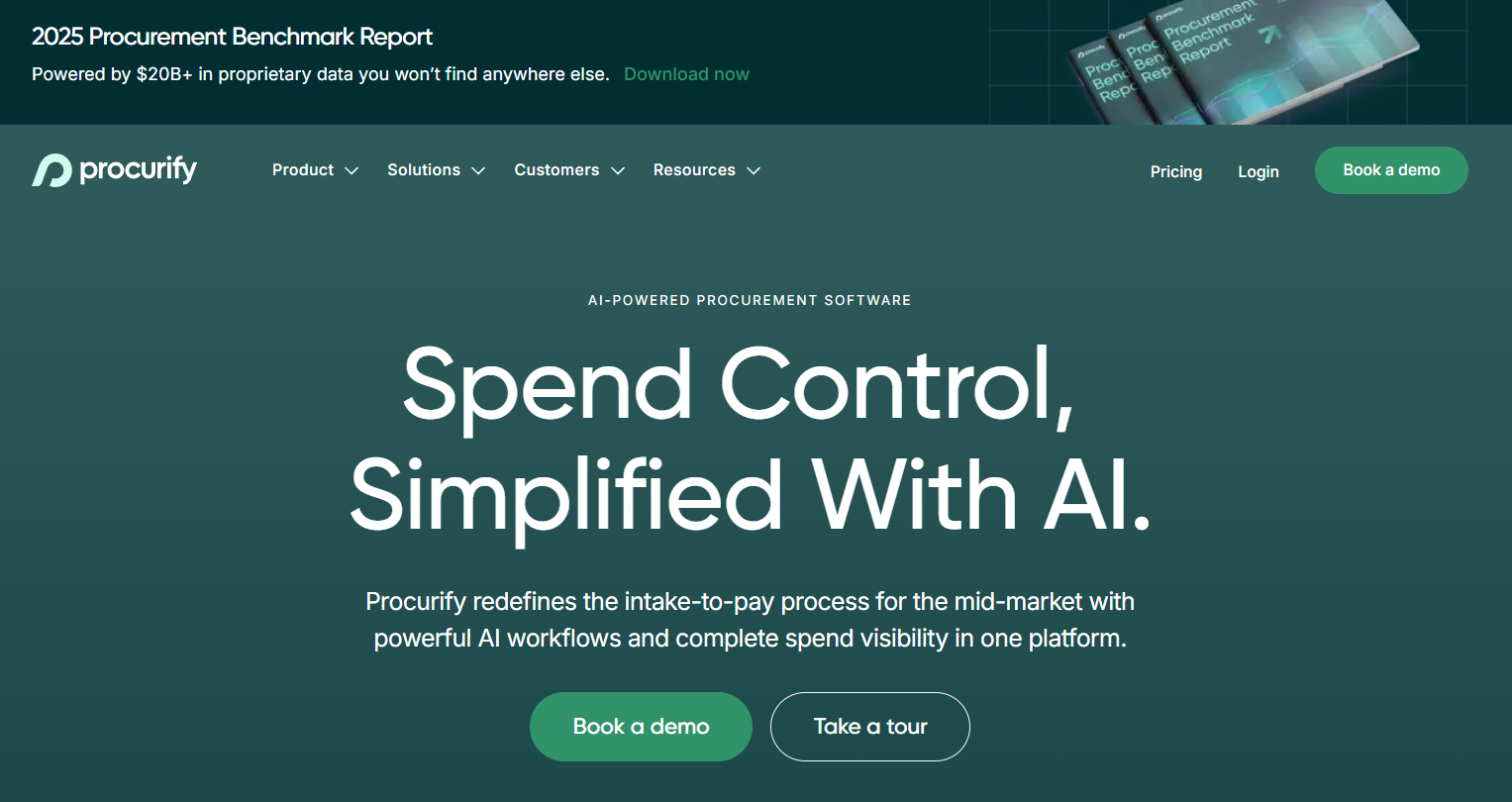
Small to mid-sized businesses looking for an accessible, all-in-one system to manage vendors, track spend, and ensure compliance in purchasing.
Key Features:
- Centralized vendor records with contract and onboarding management.
- Preferred supplier catalogs to reduce maverick spending.
- Integrated supplier data for improved sourcing and negotiations.
- Real-time spend tracking for budget control and visibility.
Pros:
- Easy-to-use interface ideal for non-technical teams.
- Efficient onboarding and communication with vendors.
- Clear spend tracking and purchase visibility.
Cons:
- Limited report customization options.
- Integration gaps with some niche systems.
- Minor system delays with large data volumes.
Customer Reviews:
Users appreciate Procurify’s simplicity and intuitive design, citing faster vendor onboarding and clearer spend visibility, with some suggesting more robust reporting tools.
Final Thoughts
Supplier databases are reshaping how procurement teams discover and manage vendors. By consolidating supplier information, automating onboarding, and integrating with broader procurement systems, these platforms eliminate guesswork and enable faster, smarter sourcing decisions.
The ideal solution depends on your organization’s scale, sourcing complexity, and data needs – but investing in the right supplier database will streamline supplier discovery, strengthen compliance, and lay the foundation for a more agile and resilient supply chain.

