
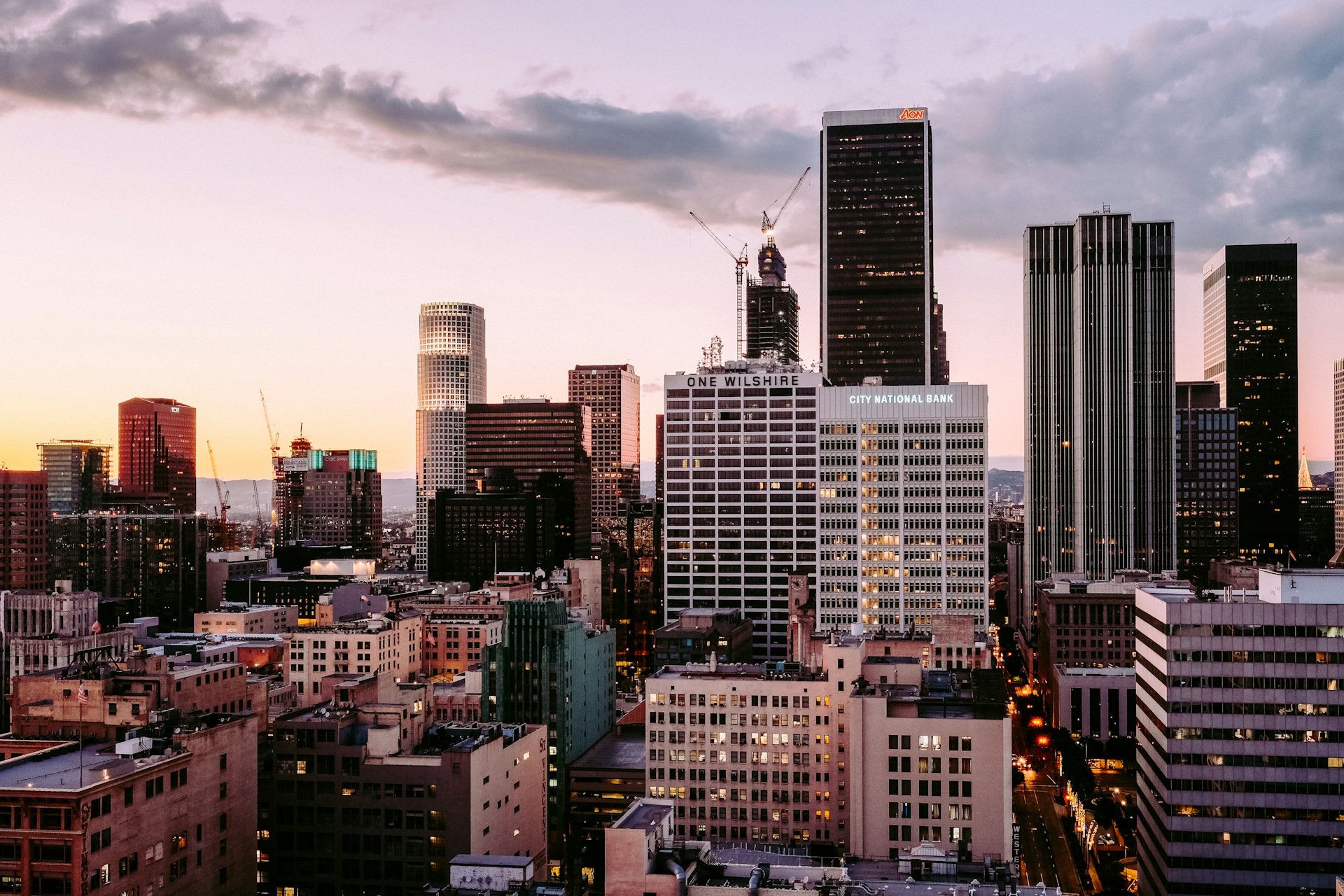

Owning or managing a commercial building is a significant responsibility that extends far beyond day-to-day operations. From maintenance and safety to design and compliance, every aspect of a property affects its longevity, functionality, and profitability. Successful business owners recognize that their building is more than a physical space, it’s an investment that influences productivity, brand reputation, and long-term financial stability.
Understanding how to maintain and improve a commercial building helps prevent costly problems while ensuring a professional, welcoming environment for employees and clients alike. With the right strategies, business owners can protect their property and maximize its value.
Prioritizing Preventive Maintenance and Inspections
The most cost-effective way to protect a commercial building is through consistent maintenance. Preventive care ensures that small issues are identified and corrected before they turn into major repairs. Routine inspections of the roof, HVAC system, plumbing, and electrical components help detect wear, corrosion, or inefficiencies early. Establishing a maintenance schedule allows property owners to anticipate costs rather than react to emergencies.
Working with reliable contractors who understand commercial infrastructure can make a significant difference. For example, professional inspections of fire suppression systems or ventilation ducts ensure compliance with building codes while improving occupant safety. Regular upkeep doesn’t just preserve functionality; it extends the life of key systems and supports uninterrupted business operations.
Preparing for Weather-Related and Structural Emergencies
Natural disasters and severe weather can pose serious risks to commercial buildings. Flooding, storms, or fires can cause extensive property damage that disrupts business continuity. Having a plan in place for these situations is critical.
Business owners should understand their insurance coverage, keep digital copies of property records, and establish emergency response procedures for employees. When unexpected events occur, securing commercial damage help for St. Louis disasters or similar regional services can speed up recovery. Professional restoration teams can assess damage, manage repairs, and coordinate with insurers to reduce downtime. Preparing for the unexpected doesn’t eliminate risk, but it minimizes financial strain and ensures that operations can resume quickly. A well-prepared business recovers faster and sustains less loss, both physically and financially.
Ensuring Compliance With Safety and Accessibility Standards
Compliance is a cornerstone of effective property management. Building codes, zoning laws, and accessibility regulations are designed to protect both occupants and owners. Failing to meet these standards can result in penalties, lawsuits, and reputational harm. Business owners should regularly review local requirements to ensure their property remains fully compliant.
Safety features such as emergency exits, sprinkler systems, and proper signage must be maintained and inspected regularly. Accessibility is equally important; compliance with the Americans with Disabilities Act (ADA) or equivalent regulations ensures that the building is inclusive and accessible to everyone. Partnering with compliance consultants or local authorities can simplify the process, keeping documentation and inspections up to date.
Investing in Energy Efficiency and Modern Systems
Energy-efficient upgrades can dramatically improve both operational costs and environmental impact. Replacing outdated lighting with LEDs, improving insulation, and installing energy-efficient HVAC systems all contribute to long-term savings. Smart building technologies, such as automated thermostats, motion-sensing lights, and energy-monitoring tools, help track usage and reduce waste.
Sustainability isn’t just good for the environment; it enhances property value and attracts eco-conscious tenants or customers. Businesses that invest in renewable energy sources, like solar panels, may qualify for tax incentives and rebates. Modernizing infrastructure doesn’t have to happen all at once; a phased approach can gradually reduce expenses while keeping the property competitive in the marketplace.
Designing for Productivity and Brand Identity
The interior layout and exterior design of a commercial building have a direct impact on productivity, employee morale, and brand perception. Natural light, functional workspaces, and modern design elements create an environment where people feel motivated and comfortable. A building that reflects the company’s values strengthens its image and helps attract clients.
For office spaces, flexible layouts that accommodate both collaboration and privacy support a range of work styles. In retail or hospitality settings, design plays a major role in customer experience. Exterior upgrades, like updated signage, clean landscaping, and refreshed façades, communicate professionalism and care. Investing in design is an investment in the business’s public image and long-term success.
Managing Costs Through Strategic Budgeting and Planning
A proactive budgeting approach keeps commercial building ownership sustainable. Allocating funds for both regular maintenance and unexpected repairs prevents financial strain when issues arise. Building owners should set aside reserves for large projects such as roof replacements or system upgrades. This forward-thinking strategy ensures that crucial improvements aren’t delayed due to budget constraints.
Using data from previous years can help identify spending patterns and forecast future needs. Many property managers find it useful to integrate budgeting tools or professional accounting services to track expenses accurately. Transparency between owners, tenants, and service providers supports accountability and helps maintain trust throughout the management process.
Commercial buildings represent one of the most valuable assets a business can own. Maintaining them requires foresight, organization, and consistent attention to detail. By prioritizing maintenance, preparing for emergencies, ensuring compliance, and embracing modernization, business owners can safeguard their investment while supporting their organization’s growth. A well-maintained, compliant, and efficient building protects the bottom line and creates an environment where businesses can thrive confidently for years to come.

