


Ensuring workplace safety is a critical aspect of any business, and employers need to adhere to guidelines and standards that protect workers from harm. The Occupational Safety and Health Administration (OSHA) and the American National Standards Institute (ANSI) play pivotal roles in shaping and enforcing safety protocols across various industries.
By setting these standards, these organizations help prevent accidents, reduce injuries, and ultimately create safer work environments. Understanding the importance of OSHA and ANSI standards and how they contribute to workplace safety is key to any company’s compliance efforts and overall success.
Understanding OSHA and ANSI Standards
OSHA is a federal agency under the United States Department of Labor that is responsible for establishing and enforcing workplace safety standards. These regulations are designed to minimize the risk of accidents and injuries, ensuring that workers are not exposed to hazardous conditions. OSHA covers a wide range of industries, from construction and manufacturing to healthcare and agriculture, with specific guidelines tailored to the unique risks of each sector.
ANSI, on the other hand, is a non-profit organization that oversees the development of voluntary standards in various fields, including workplace safety. While ANSI standards are not legally binding, they provide valuable guidance and best practices for creating safer work environments. Many of ANSI’s safety standards align with or complement OSHA regulations, offering a more comprehensive approach to safety.
Together, OSHA and ANSI help create a robust framework for workplace safety, combining legally enforceable standards with voluntary guidelines to address both immediate and long-term risks.
The Role of Resources for Safety Standards in Workplace Safety
One of the most visible ways that OSHA and ANSI standards are implemented in the workplace is through safety signs and labels. These visual tools play a crucial role in communicating hazards and providing instructions for safe behavior.
Whether it’s a warning sign for a hazardous area or a label on a chemical container, safety signs help ensure that workers are aware of potential dangers and know how to protect themselves. There are many resources for safety signs and standards that businesses can use to ensure they are complying with OSHA and ANSI requirements. These resources provide access to pre-made safety signs, customizable options, and guidance on creating effective signage for specific workplace needs.
Using high-quality, ANSI-compliant safety signs is an easy yet effective way to communicate essential safety information to employees.
For example, ANSI-compliant safety signs often use specific colors, shapes, and symbols to convey different levels of hazard. A red circle with a diagonal line through it, for example, indicates a prohibition, while a yellow triangle with an exclamation mark signifies a cautionary warning. These standardized symbols make it easy for workers to quickly recognize and respond to hazards, even if they do not speak the same language.
Key OSHA Regulations for Workplace Safety
OSHA regulations are comprehensive and cover a wide range of safety concerns. Some of the most important regulations include requirements for personal protective equipment (PPE), hazard communication, machine safety, and emergency preparedness. These regulations aim to reduce the likelihood of injuries or fatalities in the workplace by setting clear expectations for employers and employees.
One critical area of focus for OSHA is hazard communication. Employers are required to inform their workers about the chemicals and materials they may be exposed to in the workplace.
This includes providing proper labeling, safety data sheets (SDS), and training on how to handle hazardous substances safely. By ensuring that workers are well-informed, OSHA reduces the likelihood of accidental exposure to dangerous chemicals.
ANSI Standards for Workplace Safety
While OSHA regulations are mandatory, ANSI standards are voluntary guidelines that provide additional recommendations for workplace safety. ANSI standards complement OSHA regulations and offer more detailed information on specific safety topics. For example, ANSI provides recommendations for the design and placement of safety signs, fire safety, electrical safety, and even ergonomics.
ANSI standards help employers create safer work environments by offering clear, practical advice on various safety issues. For example, ANSI Z535 is a series of standards that outlines the design and use of safety signs, labels, and tags. These standards help ensure that safety messages are clearly communicated and easy to understand, reducing the risk of accidents caused by misinterpretation.
Employers can use ANSI standards to enhance their safety practices beyond the minimum requirements set by OSHA. Adhering to ANSI standards not only helps companies avoid potential fines but also demonstrates a commitment to the well-being of their employees.
The Benefits of Complying with OSHA and ANSI Standards
Compliance with OSHA and ANSI standards offers numerous benefits to employers and employees alike. First and foremost, adhering to these standards helps reduce workplace injuries and fatalities, which can have a profound impact on both human lives and a company’s bottom line. By preventing accidents, businesses can lower their insurance premiums, reduce legal costs, and avoid costly fines for non-compliance.
Businesses that follow OSHA and ANSI guidelines create a positive work environment that values employee well-being. This, in turn, can lead to higher employee morale, increased productivity, and better retention rates. Workers are more likely to stay with companies that prioritize their safety and health, leading to a more stable and effective workforce.
Businesses that meet OSHA and ANSI standards demonstrate their commitment to quality and professionalism, which can improve their reputation and enhance their competitiveness in the market. Clients, customers, and business partners are more likely to trust and work with companies that adhere to recognized safety standards.
Training and Education for OSHA and ANSI Compliance
Ensuring compliance with OSHA and ANSI standards requires ongoing training and education for employees.
Safety training programs should be regularly updated to reflect changes in regulations and best practices. Workers need to be trained not only on how to use equipment and handle hazardous materials safely but also on the proper interpretation of safety signs and labels.
For businesses that need guidance on specific safety topics, there are numerous training programs and resources available. These programs can range from basic OSHA 10-hour or 30-hour courses to more specialized training on topics like electrical safety, machine guarding, or ergonomics.
The Importance of Regular Safety Audits
Regular safety audits are essential for maintaining a safe work environment and ensuring compliance with OSHA and ANSI standards.
These audits involve reviewing safety practices, equipment, and procedures to identify potential hazards and areas for improvement. By conducting audits regularly, businesses can address safety concerns before they lead to accidents.
Safety audits also help ensure that all safety signs, labels, and equipment are up to date and in compliance with current regulations.
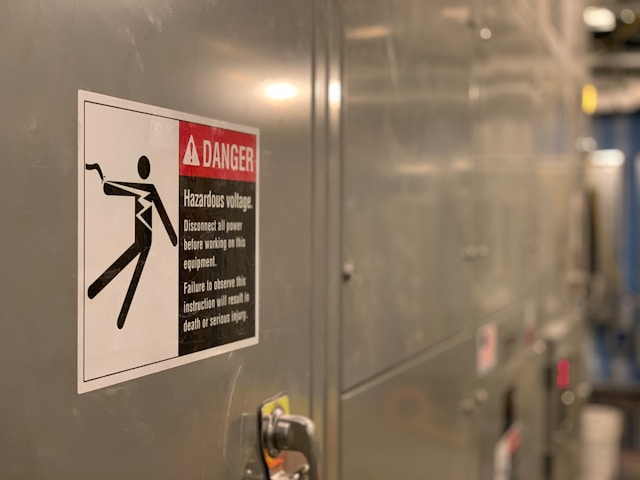
OSHA and ANSI standards are fundamental to ensuring workplace safety. By complying with these regulations and guidelines, businesses can reduce the risk of accidents, protect their employees, and create a safer work environment. The use of safety signs and labels, in particular, plays a critical role in communicating hazards and promoting safe behavior.

