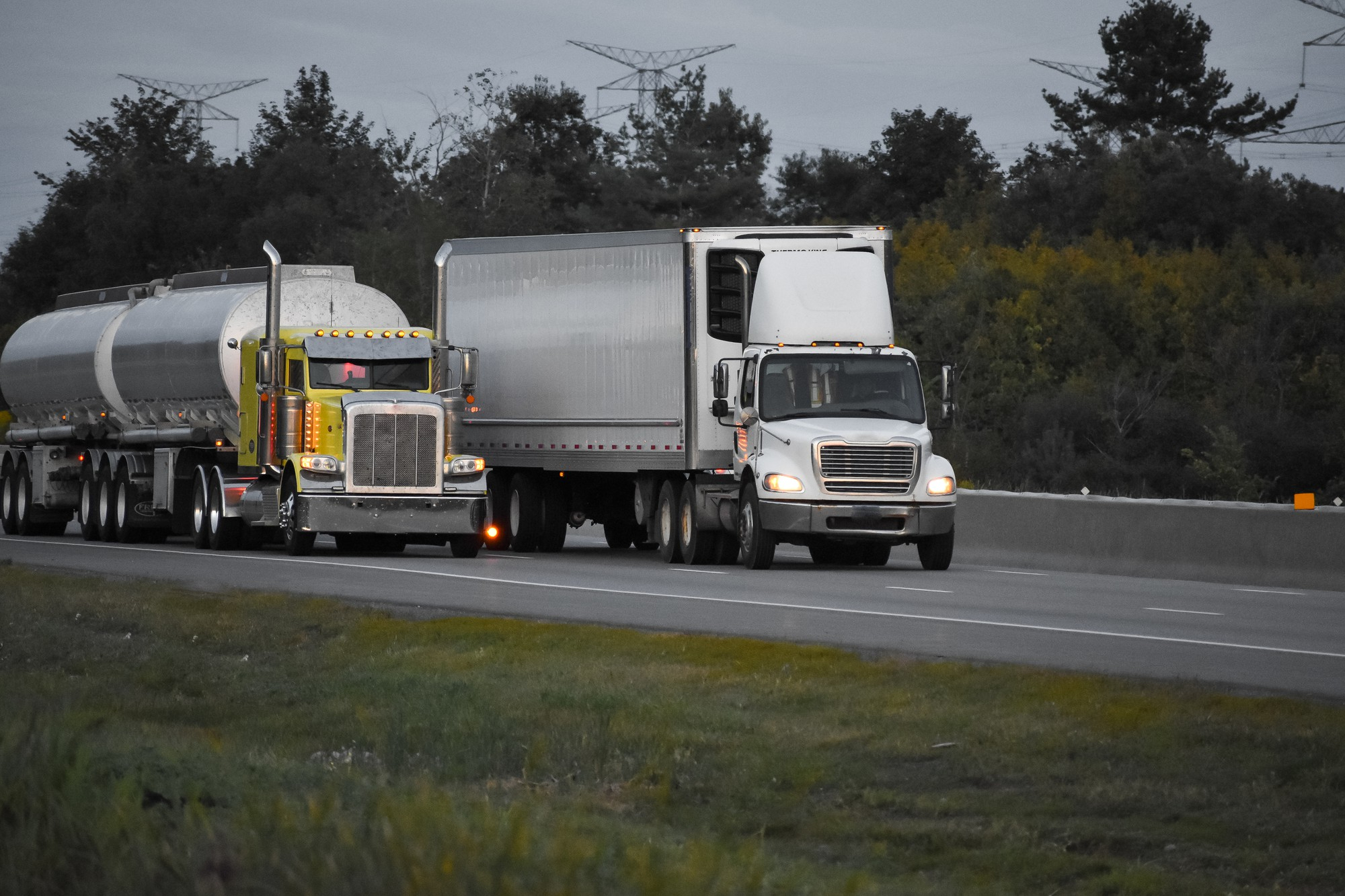

Florida’s I-4 corridor is the state’s fulfillment engine. Orlando anchors the labor and parcel capacity; Polk County (Lakeland, Auburndale, Davenport) houses mega-DC clusters; Tampa provides west-coast consumer access; and I-4 stitches it together. If you import through JAXPORT (Jacksonville) and Port Tampa Bay, you can feed Orlando DCs quickly and at a lower landed cost—if you choose the right lanes, book smarter appointments, and design an operations plan that respects Florida’s peculiar mix of port, toll, and dwell dynamics.
Below is a practical, field-tested playbook for logistics leaders, supply planners, and transportation managers moving volume into Central Florida.
The corridor at a glance
- Primary destination nodes:
- Lakeland/Auburndale/Davenport (I-4 Exits ~32–58): large-format retail, grocery, e-commerce, beverage, home improvement.
- South Orlando/Kissimmee (SR-417/SR-528 spurs): parcel hubs, e-com fast-ship nodes.
- Northwest Orlando/Apopka/Ocoee (SR-429): building products and food & bev.
- Lakeland/Auburndale/Davenport (I-4 Exits ~32–58): large-format retail, grocery, e-commerce, beverage, home improvement.
- Port options:
- JAXPORT (Blount Island, Talleyrand, Dames Point): deep carrier menu, strong Asia/all-water services, quick highway access to I-95 and I-295.
- Port Tampa Bay (Hooker’s Point): closest container port to the I-4 DC belt, fastest physical dray to Polk County and Orlando via I-4 eastbound.
- JAXPORT (Blount Island, Talleyrand, Dames Point): deep carrier menu, strong Asia/all-water services, quick highway access to I-95 and I-295.
- Rule of thumb: Tampa almost always wins on dray distance for I-4 DCs; JAXPORT often wins on sailings/options and sometimes on reliability/availability. Your landed‐cost decision is usually a trade between miles and ocean/network flexibility.
Best lanes from the ports to Orlando-area DCs
1) JAXPORT → South Orlando (SR-528/SR-417)
- Typical path: I-295 S → I-95 S → SR-528 W (Beachline) → SR-417 or Florida’s Turnpike spurs.
- Distance & time: ~160–180 miles to South Orlando; 2.5–3.5 hours depending on time of day, toll choices, and gate dwell.
- When it’s strong: When your ocean service discharges in JAX first, you’re pulling hot freight that can’t wait for a Gulf call, or you’re transloading near JAX for tight parcel sort windows in Orlando.
2) JAXPORT → Polk County (Lakeland/Auburndale)
- Typical path: I-295 → I-10 W (brief) → US-301 S or I-95 S → SR-528 W → I-4 E.
- Distance & time: ~200–210 miles; 3–4 hours plus DC gate time.
- When it’s strong: When a JAX call beats a Tampa call by a day or two and inventory speed matters more than pure dray cost, or when you’re aggregating near JAX (transload/consolidation) before a single TL to Polk County.
3) Port Tampa Bay → Polk County (fastest milk run)
- Typical path: I-4 E straight into Lakeland exits.
- Distance & time: ~35–45 miles; 30–45 minutes wheels-turning—Florida’s cleanest store-door move to the I-4 DC belly.
- When it’s strong: Most of the time. Shortest dray, least risk of HOS pinch, lowest fuel burn, and usually the easiest appointment fit with daytime delivery.
4) Port Tampa Bay → Orlando (Apopka/Ocoee or South Orlando)
- Typical path: I-4 E; for northwest nodes, peel to SR-429; for south nodes, continue to SR-417 or Florida’s Turnpike.
- Distance & time: ~80–110 miles; 1.5–2 hours.
- When it’s strong: Broadly strong—especially for live unloads that prohibit late-day arrivals.
Tip: I-4 is toll-free, which helps Tampa-origin moves. JAXPORT routes often choose toll roads (SR-528/SR-417) to make time; budget tolls and plan alternates for margin protection.
Appointment strategy: the quiet profit lever
Orlando/DCs can be appointment-heavy, with variability in unload speed, lumper charges, and detention policies. Three tactics consistently improve on-time performance and cost:
- Program drop-and-hook wherever possible.Park a trailer pool at the DC. Align a power-only round to minimize driver dwell. Your HOS risk drops, and you can double-dip a tractor day.
- Book “staggered buffers” across your portfolio.For chains with multiple I-4 DCs, avoid stacking all AM appointments. Schedule some midday/PM drops to absorb port or highway surprises without detention.
- Exploit weekend gates and extended hours where offered.Ports occasionally add extended gates in peak season. A late Friday pull with a Saturday AM appointment can dodge demurrage and flatten Monday congestion.
Paperwork prep: Make sure SEAL, PRO, ASN, and any lumper/OS&D workflows are verified before the truck leaves the port. The 10 minutes you spend validating appointments and documents is worth an hour of avoidable dock hold.
Landed-cost math that actually decides the port
Importers often over-focus on the ocean rate and ignore the last 200 miles. Build a simple model that adds:
- Ocean + port fees (THC, security, wharfage).
- Dray/linehaul (base per-mile + fuel per mile + tolls).
- Equipment (chassis days).
- Accessorials (detention, lumper, drop fees).
- Time value of inventory (days saved × carrying cost rate × inventory value).
Here’s an illustrative (not a quote) comparison for a single 40’ import feeding a Lakeland DC:
- Assumptions
- Diesel: $4.00/gal; fleet fuel efficiency: 6.5 mpg → $0.615/mile fuel cost.
- Base dray/linehaul: $1.50/mile (ex-fuel).
- Chassis + terminal incidentals: $85 total per container.
- Round-trip miles include return to port/yard.
- Diesel: $4.00/gal; fleet fuel efficiency: 6.5 mpg → $0.615/mile fuel cost.
- Round-trip miles
- JAXPORT → Lakeland: ~420 miles.
- Tampa → Lakeland: ~80 miles.
- JAXPORT → Lakeland: ~420 miles.
- Modeled totals
- JAXPORT → Lakeland:
- Base: 420 × $1.50 = $630.00
- Fuel: 420 × $0.615 ≈ $258.46
- Fees: $85.00
- Estimated total: $973.46
- Tampa → Lakeland:
- Base: 80 × $1.50 = $120.00
- Fuel: 80 × $0.615 ≈ $49.23
- Fees: $85.00
- Estimated total: $254.23
- JAXPORT → Lakeland:
Takeaway: For Polk County DCs, Tampa’s dray can be $700+ cheaper per container than JAXPORT on transportation alone. JAXPORT sometimes claws back value if it delivers earlier availability that prevents demurrage or expedites, or if you transload near JAX and ship a single 53’ TL to multiple Florida nodes.
The JAXPORT transload play
If your box hits JAX two days before a Tampa call, consider:
- Short dray from JAXPORT to a nearby cross-dock (assume 40 round-trip miles).
- Transload into a 53’ with good cube utilization.
- Single TL to Lakeland (~200–210 miles) and peddle nearby stores.
You’ll pay a transload (e.g., $200–$300), a small local JAX dray, and a TL to Polk County, but you might save a day or two of inventory time and avoid port storage. If your inventory carrying cost is 15% annually and you’re moving $100,000 of goods, two days saved is roughly $82 in carrying cost avoided—small on its own, but meaningful when paired with demurrage avoidance or service wins.
Capacity, people, and safety
The corridor’s efficiency lives or dies with experienced drivers who know port choreography, I-4 pulse traffic, and the quirks of appointment-only receivers. If you’re growing your private fleet or partnering with asset carriers, Central Florida remains a strong market for talent—see opportunities like truck driver jobs Orlando to understand the labor landscape and schedule realities that shape service design.
Port operations and dwell guardrails
- Free time & demurrage: Florida terminals enforce free-time clocks strictly. Build a pre-pull option into your routing guide (pay a yard to pull and store) whenever weekend/holiday overlaps threaten your clock.
- Chassis days: Track both port and street days. Short Tampa drays minimize street time; longer JAX moves magnify chassis exposure if appointments slip.
- Live vs. drop at the DC: Live is fine on Tampa short-hauls; for JAX long-hauls, prefer drop to protect Hours of Service and avoid detention snowballing.
Seasonal patterns and risk buffers
- Hurricane season (Jun–Nov): Keep a dual-port strategy. If Gulf weather threatens Tampa, protect capacity through JAXPORT and hold extra empties inland.
- Peak retail (Aug–Dec): Book more morning appointments than usual; give JAXPORT moves an extra day of slack for highway incidents on SR-528/SR-417.
- Snowbird traffic (winter): Afternoon I-4 eastbound into Polk can jam. Favor AM arrivals or SR-570 (Polk Parkway) bypasses when your DC is on the south side.
Network design plays that consistently win
- Two-port intake with dynamic allocation.Negotiate ocean contracts that let you manifest to either JAXPORT or Tampa. Use a rules-engine:
- If destination = Polk County and ETAs are equal → Tampa.
- If JAX ETA is ≥ 24–48 hours earlier → JAXPORT + transload.
- If appointment must be AM next day and Tampa free time is tight → pre-pull Tampa.
- If destination = Polk County and ETAs are equal → Tampa.
- Position cross-dock capacity near both ports.A light cross-dock footprint (4–8 doors) in Jacksonville and Tampa gives you emergency levers—split pallets, fix OS&D, rework overweight, or recombine orders by stop.
- Trailer pools at core DCs.A 10–20 trailer pool in Lakeland and South Orlando turns long-haul JAX days into safe drops. Reclaim equipment faster and cut detention risk.
- Appointment API/portal integration.Tie DC portals (or 3PL appointment desks) to your TMS so you hold “shadow slots” you can release the day prior. It’s the best antidote to port-driven ETAs that move by hours.
- Carrier mix: dray specialists + regional TL.Pair port-native dray carriers with I-4 regional TL fleets. You’ll get better turn-times at the terminals and more reliable drop-and-hook performance at the DC.
Quick cheat sheet
- Cheapest store-door to Polk County: Port Tampa Bay → I-4 → Lakeland.
- Fastest hot freight to South Orlando: JAXPORT arrival that beats Tampa by ≥ 1 day, using SR-528/SR-417 and a drop at the DC.
- Best reliability in peak: Dual-port plan with pre-pull rights and a nearby cross-dock.
- Biggest hidden cost: Chassis days + detention from tight appointment windows.
- Most overlooked lever: Weekend/extended port gates to reset your demurrage clock and stage Monday freight.
Example: choosing the port for a one-week promotion
Say you’re feeding a Lakeland DC for a three-week retail promo. Your ocean provider can discharge either Tampa on Wednesday or JAXPORT on Tuesday.
- If you need on-floor by Wednesday EOD: JAXPORT wins—pull Tuesday, drive 3–4 hours, drop, and you’re safe. The extra dray cost is insurance against missed sales.
- If you can floor by Thursday AM: Tampa wins—short dray Wednesday, minimal dwell, and your per-container cost drops by hundreds.
Scale that across 50 containers and your choice swings tens of thousands in landed cost—per week.
Final word
The I-4 distribution corridor rewards short drays, clean appointments, and flexible port intake. Use Port Tampa Bay for the everyday, low-friction feed into Polk County and Orlando. Keep JAXPORT in your quiver for sailings variety, earlier availability, and transload agility. Above all, engineer your schedules and trailer pools so your drivers spend their time rolling—not waiting. When you do, service levels rise, landed costs fall, and Orlando’s DCs hum the way they were designed to.