
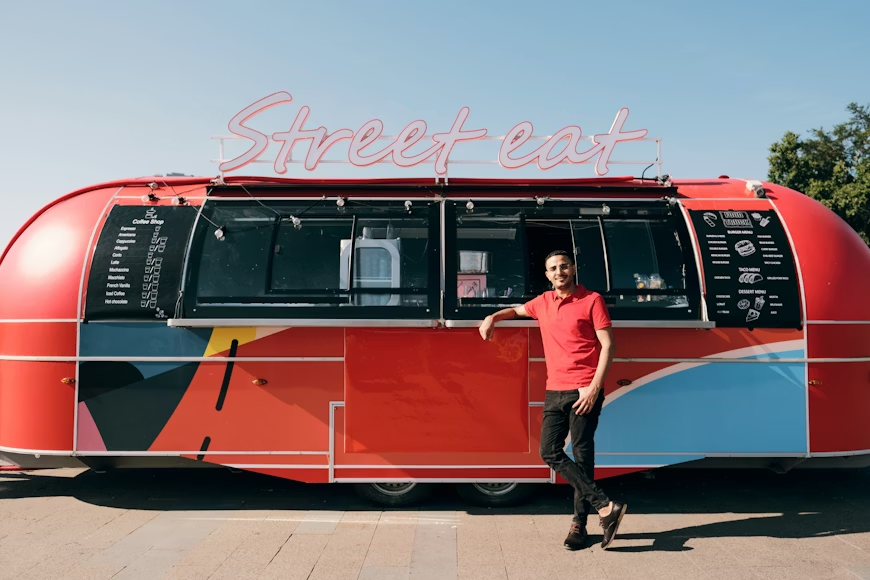

If you own a brick and mortar business, it probably has a fixed location. But many companies can actually do better financially if they transition into a mobile one. Using a truck, a pop-up style business model, or home-focused delivery can completely change the game and help you reach new audiences that want to buy from you.
So, what do you need to do to turn your fixed business model into something more flexible?
Assess whether a mobile format will work for you
You want to start by assessing whether a mobile format will work for you. Some businesses are actually set up for this sort of thing, like beauticians and hairdressers, while others require a physical location. Sometimes you might be able to offer a hybrid model as well. This is where you keep your location but add some sort of mobile service, like call-outs. This is something you want to gradually phase in, where possible.
Conduct research to validate market demand
At the same time, you want to conduct market research to validate demand. You need to find out whether people actually want the services that you are planning on offering.
If you can check competitors and survey existing clients, then that can help confirm whether the service is needed. You can also try out small pop-ups on likely customers to see whether people are interested in what you want to sell.
Sort out your point of sale
Also make sure that you’re able to use credit card processing services on the move. If you rely on cash, you may wind up being disappointed. Most customers will want to pay you by card because it’s so convenient. If you’re dealing with bank transfers and other clunky methods, that can put people off.
Handle legal permits and insurance
You’ll also want to look for ways to handle various legal permits and insurance. For example, if you are setting up a mobile food business, you’ll need various health permits. You’ll also need to check parking rules and vending licenses in your particular area.
As for insurance, this is most important when you’re planning to use a vehicle like a food truck or your own private car. Again, you’ll need to tell your insurer that you’re using the vehicle for commercial purposes, which will mean a change in your premium.
Acquire mobile infrastructure
If you’re planning on spending a lot of time on moving around, meeting customers, or delivering to them, then acquiring mobile infrastructure is critical. Start small with a used van, for example, and then build from there. Again, you want to validate that your idea makes sense, and that people are interested.
Adapt your service offering
Finally, you’ll need to think about how you could adapt your service offering to take into account your new mobile setup. If possible, look for high-margin, quick-serve items that you can sell almost immediately. When people use mobile businesses, they’re often looking for convenience. Also, see whether your conventional products travel well. If they don’t move around well, then you may need to consider some other strategy.

