


If you run a startup, you know one thing. Cash disappears fast. Marketing costs add up. Video production costs add up even faster.
A few product videos. A few paid ads. A few landing page explainers. Soon you are spending thousands every month. I have seen startups burn $10,000 or more per month on video alone.
The good news is simple. AI video tools can cut a large part of that cost. This is not theory. This is a workflow shift.
Let me break down where the money goes and how startups reduce those costs using AI video.
The Real Cost of Video for Startups
Video is not optional anymore.
You need it for:
- Paid ads
- Product demos
- Social media
- Landing pages
- Investor updates
The problem is not video itself. The problem is traditional production structure.
Most startups use one of these models:
- Hire an agency
- Hire freelancers
- Build a small internal video team
All three are expensive.
Where the $10K per Month Actually Goes
Let us look at a common monthly breakdown.
Agency Retainer
Many startups pay:
- $5,000 to $15,000 per month
- Plus extra for revisions
This often includes concept development, filming, editing, and project management.
Even if output is limited, the retainer stays fixed.
Freelancers and Contractors
If you avoid agencies, you still pay for:
- Videographer
- Editor
- Motion designer
- Script writer
A single polished video can cost:
- $1,500 to $5,000
Now multiply that by multiple ads per month.
Equipment and Studio Costs
If you produce internally, you may pay for:
- Cameras
- Lighting
- Audio gear
- Studio space
Equipment is a one-time cost, but upgrades and maintenance continue.
Post-Production and Revisions
Video rarely works on the first try.
You test ads. You tweak messaging. You change calls to action.
Every revision costs money and time.
If you run paid ads, you need multiple variations.
That increases costs even more.
How AI Video Removes Major Cost Centers
AI video tools attack the biggest expenses directly.
Instead of filming everything, you generate content.
Instead of reshooting, you regenerate.
Instead of hiring a full team, your marketing team produces in-house.
Let us break this down.
No Film Crew Needed
Modern AI video platform allow:
- Text-to-video
- Image to video
- AI avatar videos
You can create:
- Product explainers
- Demo visuals
- Background scenes
- Social ads
without a camera.
This removes:
- Location costs
- Equipment rentals
- Shooting days
That alone can save thousands per month.
Faster Ad Testing
Startups live on testing.
You test:
- Hooks
- Offers
- Visual angles
- Calls to action
Traditional video makes testing expensive.
AI video makes testing cheap.
You can generate:
- 5 ad variations in one afternoon
- Multiple visual styles
- Different opening scenes
This reduces cost per experiment.
Faster testing improves ROI. Better ROI reduces wasted spend.
In-House Production Without Hiring
You do not need a full video department.
A small marketing team can use AI tools to:
- Generate visuals
- Edit scenes
- Create short clips
- Build product demos
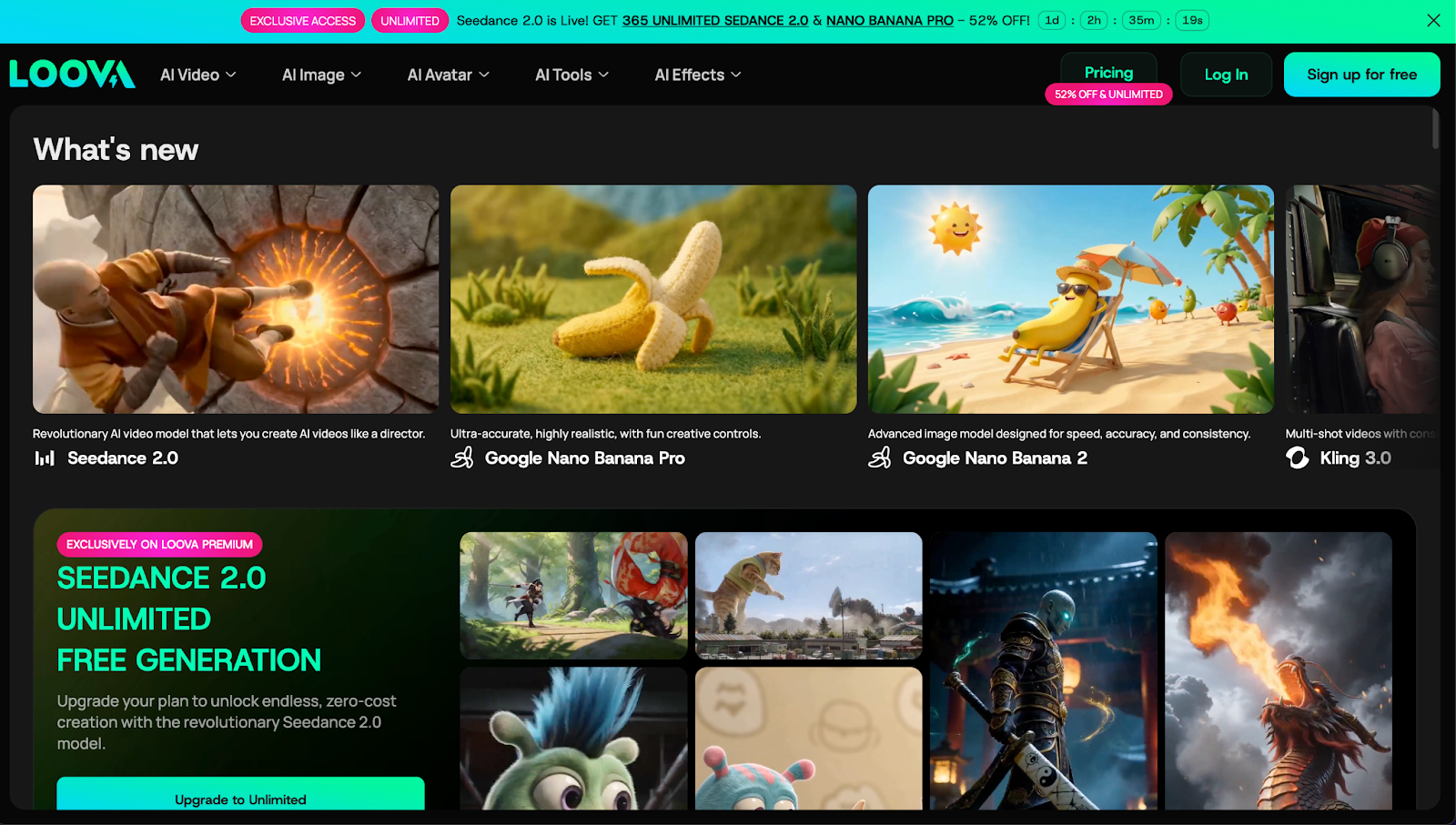
Platforms like Loova make this easier because they combine generation and editing in one place.
This approach removes:
- Freelancer coordination
- Back-and-forth revisions
- Long turnaround times
Shorter Time to Market
Speed is money for startups.
If it takes three weeks to launch a campaign, you lose momentum.
AI video reduces production time from weeks to days.
You react to:
- Market trends
- Product updates
- Competitor moves
without scheduling a shoot.
Time savings translate directly into financial savings.
Real Startup Use Cases
Let us move from theory to practical use.
SaaS Product Demo Videos
Instead of filming a team member, startups can:
- Generate UI animations
- Create feature highlight scenes
- Build explainer visuals
AI tools can animate product mockups.
No studio needed.
Paid Social Ad Creatives
Paid ads require constant variation.
With AI video, startups can create:
- Different hooks
- Different backgrounds
- Different visual styles
You test fast. You cut losers fast.
That protects ad budget.
Landing Page Explainers
Short explainer videos improve conversion rates.
Instead of paying thousands for animation studios, startups can:
- Generate simple explainer visuals
- Use AI avatars
- Create motion graphics
This lowers cost while keeping professional output.
Founder-Led Content at Scale
Founder videos build trust.
But recording daily content is time-consuming.
AI avatar tools allow:
- Script-to-video creation
- Consistent background
- Controlled messaging
This saves filming time.
Example Monthly Cost Comparison
Let us compare rough numbers.
Traditional Video Model
- Agency retainer: $8,000
- Extra revisions: $1,500
- Ad variations: $2,000
Total: Around $11,500 per month
AI Video Model
- AI platform subscription: $50 to $300
- Light editing tools: $20 to $100
- Internal team time: Already salaried
Total: Often under $500 per month
Even if you add premium tools, you are far below $10,000.
Savings can easily reach five figures.
Best AI Video Tools for Startups
Not all AI tools are equal.
Here are strong options.
Loova
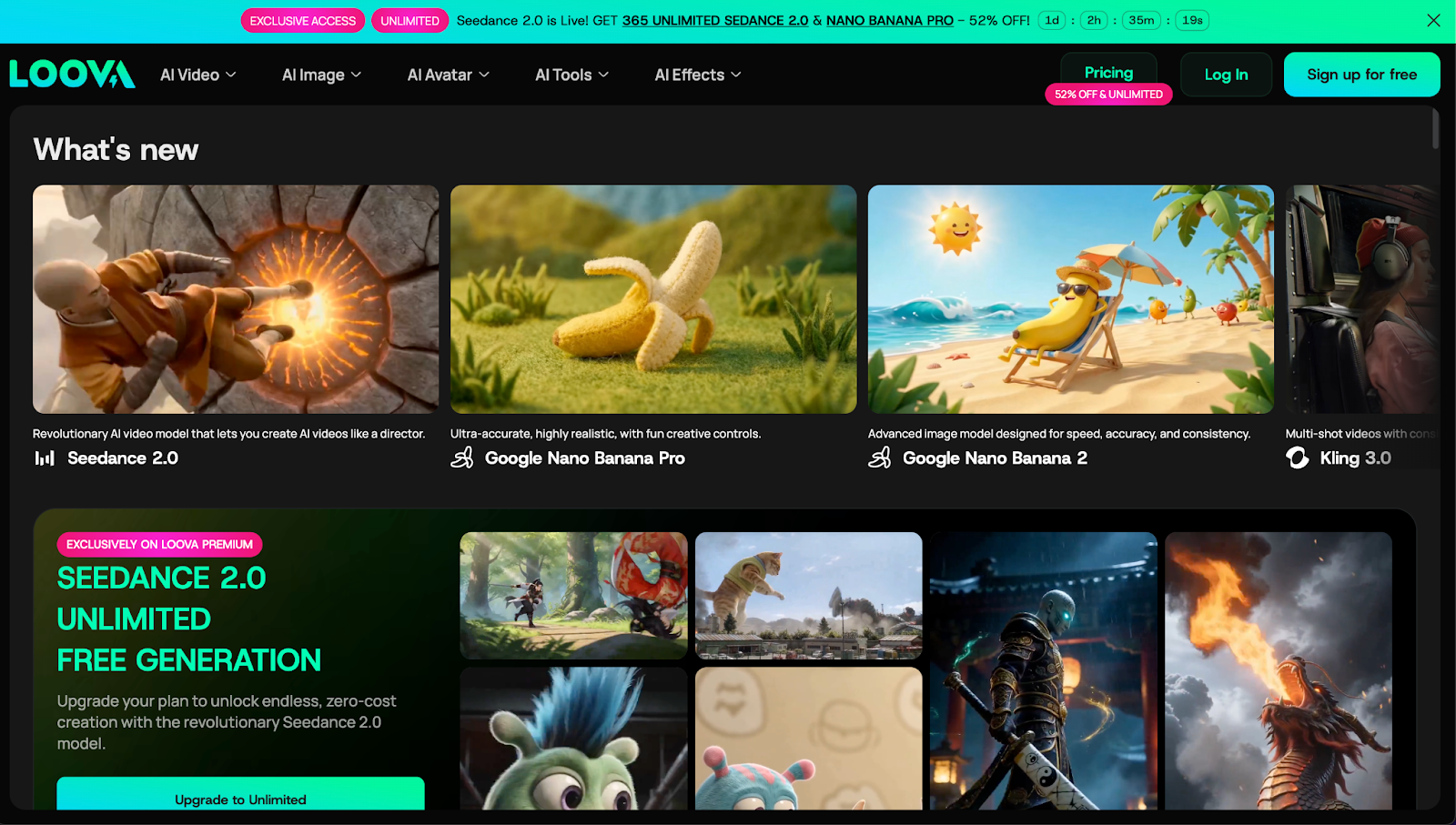
Loova combines:
- Image-to-video
- Text-to-video
- Editing tools
- Multi-model support
It works well for marketing teams that need speed and variation.
Because generation and editing sit in one platform, workflow is simple.
Runway
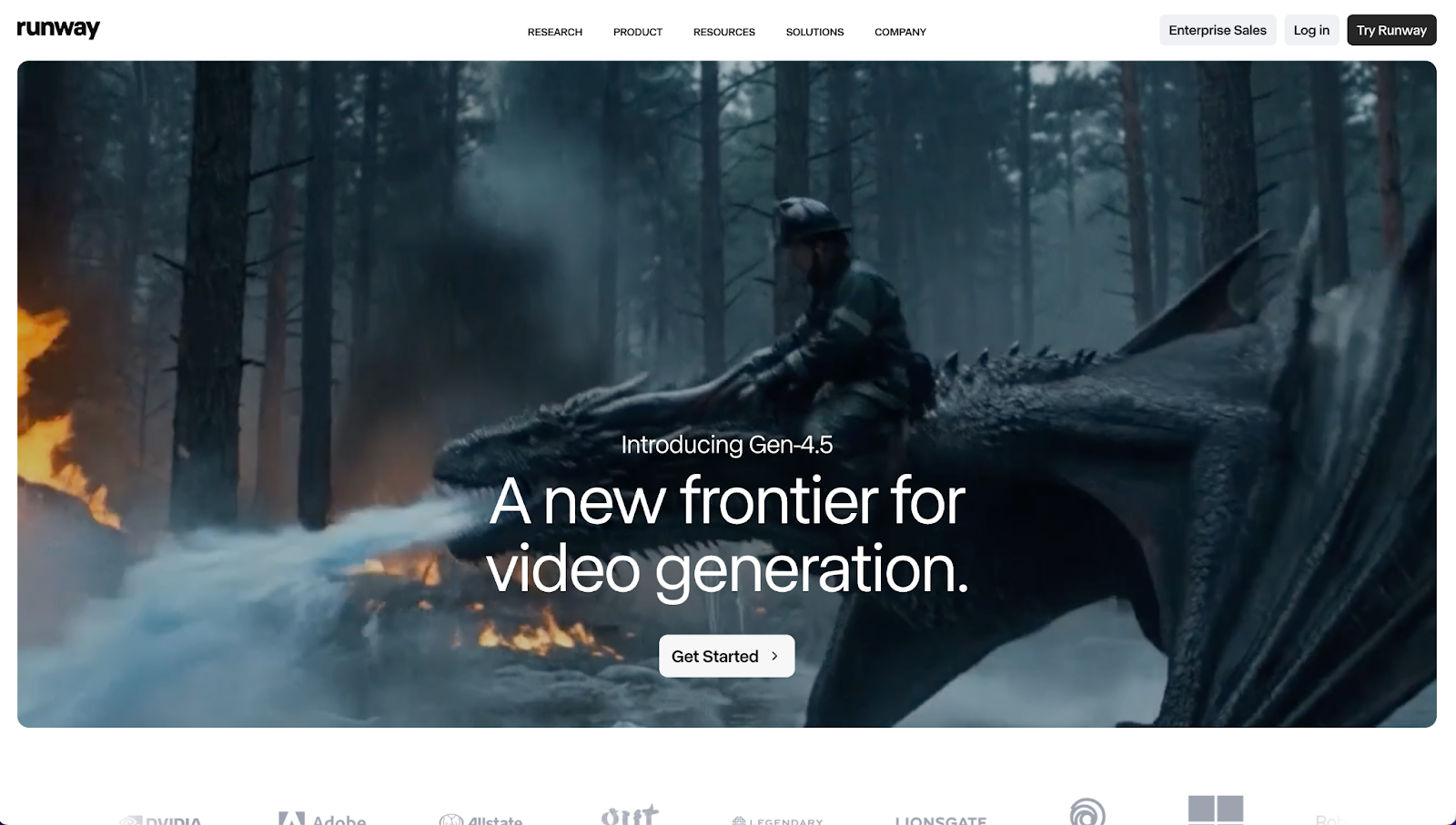
Runway offers:
- High-quality motion
- Cinematic visuals
Good for startups that prioritize visual polish.
Pika
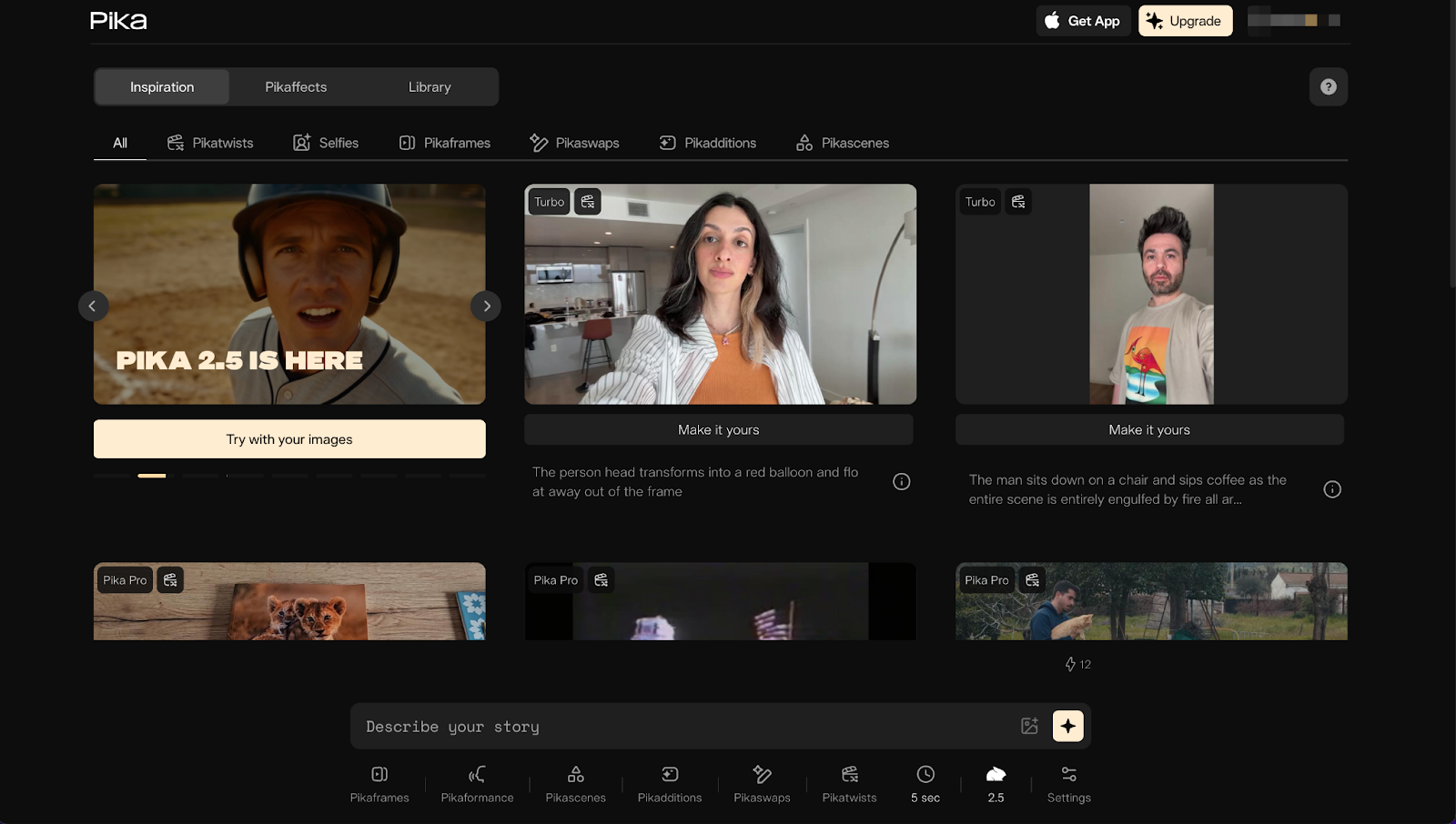
Pika is fast and simple.
Good for:
- Short-form social content
- Quick experiments
Synthesia
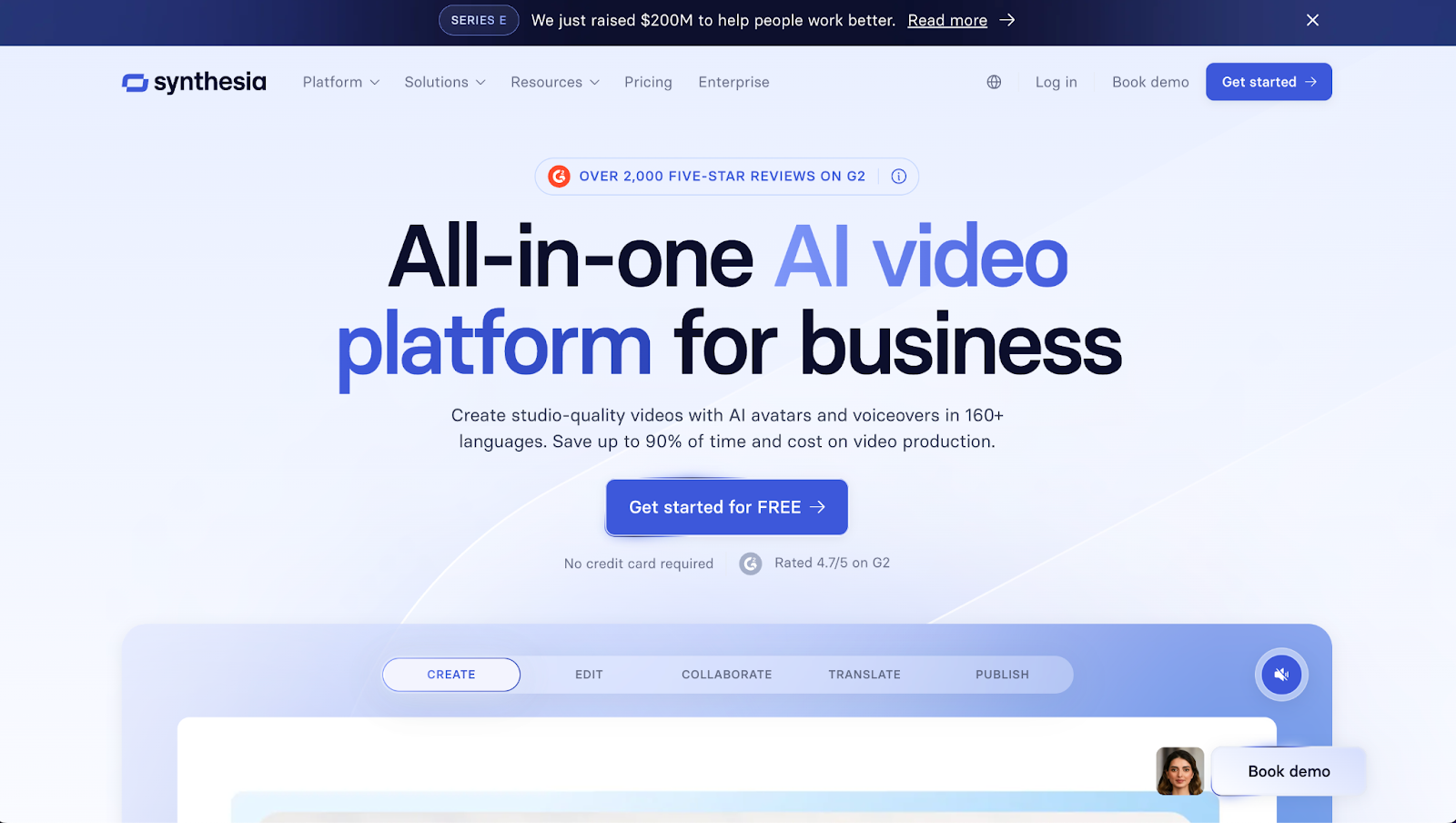
Synthesia focuses on AI avatar videos.
Useful for:
- Training videos
- Product walkthroughs
- Internal communication
Step-by-Step: How to Transition to AI Video
If you want real savings, follow a structured plan.
Step 1: Audit Current Video Costs
List:
- Agency fees
- Freelancer payments
- Ad creative expenses
- Equipment subscriptions
Know your real monthly number.
Step 2: Identify Repeatable Content
Look for:
- Ad creatives
- Demo videos
- Social posts
These are easiest to move to AI.
Step 3: Start With Ads
Paid ads are perfect for AI testing.
You already need variations.
Replace filmed ads with AI-generated versions first.
Measure performance.
Step 4: Build Internal Workflow
Assign:
- One team member to prompt creation
- One to review outputs
- One to handle publishing
Keep it simple.
Step 5: Track ROI
Measure:
- Production cost before
- Production cost after
- Ad performance
If performance stays stable and cost drops, savings are real.
Risks and Limits
AI video is powerful, but it has limits.
- Complex cinematic storytelling still requires advanced editing
- Brand consistency needs attention
- Prompt quality affects output
The solution is not blind automation.
The solution is smart integration.
Is $10K per Month Savings Realistic?
It depends on your starting point.
If you use agencies heavily, yes.
If you already operate lean with freelancers, savings may be smaller but still meaningful.
The more video volume you produce, the more AI reduces cost.
Why This Shift Matters Now
Startups compete on speed.
The faster you test, the faster you grow.
AI video is not just about cost cutting.
It is about:
- Testing more ideas
- Launching faster
- Reducing operational drag
Lower cost increases runway. More runway increases survival. That is what matters most.
FAQs
Can AI video really replace a production team?
For marketing ads and product demos, yes in many cases. For large cinematic productions, partial replacement is more realistic.
How much do AI video tools cost per month?
Most platforms range from $20 to a few hundred dollars per month depending on usage.
Is AI video quality good enough for paid ads?
Yes. Many startups already use AI-generated ads successfully. Performance depends more on messaging than ultra-high production quality.
What type of startups benefit most?
SaaS, e-commerce, and digital product startups benefit most because they need constant ad variation and demo content.
How long does it take to learn AI video tools?
Basic usage can take a few days. Advanced control improves with practice.
Does AI video reduce marketing ROI?
If used properly, it often improves ROI because testing cost drops while creative volume increases.