
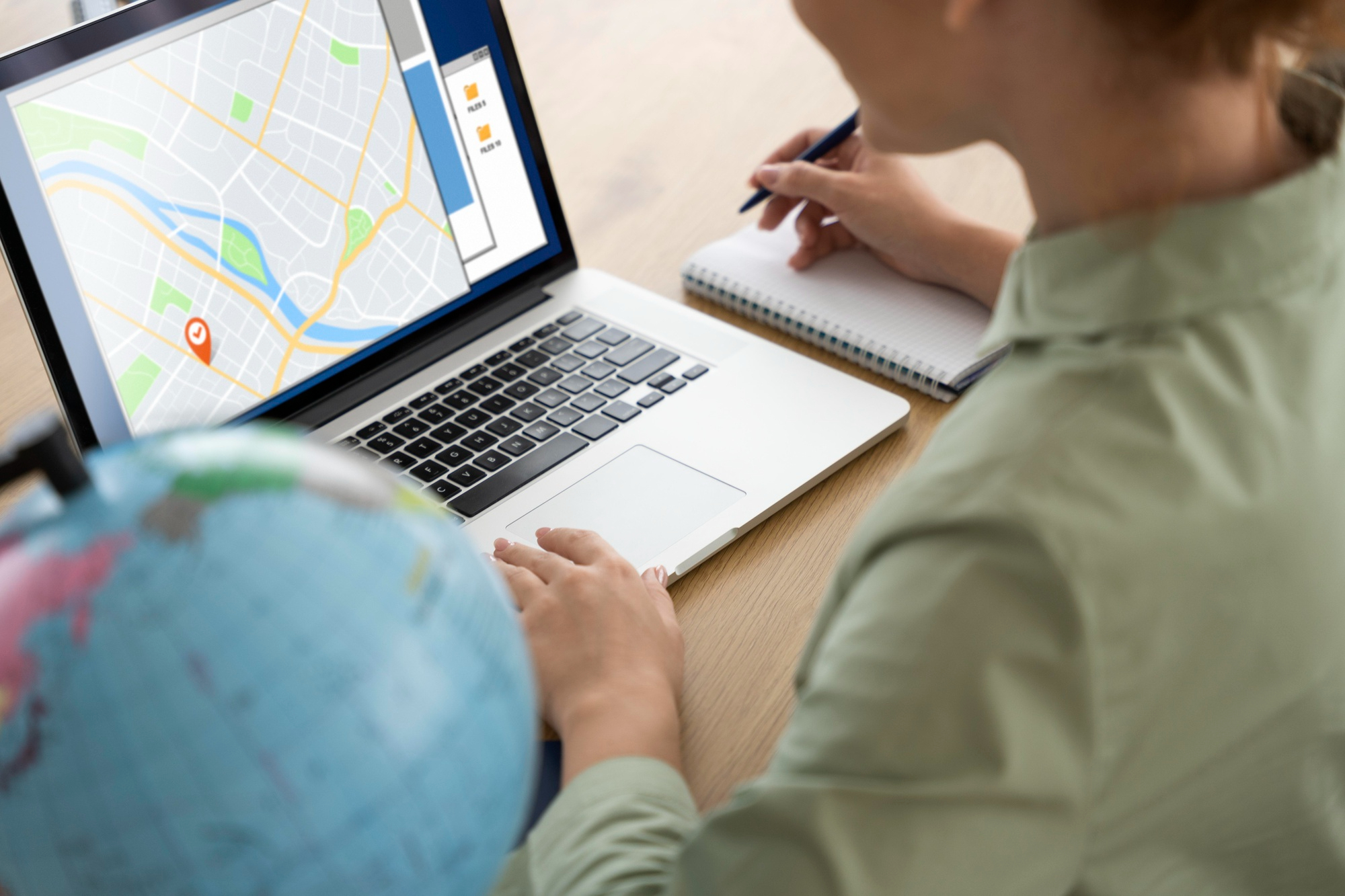

Customer behavior analysis is extremely important to a business in this digital transformation era. When you combine this data with location, it can be a potent analytics tool for understanding consumer behavior in terms of its locational consistency. This spatiotemporal technology that collects and interprets data associated with certain locations has the potential for innovation and significant growth across diverse sectors.
Understanding Location Data Analytics
Location data analytics is the collection, analysis, and interpretation of data related to geographical locations. Such data is often obtained through mobile devices, GPS units, and other location-based technologies. Knowing where customers flock to, how long they spend there, and watching them travel to those destinations helps businesses understand consumer tastes and habits.
This means a business can plot its data on maps, which makes it easier to get a detailed overview, like where your consumers are clustered based on some common points of interest. For example, retailers can find out which store locations have the highest foot traffic and change their marketing strategy. Simply put, location data analytics converts bare geographical information into a tool that yields insights.
Making Customer Experiences Better
The main benefit of location data is improving customer experience. With insights about customer whereabouts and behavior, organizations can better personalize their offerings to fit consumer demands. For example, personalized marketing can help boost engagement and loyalty if location history-based promotions are adopted.
For instance, restaurants can utilize location data to dispatch offers for interested customers in the vicinity, luring them to visit. In the same way, retail locations may best store product placement and stock based on demand trends in a local area so that customers find what they want when they need it. Such high personalization not only enhances customer satisfaction but also helps to build brand loyalty.
Optimizing Operations
Location data analytics is also essential for the ever-growing optimization of business operations. If geographic data can be analyzed, companies can optimize supply chains, reduce costs, and save time. As an example, location data can help logistics companies in routing their deliveries in such a way that they consume less fuel and take less time for delivery.
Also, if the data is clear, with customers clustered in a few areas, service providers can better allocate the resources they provide based on demand. This helps manage the workforce more effectively, using insight into demand in various regions to staff appropriately. In the end, it results in better service quality and operational efficiency.
Influencing Strategic Choices
Location data can power critical business decisions. Trends and patterns analysis help companies discover new market opportunities and expand more informedly. For example, a retail chain could identify optimal jurisdictions for opening new stores by analyzing customer count and expenditure patterns across different regions.
Furthermore, businesses can analyze location-based data to measure the effectiveness of a marketing campaign. Knowing what regions respond best to particular promotion types helps firms spend their resources wisely. Its data-backed method makes it more prone to work towards desired outcomes.
Protecting Privacy and Compliance
Location data analytics is useful, but privacy and compliance need to be addressed. Companies should never compromise consumer data while adhering to regulatory areas that only increase relevance by treating consumers as expendable units. This is where strong data protection controls and clear privacy policies come into play.
Industry defenders should batch anonymize information to protect individual identities while acquiring valuable knowledge. You will win over consumer trust and confidence by explaining your data collection process and how it is used.
Location Data Analytics Are Here to Stay
As technology evolves, the potential of location data analytics continues to expand. Integrating artificial intelligence and machine learning enhances the accuracy of insights and uncovers deeper patterns in geographic data. These advancements will make analytics more sophisticated, helping businesses gain a sharper edge and stay ahead of market trends through smarter, faster decision-making grounded in real-time location intelligence.
Adopting these innovations will help businesses keep pace in a rapidly changing landscape. Location data analytics creates additional paths for growth, better customer experiences, and streamlined operations within companies. This means that those who leverage this weapon with the utmost efficacy will certainly rise to the helm of their respective fields.
Conclusion
Location data analytics is one of the most powerful drivers of business growth. Geographic information enables organizations to provide more customer-centric experiences, drive operational efficiencies, and make better strategic decisions. While they certainly won’t change the fact that privacy and compliance are still a must, this new method will have its upsides. With digital transformation becoming the norm for businesses, location data analytics will become an integral part of commerce in the future.

