

Digital communication has become one of the foundations of modern business. From running online stores to managing remote teams and customer support, companies now rely heavily on mobile connectivity and cloud-based communication tools. Traditional SIM cards and single phone numbers are often too limited for businesses that operate across borders, use multiple platforms, or need more flexibility in how they manage communication. This is where eSIM technology and virtual phone numbers are becoming increasingly important.
Both tools represent a shift toward more flexible, software-driven communication systems. Instead of being tied to physical SIM cards and fixed phone lines, businesses can manage mobile connectivity and phone numbers digitally. This approach makes it easier to scale operations, protect privacy, and adapt quickly to changing communication needs.
For example, companies that use a temp phone number for account verification, marketing tests, or short-term projects can avoid exposing their main contact details while maintaining full communication functionality. When combined with eSIM technology, this creates a powerful setup that supports mobility, security, and operational efficiency.
What Is an eSIM?
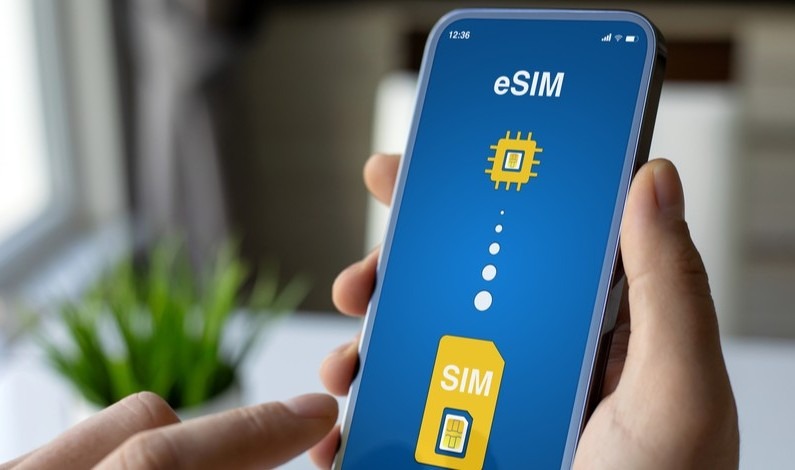
An eSIM, or embedded SIM, is a digital version of the traditional SIM card that is built directly into a device. Instead of inserting a plastic card, users download a mobile network profile from a provider like Simify or Holafly and activate it through their device settings. Once installed, the eSIM works just like a physical SIM by connecting the device to a cellular network for data, calls, and messages.
From a business perspective, eSIM simplifies mobile connectivity. Teams can activate or switch networks remotely, without shipping SIM cards or visiting local stores. This is particularly useful for international teams, logistics operations, and companies that deploy devices at scale, such as tablets or IoT hardware.
eSIM also supports multiple profiles on one device. This means employees can separate business and personal connectivity, or switch between regional networks when traveling, without swapping physical cards.
What Is a Virtual Phone Number?
A virtual phone number is a number that exists in the cloud rather than on a physical SIM card or landline. Calls and messages sent to this number are routed through internet-based systems and can be accessed on phones, computers, or specialized apps. The number itself is not tied to a specific device or location.
For businesses, virtual numbers are extremely useful. They allow companies to:
- Create separate numbers for departments or campaigns
- Maintain local presence in different countries
- Protect personal phone numbers
- Manage communication from a centralized platform
Virtual phone numbers are often used in customer support, marketing, and user verification systems. They also make it easier to track communication performance and manage multiple channels without investing in traditional phone infrastructure.
Why Businesses Are Adopting These Technologies
The main reason businesses are turning to eSIM and virtual phone numbers is flexibility. Traditional telecom systems were designed for fixed locations and single-use devices. Today’s businesses need systems that adapt quickly to growth, remote work, and international operations.
These technologies offer:
- Faster setup and deployment
- Lower dependency on physical infrastructure
- Easier scalability
- Improved data and communication management
They are especially valuable for startups, e-commerce businesses, and distributed teams that need agile communication systems without long-term telecom contracts.
eSIM and Virtual Numbers in E-commerce
E-commerce businesses often need to operate across multiple regions and platforms. eSIM allows store managers and support teams to stay connected while traveling or working remotely. Virtual phone numbers make it possible to provide localized customer support lines without opening physical offices.
For example, an online shop can use:
- A virtual number for customer service
- Another for SMS order confirmations
- Another for marketing campaigns
At the same time, employees can use eSIM-enabled devices to stay connected globally without juggling multiple SIM cards.
Supporting Remote Teams
Remote and hybrid work environments benefit greatly from these technologies. Virtual numbers allow companies to create unified communication channels that follow employees regardless of their physical location. eSIM allows workers to stay connected even when moving between countries or changing carriers.
This flexibility helps businesses maintain consistent communication standards while reducing dependency on location-based telecom services.
Improving Workflow Efficiency
Communication tools are an important part of workflow automation. When integrated with business systems, virtual numbers can:
- Trigger CRM updates
- Route calls to the correct department
- Store call records automatically
- Support chatbots and verification systems
eSIM makes sure devices used in these workflows stay connected reliably.
This approach aligns well with workflow optimization strategies discussed in Flowster’s guide on productivity and automation, such as in their article on how workflow automation improves team efficiency:
https://flowster.app/workflow-automation-for-beginners-secrets-to-success/
Key Advantages Over Traditional Systems
Compared to physical SIM cards and fixed phone numbers, these technologies provide:
- Mobility: Employees can work from anywhere
- Scalability: New numbers and profiles can be added instantly
- Cost control: No need for excessive hardware or shipping
- Security: Easier separation between personal and business communication
- Management: Centralized control of communication systems
This makes them ideal for modern businesses that rely on speed and adaptability.
Common Business Use Cases
Some typical applications include:
- Account verification systems using virtual numbers
- International customer support lines
- Temporary marketing campaigns
- Freelancers managing multiple clients
- SaaS platforms needing SMS authentication
- Field teams using eSIM-enabled devices
These use cases show how digital communication tools can support both operational efficiency and user experience.
A Neutral Look at Providers in the Market
Several platforms offer eSIM services and virtual phone number solutions. These examples are provided for informational purposes only:
- eSIM Plus – Focuses on providing downloadable eSIM profiles for mobile connectivity across different regions.
- Airalo – Offers eSIM data plans for travelers and remote workers.
- Twilio – Provides programmable virtual phone numbers and communication APIs for businesses.
- Google Fi – Integrates eSIM technology with its mobile network services.
- TextNow – Offers virtual numbers for messaging and calling via mobile apps.
Each platform addresses different needs, from global data access to enterprise-level communication systems.
Things to Consider Before Adopting
Before using eSIM and virtual phone numbers, businesses should evaluate:
- Device compatibility with eSIM
- Internet reliability for virtual number usage
- Legal and compliance requirements in target regions
- Data security and storage policies
- Integration with existing systems
Not all services work equally well in every country, so testing and research are important.
Security and Privacy Considerations
While these technologies improve flexibility, they also require careful security management. Virtual numbers can reduce exposure of personal phone numbers, but businesses must still ensure secure authentication, encrypted communication, and controlled access to management platforms.
eSIM profiles should be managed through trusted providers, and devices should be protected with strong authentication to prevent unauthorized use.
Tips for Smart Implementation
To get the most from eSIM and virtual phone numbers:
- Start with a small pilot project
- Choose providers that offer transparent policies
- Document communication workflows clearly
- Train staff on secure usage
- Monitor performance and usage regularly
These steps help ensure that digital communication tools support business goals instead of adding complexity.
Final Thoughts
eSIM and virtual phone numbers are no longer experimental technologies. They are practical tools that support modern business operations, especially in areas like e-commerce, remote work, marketing, and software development. By removing dependence on physical SIM cards and fixed phone lines, they give businesses the flexibility to adapt quickly and operate more efficiently.
When implemented thoughtfully, these tools can simplify communication, improve security, and support scalable growth. For companies focused on automation, productivity, and digital transformation, eSIM and virtual phone numbers are becoming essential parts of a future-ready communication strategy.

