
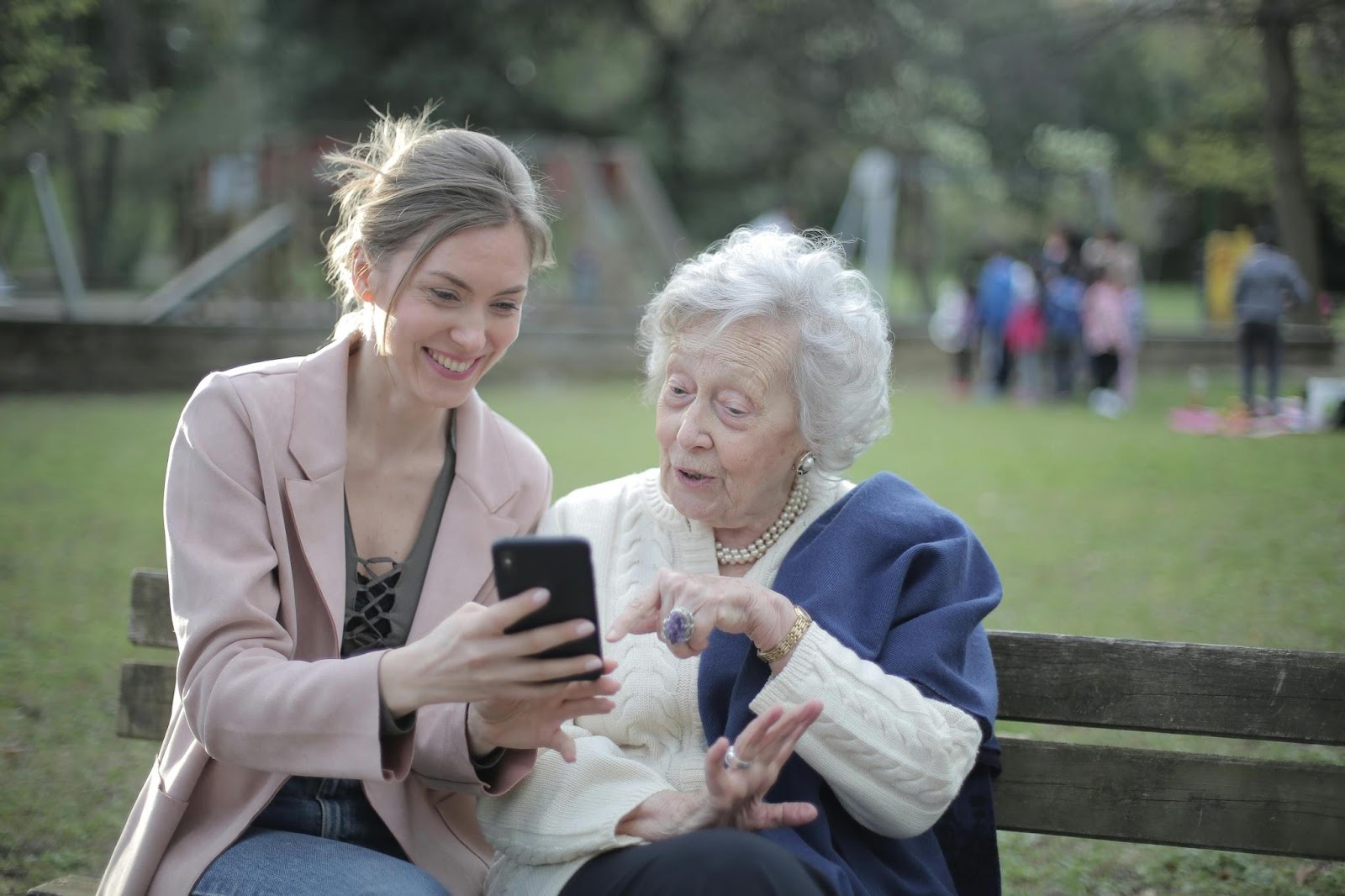

Caregiving is often seen as a personal responsibility, a labor of love performed for aging parents, relatives with disabilities, or individuals facing chronic illness. But beyond its emotional and familial value, caregiving is a professional path filled with purpose, growth, and long-term opportunity. As the population ages and healthcare needs rise, caregivers are increasingly recognized not just as helpers but as important healthcare professionals.
Whether working independently or through an agency, caregivers provide critical support that allows clients to maintain dignity, autonomy, and a better quality of life. And for the caregiver, that journey is more than a job. It’s a calling that offers connection, fulfillment, and the chance to make a lasting difference in someone’s everyday life.
Turning Compassion Into a Career Path
Many people don’t realize that caregiving can be both deeply rewarding and financially viable. Opportunities to get paid to be a caregiver have grown significantly in recent years as governments and private organizations expand programs to support home and community-based services. These roles can range from part-time personal assistance to full-time skilled caregiving, with competitive wages and flexible schedules.
Some programs even allow individuals to be compensated for caring for family members under structured care plans. This opens the door for people who are already providing unpaid care to formalize their role, receive training, and earn income while continuing to support their loved ones.
Professional caregiving roles often come with access to training, certifications, and ongoing education. These credentials increase both earning potential and job security. And because the need for caregivers spans across home care, hospice, assisted living, and even specialized clinical environments, there’s a wide range of pathways available for those looking to build a career.
Skills That Go Beyond the Job Description
Caregiving may involve tasks like helping with mobility, preparing meals, administering medication, or offering companionship, but the real value lies in the soft skills. Patience, empathy, attentiveness, and communication are the hallmarks of an effective caregiver. These are crucial for the job and transferable across a wide range of industries.
The ability to anticipate needs, navigate emotional situations, and provide consistent support gives caregivers a unique advantage in today’s relationship-driven job market. Many professionals who start as caregivers go on to pursue careers in nursing, counseling, social work, or healthcare administration, fields where emotional intelligence and firsthand care experience are invaluable.
By recognizing caregiving as a skilled profession, workers are empowered to take pride in their roles, seek advancement, and advocate for fair treatment within the larger healthcare system.
Career Growth Through Certification and Training
One of the most effective ways caregivers can elevate their careers is by pursuing certifications. Programs such as Certified Nursing Assistant (CNA), Home Health Aide (HHA), or Personal Care Aide (PCA) provide structured knowledge and credibility. These credentials open doors to higher-paying positions and equip caregivers with crucial techniques for handling medical equipment, emergency response, and specialized care tasks.
Many agencies and nonprofit organizations offer affordable or even free training for those interested in caregiving roles. Some employers provide tuition assistance or pathways to nursing school for those who want to deepen their expertise.
Investing in professional development enhances job prospects and strengthens the ability to provide higher-quality care. That, in turn, leads to more satisfied clients, better health outcomes, and a stronger professional reputation.
The Emotional Rewards of Making a Difference
While caregiving can be physically and emotionally demanding, the rewards are profound. Few careers offer such a direct and immediate impact on another person’s well-being. From helping someone regain independence after surgery to supporting seniors through their daily routines, caregivers build meaningful relationships that foster mutual trust and appreciation.
That connection, built through time, empathy, and presence, is what makes caregiving so deeply fulfilling. Knowing that your work improves someone’s life every day offers a sense of purpose that goes far beyond a paycheck. For many, this sense of purpose is what fuels long-term commitment to the profession, even through its challenges.
The Future of Caregiving Is Expanding
The demand for caregivers is expected to grow rapidly in the coming decade. According to the U.S. Bureau of Labor Statistics, employment for home health and personal care aides is projected to grow by more than 25%, much faster than the average for all occupations. This surge is driven by longer life expectancies, rising chronic health conditions, and a growing preference for aging at home.
This shift is reshaping how caregiving is valued. Policymakers, healthcare systems, and private providers are beginning to invest more in caregiver training, support, and compensation. For those entering the field today, the opportunity to shape its future is real. From becoming care coordinators to launching private home care services, the career potential is expanding alongside the need.

Caregiving isn’t just a role, it’s a profession that blends skill, compassion, and purpose into a meaningful career. As the world begins to recognize the vital contributions of caregivers, the opportunities to grow, earn, and make a difference are stronger than ever. Whether you’re starting from a place of personal experience or exploring a new path with purpose, caregiving offers a unique chance to build a fulfilling life while helping others thrive.

