
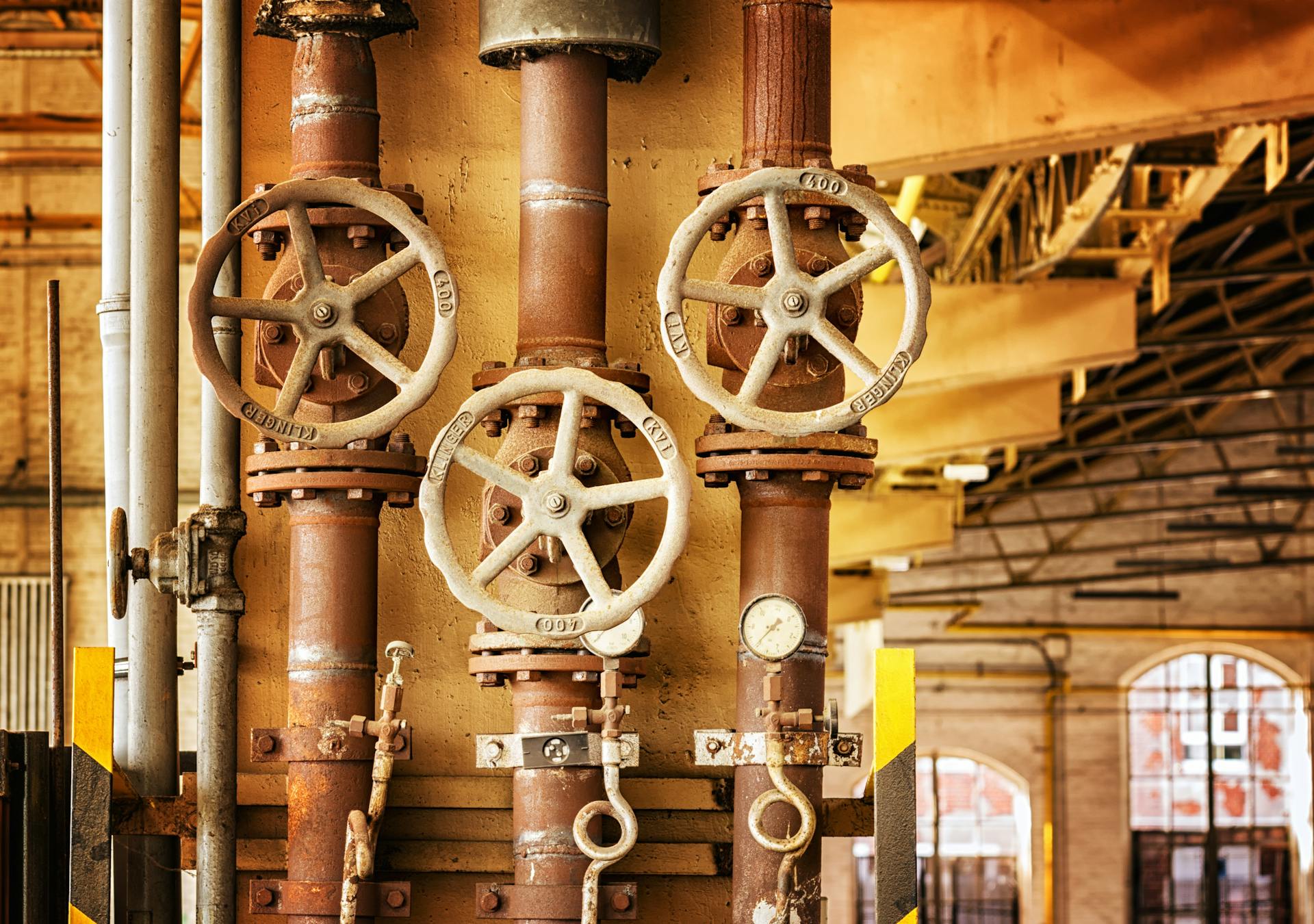

Valves are fundamental components in mechanical and industrial systems, controlling the flow of liquids, gases, and slurries. Among the many valve types available, butterfly valves stand out for their compact design, cost-effectiveness, and ease of operation.
Engineers working across industries such as water treatment, chemical processing, power generation, and food manufacturing encounter butterfly valves regularly due to their versatility. Understanding the basics of butterfly valve design, operation, and application is important for engineers who want to make informed choices about system performance and efficiency.
Comparing Butterfly Valves with Other Valve Types
Butterfly valves are often considered alongside gate valves, globe valves, and ball valves when engineers select flow-control solutions. While each type has advantages, butterfly valves are uniquely valued for their lightweight structure and ability to handle large flow volumes with relatively low pressure drops.
Their design allows them to be installed in tight spaces where bulkier valves would be impractical. For example, Ball Valves for industrial applications excel in situations where tight shutoff is required, but they are typically more expensive and heavier than butterfly valves of comparable size. Butterfly valves can provide adequate sealing and flow control at a fraction of the cost and with easier installation.
This makes them particularly attractive for large-diameter piping systems, where cost savings multiply significantly.
Core Design and Functionality
At its most basic, a butterfly valve consists of a disc mounted on a rotating shaft. When the valve is fully closed, the disc turns perpendicular to the flow, blocking passage. When open, the disc rotates to align parallel with the flow, minimizing obstruction. Intermediate positions allow for throttling, which is why butterfly valves are often used where flow regulation is just as important as shutoff.
Actuation of butterfly valves can be manual, pneumatic, or electric, depending on system requirements. Manual levers or gear operators are common for smaller installations, while larger or automated systems benefit from powered actuators. Engineers must account for torque requirements, system pressure, and frequency of operation when selecting actuation methods.
Limitations and Considerations
While versatile, butterfly valves are not always the best fit. Engineers must consider potential drawbacks, such as limited sealing capacity in high-pressure systems compared to globe or ball valves. The disc, even when fully open, remains in the flow path, which can create turbulence or pressure drops in sensitive systems.
Material selection is another important factor. The valve body, disc, and seat must be chosen to resist corrosion, abrasion, or chemical reactions based on the working fluid. For example, stainless steel or high-performance plastics may be required for aggressive chemical environments, while elastomer-lined valves are sufficient for water distribution.
Common Applications Across Industries
Butterfly valves are used across a wide range of applications due to their adaptability. Common examples include:
- Water and wastewater treatment, where large-diameter piping and low-pressure systems benefit from economical valve solutions.
- HVAC systems, for regulating chilled water or air distribution.
- Chemical processing, where materials must withstand corrosive substances.
- Food and beverage industries, with sanitary designs that meet strict hygiene requirements.
- Power plants and marine systems, where space is limited and reliability is important.
By tailoring materials and actuation to the specific environment, engineers can maximize performance and durability in these varied contexts.
Installation and Maintenance Best Practices
Proper installation and maintenance are key to ensuring butterfly valves perform reliably. During installation, alignment is critical to avoid uneven wear on the disc and seat. Engineers should confirm compatibility between the valve and adjoining flanges, as mismatched connections can lead to leaks.
Routine maintenance typically involves visual inspections, lubrication of moving parts if applicable, and periodic checks for seat or seal wear. In high-cycle applications, engineers should anticipate more frequent inspections to prevent downtime. With proper care, butterfly valves can provide many years of dependable service, even in demanding environments.
The Engineer’s Perspective on Selection
When choosing butterfly valves, engineers must weigh multiple factors, including cost, system pressure, required flow control, and material compatibility. Consulting manufacturers’ performance curves helps ensure that the valve can handle the expected flow and pressure without excessive wear. For mission-critical applications, redundancy and fail-safe actuation should be considered to minimize risks.
Butterfly valves exemplify the balance between functionality and practicality. Their wide adoption across industries reflects their ability to meet a diverse set of requirements without overcomplicating system design.
Butterfly valves may seem simple at first glance, but their design, functionality, and adaptability make them indispensable in industrial engineering. While not a one-size-fits-all solution, they offer clear advantages in terms of cost, space, and ease of use, particularly in large-scale applications.
By understanding how butterfly valves compare with alternatives such as ball valves, and by selecting materials and configurations carefully, engineers can ensure long-term system efficiency and reliability.
For engineers, mastering the basics of butterfly valves is not just about knowing how they work, it’s about recognizing where and when they deliver the most value. This knowledge is key to designing systems that balance performance, safety, and cost-effectiveness.