
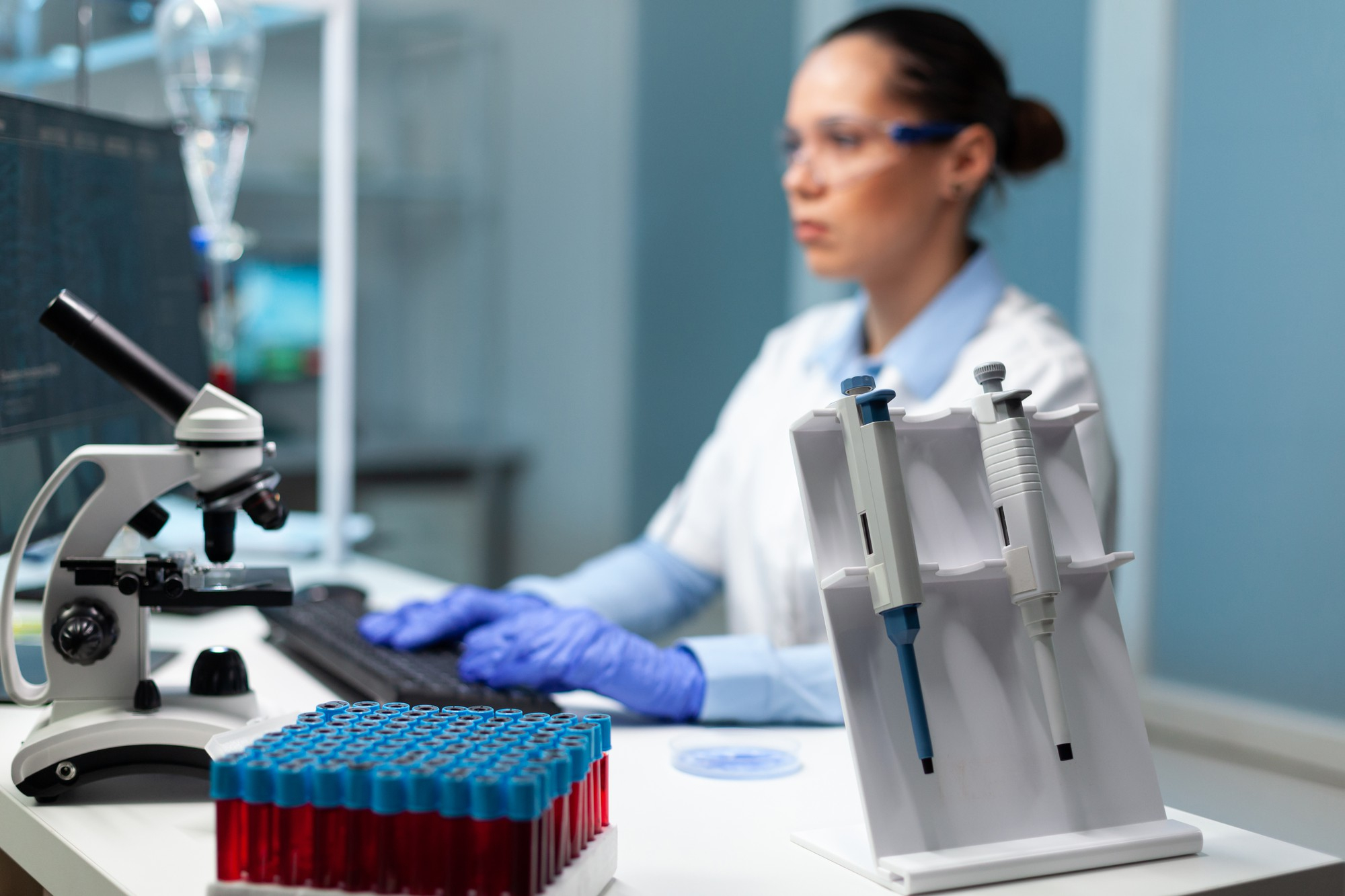

For much of modern medicine, a pathologist’s tools have been simple: glass slides, microscopes, and careful eyes. Every diagnosis depended on patience and precision. That process is changing. Artificial intelligence is now part of the lab environment, helping pathologists review slides, identify patterns, and reach conclusions with greater efficiency. The goal is the same, but the path toward it is faster and more reliable.
A Shift to Digital Workflows
Digital pathology began as a practical way to archive and share slides. Once images became digital, they could also be analyzed by software built to find details the human eye might overlook. Pathologists now study high-resolution images on screens instead of microscopes, opening the door to AI-assisted analysis.
AI acts as an additional reviewer. It can highlight irregularities, compare them to extensive image libraries, and calculate confidence levels for potential findings. The human expert still determines the diagnosis, but the process of scanning and sorting slides takes far less time.
Faster Results Without Cutting Corners
Speed matters in pathology. Every slide represents a person waiting for clarity about their condition. Traditional reviews can take days because slides must be prepared, reviewed, verified, and signed out. AI helps shorten that wait.
By reviewing slides in advance and flagging specific areas of concern, AI directs pathologists to the images that need the most attention. Instead of spending hours searching for abnormalities, they begin where it matters most. The work becomes more focused, and turnaround times improve without lowering quality standards.
Streamlined Daily Operations
A pathology lab handles thousands of specimens each month. With that volume, small errors can easily occur during labeling, scanning, or reporting. AI strengthens those systems by checking and verifying each step.
Modern software can confirm that every slide matches the right patient record, ensure image clarity, and route cases to the correct subspecialist. Some tools handle administrative tasks such as confirming uploads or requesting additional stains. These adjustments make daily work smoother and allow specialists to focus on interpretation rather than documentation.
Limiting Human Error
Every laboratory faces the risk of human error. Long hours and repetitive work can lead to mistakes. AI provides an added layer of protection.
Algorithms trained on large image sets can detect subtle variations in tissue structure, color, or density that may go unnoticed during a busy day. They also apply consistent standards to each case, reducing differences in interpretation among reviewers. The outcome is greater consistency for the lab and more confidence in the results.
Improving Collaboration and Education
AI and digital pathology have made it easier for experts to work together. A slide prepared in one location can be reviewed instantly in another. Annotations and highlights from AI software guide both pathologists to the same areas of interest.
This approach also benefits medical education. Teaching hospitals use AI-assisted slides to train residents, allowing them to compare their findings with the system’s feedback. The learning process becomes faster, clearer, and more interactive.
Turning Routine Data Into Research
Pathology labs produce enormous amounts of data, much of which has historically gone unused once reports are complete. AI allows that information to be analyzed and understood in new ways.
Machine learning can identify trends that link tissue characteristics to treatment outcomes or genetic markers. These insights help researchers develop new biomarkers, improve diagnostic accuracy, and explore how diseases progress over time. Data that once sat idle now contributes to ongoing medical discovery.
Promoting Consistency Across Labs
Two pathologists can review the same borderline case and interpret it differently. While this is part of human judgment, medicine increasingly depends on consistency. AI helps establish uniform standards.
By applying identical criteria to each case, AI ensures that similar samples receive the same level of scrutiny across hospitals and research centers. That reliability supports clinical trials, large-scale studies, and any work that depends on reproducible results.
AI in Laboratory Information Systems
Artificial intelligence is now built directly into Laboratory Information Systems, where cases are managed from accession to reporting. Integrating AI into these platforms allows analytics and automation to operate within existing workflows.
NovoPath is leading this transition. Its LIS incorporates AI tools that monitor workflow efficiency, predict turnaround times, and assist in prioritizing slides for review. The platform also automates data capture and quality checks, helping labs move toward digital systems without disrupting operations.
Clinisys, Orchard Software, Sunquest, SCC Soft Computer, and LabWare are also adding AI functionality. Their platforms focus on workload balance, decision support, and performance monitoring to improve accuracy and consistency across networks of labs.
A Natural Part of the Lab Environment
For AI to succeed in pathology, it must integrate seamlessly into everyday processes. When insights appear within the same interface pathologists already use, the technology becomes part of the background rather than an additional task.
As more labs adopt these tools, pathology continues to evolve toward a model built on accuracy, efficiency, and consistency. Artificial intelligence is not replacing the pathologist’s judgment. It is refining how that judgment is applied and helping deliver answers with greater speed and confidence.

