


The relationship between physical workspace and employee performance has never been more clearly understood. Organizations worldwide are reimagining their environments to support evolving work styles, enhance collaboration, and attract top talent. Human resources leaders now play central roles in shaping these transformations alongside facilities management and executive leadership teams.
Employee expectations have shifted dramatically following widespread remote work adoption. Workers returning to offices seek environments that justify their commute and provide experiences unavailable at home. Static cubicle farms and uninspiring meeting rooms no longer satisfy professionals who have discovered the benefits of flexible work arrangements.
Organizations investing in modern workplace solutions position themselves competitively in tight labor markets while improving productivity among existing teams. These comprehensive approaches address physical space design, technology integration, and cultural practices simultaneously. The most successful implementations create environments where employees genuinely want to spend their time rather than spaces they merely tolerate.
Why Traditional Office Design Falls Short
Conventional office layouts emerged from industrial era thinking focused on supervision and standardization. Rows of identical workstations prioritized density over employee experience or collaborative potential. These environments served organizational control objectives rather than supporting how knowledge workers actually perform their best work.
Open plan offices introduced in recent decades attempted to foster collaboration but created new problems. Constant noise, visual distractions, and lack of privacy hindered focused work. Employees developed coping mechanisms like headphones and early morning arrivals to find quiet concentration time.
Conference rooms designed decades ago fail to support current meeting styles and technology requirements. Poor acoustics, inadequate displays, and uncomfortable furniture undermine the collaborative sessions these spaces were intended to enable. Hybrid meetings connecting in person and remote participants expose these deficiencies further.
The pandemic revealed that many office tasks could be accomplished effectively from home. Organizations now must articulate clear reasons for in-person attendance beyond tradition or managerial preference. Workplaces that fail to offer distinct advantages over home offices struggle with attendance and engagement.
Core Elements of Effective Workplace Transformation
Activity-based working recognizes that different tasks require different environments. Quiet zones support focused individual work while collaboration areas facilitate team interaction. Providing variety allows employees to choose settings matching their current needs throughout each day.
Technology integration must be seamless and intuitive throughout modern workplaces. Video conferencing capabilities in every meeting space support hybrid collaboration without technical frustration. Booking systems for desks and rooms eliminate confusion while generating valuable utilization data.
Biophilic design principles incorporate natural elements that improve wellbeing and cognitive function. Plants, natural light, water features, and organic materials create calming environments. Research consistently demonstrates productivity and satisfaction improvements in biophilic spaces.
Acoustic management addresses one of the most common workplace complaints. Strategic material selection, sound masking systems, and thoughtful space planning reduce noise disruption. Employees can concentrate effectively without retreating to isolation or working from home.
The Human Resources Role in Workplace Strategy
HR professionals bring an essential employee perspective to workplace planning processes. Understanding workforce demographics, work styles, and preferences informs design decisions. This insight prevents investments in spaces that look impressive but fail to support actual work patterns.
Change management expertise proves crucial during workplace transitions. Moving to new environments or redesigning existing spaces disrupts established routines and expectations. HR teams guide employees through these changes while addressing concerns and resistance.
Policy development must align with new workplace designs. Flexible seating arrangements require clear guidelines about personal belongings and space etiquette. Remote work policies should complement rather than conflict with investments in physical workspace.
Ongoing feedback collection helps organizations refine workplace strategies over time. Employee surveys, utilization data, and informal conversations reveal what works and what needs adjustment. Continuous improvement approaches yield better results than static implementations.
Supporting Hybrid Work Models
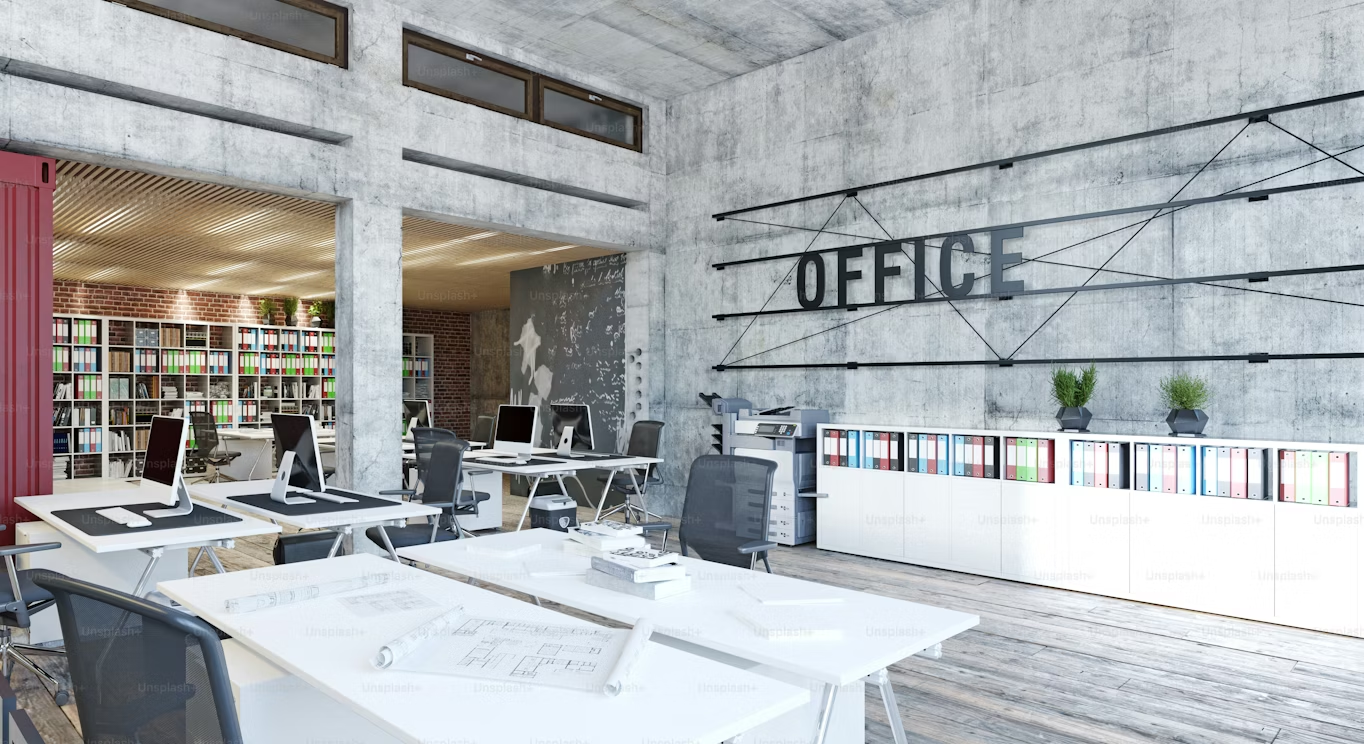
Hybrid arrangements combining remote and in-office work have become standard expectations for many roles. Workplace design must accommodate fluctuating daily attendance rather than assuming consistent presence. Flexible configurations adapt to varying occupancy levels throughout each week.
Collaboration days bring teams together intentionally for activities benefiting from in-person interaction. Workplace design should support these intensive collaboration sessions with appropriate spaces and technology. Individual-focused work can often happen more effectively at home.
Equity between remote and in-office participants requires thoughtful attention. Meeting rooms designed for hybrid sessions ensure remote attendees see and hear clearly. Cultural practices should prevent in-office employees from gaining unfair advantages in visibility or influence.
Technology supporting seamless transitions between locations enables truly flexible work. Cloud-based systems, virtual desktop infrastructure, and consistent communication platforms allow work to happen anywhere. Employees should experience minimal friction when moving between home and office.
Wellness Integration in Workplace Design
Physical wellness support extends beyond traditional gym facilities. Sit stand desks, walking paths, and active furniture encourage movement throughout the workday. Stairwell design can make climbing stairs more appealing than waiting for elevators.
Mental wellness considerations influence space planning decisions. Quiet rooms for decompression, meditation spaces, and access to nature support psychological health. Reducing environmental stressors like noise and crowding prevents cumulative mental fatigue.
Social wellness depends on spaces facilitating informal connection. Cafe areas, comfortable lounges, and outdoor gathering spots enable relationship building. These interactions strengthen team cohesion and organizational culture in ways formal meetings cannot replicate.
Nutritional wellness improves when workplaces offer healthy food options conveniently. Cafeterias emphasizing fresh ingredients, accessible water stations, and alternatives to vending machine snacks support better choices. Small environmental changes can shift eating behaviors significantly.
Measuring Workplace Effectiveness
Utilization metrics reveal how employees actually use different spaces. Sensor data and booking system analytics show which areas see heavy use and which sit empty. This information guides future investments and configuration adjustments.
Employee satisfaction surveys capture the subjective experience of workplace environments. Regular pulse surveys track sentiment over time and identify emerging concerns. Comparing results across locations or departments reveals best practices and problem areas.
Productivity metrics, while challenging to isolate from other factors, provide an important perspective. Tracking output quality and quantity before and after workplace changes demonstrates business impact. Correlating productivity with space utilization patterns reveals optimal configurations.
Retention and recruitment data connect workplace quality to talent outcomes. Exit interview questions about the work environment identify workplace factors in departure decisions. Candidate feedback reveals how office tours influence acceptance rates.
Implementation Strategies for Success
Pilot programs test new approaches before full-scale deployment. Converting one floor or department to new configurations allows learning and adjustment. Successful pilots build organizational confidence for broader transformation.
Employee involvement throughout planning increases adoption and satisfaction. Design workshops, surveys, and feedback sessions give workers a voice in shaping their environments. People support changes they helped create more readily than those imposed upon them.
Phased implementation manages disruption while building momentum. Completing transformations in stages allows organizations to learn and adjust throughout the process. Quick wins early in implementation build enthusiasm for subsequent phases.
Communication throughout transformation keeps employees informed and engaged. Explaining the rationale behind changes helps people understand decisions they might otherwise question. Regular updates maintain the connection between workers and ongoing projects.
Future Trends Shaping Workplace Evolution
Artificial intelligence will increasingly personalize workplace experiences. Smart building systems will learn individual preferences for lighting, temperature, and noise levels. Predictive analytics will optimize space allocation based on anticipated needs.
Sustainability requirements will influence materials, systems, and operations. Net zero carbon goals will drive energy efficiency investments and renewable power adoption. Employees increasingly expect employers to demonstrate environmental responsibility through facility choices.
Health and safety considerations heightened during the pandemic will persist. Air quality monitoring, touchless systems, and cleaning protocols have become expected standards. Future health concerns will find workplaces better prepared to respond quickly.
Flexibility will continue increasing as organizations recognize diverse employee needs. One size fits all approaches will give way to customizable experiences. Technology will enable personalization at scale across large employee populations.
Taking Action on Workplace Transformation
Assessing current workplace effectiveness provides baseline understanding for improvement efforts. Honest evaluation of existing spaces identifies strengths to preserve and weaknesses to address. Employee input ensures assessments reflect actual experience rather than assumptions.
Defining clear objectives guides decision making throughout transformation processes. Whether prioritizing collaboration, wellness, sustainability, or talent attraction, explicit goals focus investments appropriately. Multiple objectives require careful balancing and prioritization.
Partnering with specialists accelerates progress and improves outcomes. Workplace strategy consultants, architects, and technology integrators bring expertise most organizations lack internally. These partnerships supplement rather than replace internal leadership and employee involvement.
Committing to ongoing evolution rather than one time projects ensures continued relevance. Workplace needs will continue changing as work itself evolves. Organizations embracing continuous improvement will adapt successfully while others fall behind.
The workplaces we create today shape how employees experience their professional lives. Thoughtful design, strategic technology integration, and genuine attention to human needs yield environments where people thrive. HR leaders championing these transformations contribute meaningfully to organizational success and employee wellbeing alike.