


Getting an investment visa approved takes more than capital. It takes clean paperwork, clear timelines, and proof that your funds came from lawful sources. The right prep will keep your file organized and reduce the chance of delays.
Think of your application as a story told with documents. Every exhibit should support the facts you present on your forms. When you plan your paper trail early, you avoid last-minute scrambles that can trigger requests for evidence.
Gather Identity And Civil Records
Start with passports, birth certificates, and any name change records. If you have been married or divorced, collect those certificates and related court orders. Make sure names and dates match across all records.
If a certificate is unavailable or contains errors, get a replacement or official letter from the issuing authority. A notarized affidavit may help fill small gaps, but use it to explain and not to replace. Keep scans in high resolution and label files consistently.
Police clearances and past immigration documents also matter. If you have visas or entries in multiple countries, track them in a simple log. It helps officers follow your travel history without guessing.
Track Your Investment And Fund Flow
Your file should trace every dollar from the original source to the final project account. Bank statements, wire receipts, and exchange records must connect in a straight line. Keep a simple index so a reviewer can jump from one document to the next without confusion.
Create short captions for each exhibit. Include the EB-5 requirements in your descriptions so reviewers can immediately see how each document supports compliance. Organize exhibits in chronological order to make the flow of funds easy to follow from source to deployment.
Document fees, taxes, and intermediary charges. When a number on a receipt does not match the deposit amount, attach a short note that explains the gap. Clear explanations prevent avoidable questions.
Choose The Right Petition And Forms
Match your filing to your investment model. Regional center investors typically use the version meant for that path, while direct investors use the standalone form. Read each form’s instructions closely before you start to avoid leaving items blank.
Confirm edition dates on every form on the same day you print. Government pages post current editions and warn when older versions are no longer accepted. Print barcoded pages cleanly and avoid smudges or stray marks that could interfere with scanning.
Check fee amounts on the same day you prepare your courier label. A government overview of the immigrant investor process has highlighted fee changes at different points in time, so you should verify the amount and pay the correct total before mailing. Include your checks or money order on top of the packet with a short cover note that lists each fee.
Verify Project And Regional Center Details
Before you wire money, verify the project company’s legal name, tax ID, and bank details. Keep a copy of the subscription agreement, offering documents, and your executed signature pages. Make sure your name is consistent with your passport across all documents.
If you invest through a regional center, collect proof of good standing and authorization. An official filing tips page points applicants to the government’s list of approved and terminated regional centers, which is a helpful snapshot to review before committing funds. Take a screenshot of your check and date it for your records, then save it in your packet.
Add the project’s job creation methodology to your file. Even if it is summarized in offering documents, keep the final version you relied on when investing. Label it so that it is easy to cite later if asked.
Prepare Evidence Of Job Creation
Direct investors should gather payroll plans, leases, and vendor quotes that support hiring projections. Operating plans and milestone charts show when roles will be added. These help connect your capital to future jobs in a practical way.
Regional center investors rely on project-level economic reports. Keep the latest version that applies to your cohort and note the input values used in the model. If the project updated its budget, make sure you have the new workbook or memo.
When jobs are created, prepare a brief status tracker. It can show what is complete, what is underway, and what depends on future milestones. This tracker becomes a living exhibit you can update for follow-on filings.
Organize Translations And Certified Copies
Translate every non-English document using a simple certification statement. The translator should affirm competence and completeness and include contact details. Put the translation immediately after the foreign document so they travel together.
Use certified copies when originals are hard to replace. Courts and registries can issue stamped copies that are acceptable for immigration purposes. Keep the receipt with the copy to show where and when it was obtained.
If your country uses different date formats, add a short note to avoid confusion. Write dates in YYYY-MM-DD format in captions to keep everything consistent. Small steps like this reduce needless back-and-forth.
Keep A Clean Timeline And Index
A clear timeline ties your story together. List key dates for source of funds events, transfers, project signings, and form signatures. Match each date to an exhibit number so the officer can verify it quickly.
Create an index at the front of your packet with sections for identity, source of funds, investment, and forms. Under each section, number exhibits and add one line description. Save the index as a standalone PDF so you can update it easily.
Back up your entire packet in at least two locations. Use clear file names like 02_SOF_2019-05-03_Salary-Bonus.pdf. Good naming saves time when you need to respond to questions.
Double Check Fees, Signatures, And Delivery
Do a final sweep for wet signatures where required. Where digital signatures are allowed, follow the exact format and include audit logs when available. If you sign twice with different versions of your name, add a short declaration that explains the variation.
Confirm the correct filing address and service center before you ship. Use a trackable courier and keep the receipt with a copy of the shipping label. Add the tracking number to your index for quick reference.
Use this brief pre-mailing checklist:
- Verify fee amounts and payment method.
- Confirm form edition dates and page counts.
- Place checks and a cover letter on top.
- Tab sections and paginate exhibits.
- Print a clean copy of the full packet for your records.
A government investor process page has emphasized that fees and some logistics can change, so same-day verification is smart. If a page shows a new edition date or filing location, adjust at once. Small corrections before mailing can prevent large delays later.
Coordinate With Dependents And Consular Steps
If family members will immigrate with you, gather their civil documents early. Track passports, birth records, and marriage documents for each person. Make sure their names appear where required in your forms.
Plan for consular processing if you will interview abroad. Keep digital copies of your confirmation pages, medical instructions, and appointment notices. A neat consular folder helps you arrive ready and calm.
Bring the right originals to your interview. Pack passports, civil records, and key financial documents that you referenced in your application. A tidy set of originals supports a smooth interview.
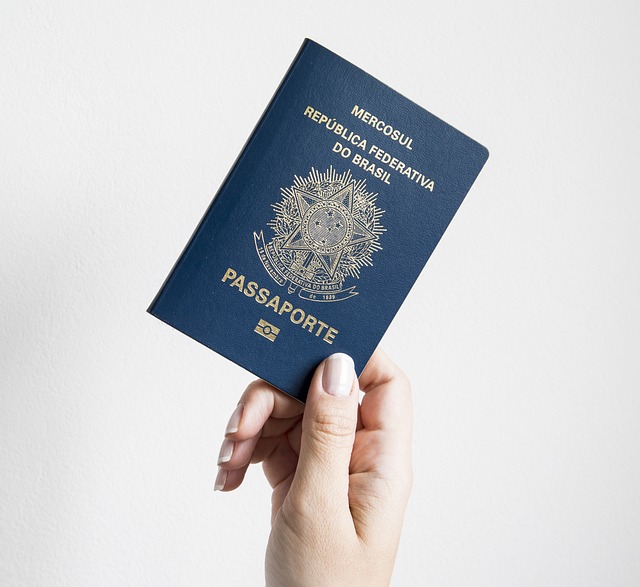
A well-prepared file tells a clear story that is easy to follow. You do not need fancy graphics to be persuasive – you need documents that line up and answer obvious questions.
Give yourself time to assemble and review your packet with fresh eyes. Good organization, steady naming, and careful captions will help your case move forward without avoidable delays.