


Home comfort today depends on more than picking a popular brand or a high number on the box. Efficiency comes from how well the equipment, the home, and daily habits work together as one system.
If those parts are out of sync, even a new gear can waste energy and struggle in extreme weather. When they align, the same system runs quieter, uses less power, and keeps temperatures steady all year.
Equipment Sizing And System Matching
Right-sized equipment is the foundation of efficiency, because an oversized unit short cycles and an undersized unit runs endlessly. Many homes end up with larger systems than they need, and that mismatch leads to uneven rooms and higher bills. To dial it in, pros use load calculations that factor in square footage, windows, insulation, and climate.
Homeowners often look for quick fixes or big upgrades. Finding energy-efficient heating services is the most effective way to right-size your system, fine-tune airflow, and keep monthly costs in check. Add a pro-led tune-up with smart controls, and you’ll save energy while keeping every room comfortable through the seasons.
Matching indoor and outdoor components matters, too, since mixed-and-matched gear can reduce seasonal efficiency ratings. A coordinated system maintains stable refrigerant pressures and delivers better humidity control, which improves comfort at higher summer setpoints. That balance reduces wear on parts and extends useful life.
Variable-Speed And Modulation
Modern compressors and blower motors can ramp up and down rather than running only at full blast or off. This flexible output keeps temperatures steady and humidity low, which reduces the need for frequent, energy-heavy cycles. The result is quieter operation and fewer hot or cold spots around the home.
Industry analysts have noted that high-quality variable-speed heat pumps are often more efficient at part load than at full load, with gains in the range of roughly 20 to 30%. That advantage shows up on mild days when the system cruises at low speed instead of sprinting to catch up. Over a full season, those gentler cycles translate into lower energy use and a more comfortable indoor feel.
Modulating gas furnaces follow a similar playbook, adjusting flame size to match demand. When the equipment steps softly, ducts stay warmer in winter and cooler in summer, which cuts waste. This approach also reduces mechanical stress, helping maintain efficiency.
Thermostats, Controls, And Everyday Use
Smart controls help align equipment operation with real-life schedules and weather. Features like adaptive recovery and geofencing trim run time without sacrificing comfort. When users set realistic temperature bands and avoid frequent manual overrides, the system runs more smoothly and wastes less energy.
Zoning can boost efficiency by conditioning only the spaces in use. With properly sized dampers and thoughtful zone design, equipment avoids fighting against closed registers or starved returns. The payoff is fewer whole-house cycles and better comfort at lower fan speeds.
A steady schedule and modest setpoint changes usually outperform aggressive daily swings. Large setbacks can backfire in very cold or hot weather, because the recovery surge erases savings. Consistency lets variable-speed systems do what they do best – sip energy while maintaining steady indoor conditions.
Refrigerant Charge, Filtration, And Humidity
A correct refrigerant charge keeps heat transfer efficient. Too much or too little charge raises pressures and temperatures in the circuit, forcing longer run times for the same output. Proper commissioning with weighed-in charge and verified superheat or subcooling preserves the system’s rated performance.
Filters affect efficiency by shaping airflow resistance. High-MERV filters can protect indoor air quality, but they must be sized for adequate surface area to avoid choking the blower. Regular changes keep static pressure in check and help the coil exchange heat effectively.
Indoor humidity is a hidden lever for comfort and energy use. In summer, lower humidity allows a higher temperature setpoint to feel the same, reducing compressor run time. In winter, preventing overly dry air helps perceived warmth and reduces the urge to overshoot the thermostat.
Climate, Loads, And Seasonal Nuance
Efficiency is not a single number, because climate and seasons shift how systems behave. Heat pumps shine in mild weather, while very low temperatures may require backup heat or a cold-climate model. In dry regions, evaporative loads are lighter than in humid areas, so the dehumidification strategy can change.
Solar gain through windows can help or hurt depending on the season and time of day. Shading, films, and insulated curtains reduce cooling demand and improve comfort near glass. In winter, passive solar gain during the day can let systems idle longer, then ramp gently as the sun sets.
Occupancy and internal loads matter, too, since people, lighting, and appliances add heat. Kitchens and home offices can skew zone loads during peak hours. Tracking these patterns helps fine-tune schedules and airflow for real-world efficiency.
Installation Quality And Ongoing Care
Even the best equipment will underperform if it is not installed and commissioned carefully. Level mounting, accurate line set lengths, and clean brazed joints prevent early failures and performance drift. Technicians should verify static pressure, temperature splits, and control logic before handing off the system.
Small maintenance habits protect efficiency over many seasons. Keep outdoor coils clear of leaves and lint, and maintain clearances for airflow around heat pumps and condensers. Inside, replace filters on schedule and ensure supply registers and returns are unobstructed by furniture or rugs.
Simple homeowner checks catch issues before they grow. Listen for new noises, notice longer run times, and watch for icing or water around the air handler. When something changes, a quick service visit can restore performance before bills climb.
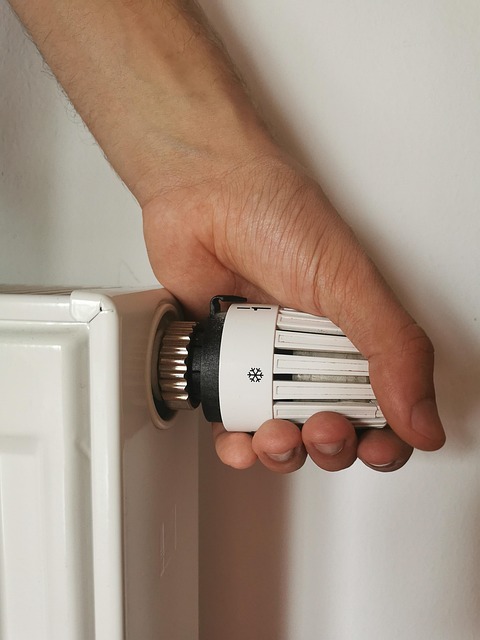
Efficiency grows from many small decisions made in the right order. When the home’s envelope, equipment, and daily habits align, comfort improves, and energy use falls naturally.
Treat heating and cooling as a system that evolves with your house, the seasons, and your routines. With steady upkeep and smart choices, modern equipment can deliver quiet comfort while keeping utility costs under control.

