
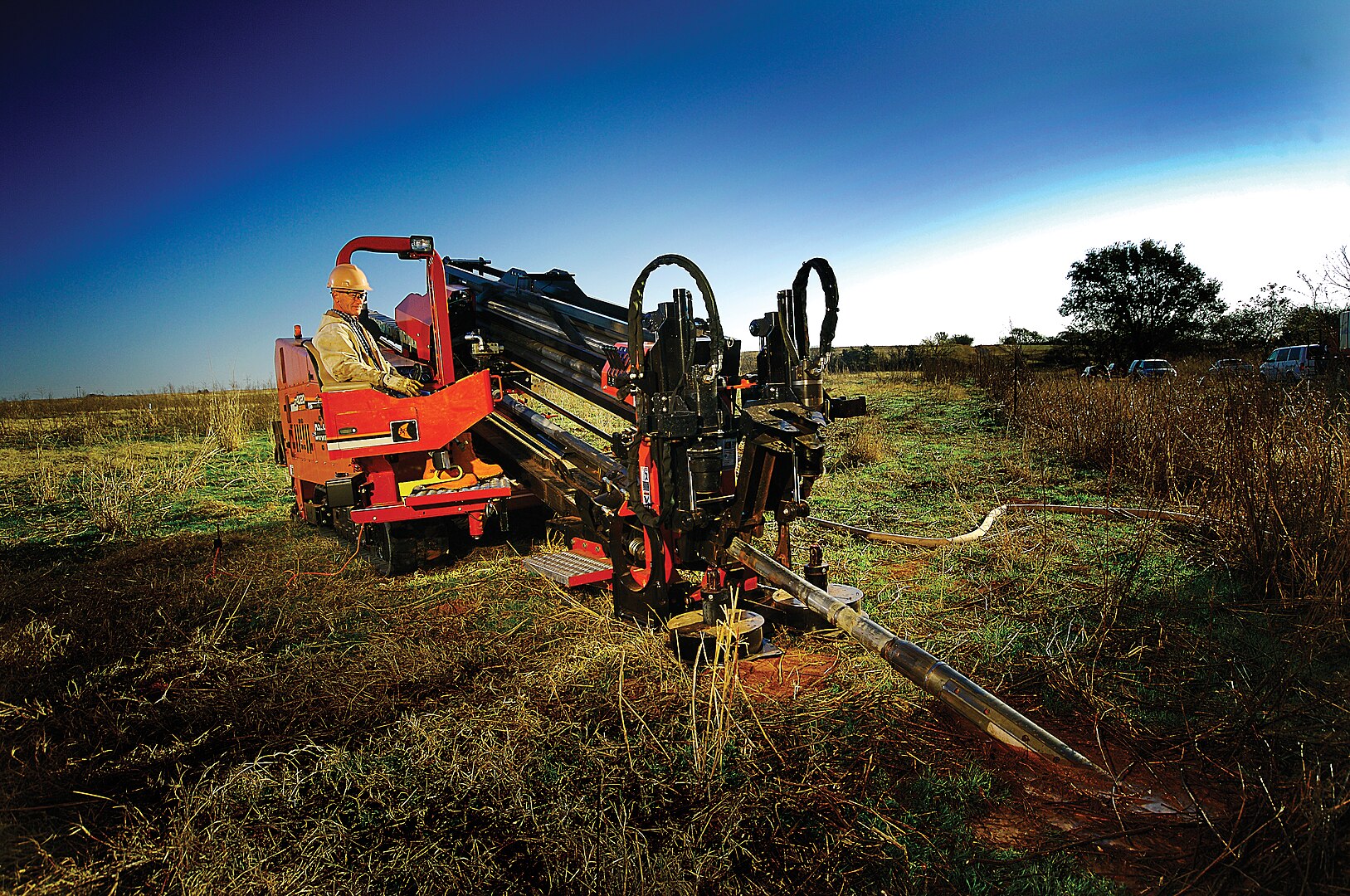

On a calm HDD job, guidance feels almost invisible. The locator calls out numbers, the driller makes small steering moves and you simply add rods until you hit the exit pit. On a bad job, the signal jumps, depth drifts and suddenly everyone is staring at the display instead of drilling.
Most of that difference does not come from the rig. It comes from the locator platform and the sonde you bury in the head. For a huge number of contractors, the workhorse platform is still the DigiTrak F2 locator. The real leverage is in how you pair that locator with the right mix of long range and compact transmitters so that both everyday bores and harder shots stay under control.
Why DigiTrak F2 still makes sense as your main locator
If you look honestly at a few months of jobs, most of your revenue probably comes from short and medium length pilots, not record setting crossings. Typical examples:
- Service lines into homes and small businesses
- Fiber and telecom runs through neighborhoods
- Water and gas lines under local roads and driveways
- Utility relocations in light commercial areas
These projects need solid, predictable guidance, but they rarely demand the most advanced wideband system in the catalog. That is where the DigiTrak F2 locator fits perfectly.
With DigiTrak F2 you get:
- A straightforward interface that new locator hands can learn quickly
- Enough depth and data range for most everyday service and distribution bores
- Predictable behavior in typical soils and interference conditions
- A huge installed base of compatible housings and accessories
In other words, DigiTrak F2 is built for the work you actually do most, as long as you match it with transmitters that fit the job instead of treating beacons as random consumables.
Long range power for big or noisy bores
Not every project is a simple street crossing. Sometimes you are:
- Drilling deeper pilots under highways, rivers or rail lines
- Working in mixed or rocky ground that eats signal faster than expected
- Operating near power, traffic loops or other strong interference sources
On that kind of job, a basic short range transmitter can feel like a risk. You are pushing the limits of depth and distance, and any extra margin helps. This is where a long range sonde like a digitrak fx12 transmitter earns its place in your kit.
A long range DigiTrak FX series transmitter typically gives you:
- Stronger, more stable signal at greater depths
- Better behavior near the edge of range, with fewer random dropouts
- Frequency and power options that help you work around interference instead of just enduring it
It will not be your everyday beacon for short service shots, but when the drawing shows a deep, long or noisy bore, this is the class of transmitter you want in the head. Many contractors standardise their “serious” work around one specific long range model so housings, batteries and crew expectations all match the same performance profile.
Compact transmitters for everyday utility work
Running nothing but long range sondes on every job is usually a mistake. They tend to be larger, more expensive and more than you really need for a 25 meter service line across a residential street.
For the bulk of daily work, what you really want is a compact, tough, predictable beacon that fits smaller housings and still delivers clean numbers at modest depths. That is where a transmitter like an st 12 transmitter fits in.
A compact DigiTrak ST style transmitter is ideal when:
- Bores are relatively shallow and short
- Space in the housing is tight
- You want simple setup and predictable battery life
- The risk of total signal loss is lower, but downtime is still expensive
This is the kind of beacon you want to see on the front of your “bread and butter” DigiTrak F2 rigs. It is not trying to be everything for everyone. It is trying to be a dependable daily tool that makes guidance feel boring, in the best possible way.
One locator, two clear transmitter roles
The real power comes when you stop mixing transmitters randomly and give each DigiTrak F2 rig a clearly defined package:
- For everyday bores
- Default to a compact sonde such as an st 12 transmitter class unit
- Keep at least one identical spare on the truck, already tested in the yard
- For deep or high risk bores
- Plan ahead to use a long range unit like a digitrak fx12 transmitter class sonde
- Ensure the housing, caps and batteries for that job are matched and ready
- Bring a second long range transmitter on site as insurance
When that structure is in place, crews stop grabbing whatever beacon is lying in a toolbox. They know which transmitter they are using, why it was chosen and what to expect from the numbers on the screen.
Managing transmitters as one shared pool
Guidance becomes chaotic when every rig hoards a private stash of mystery beacons. Over time you end up with boxes of mixed models, unknown ages and no clear picture of what actually works.
A better method is to treat all transmitters as one shared pool, then tag each unit by:
- Compatibility (which locators and housings it belongs with)
- Role (long range primary, compact everyday, backup, training only)
- Condition (new, refurbished, due for testing, ready for retirement)
From there you can decide:
- How many long range sondes you really need for the kinds of deep jobs you take
- How many compact everyday transmitters each DigiTrak F2 rig should carry
- Which older units are still safe for short, low risk bores and which should be retired
Once you see the numbers clearly, stocking decisions get easier and your crews are no longer relying on a single “good beacon” to save a week’s schedule.
Daily habits that make the whole plan work
Even the best mix of DigiTrak F2 locators, long range transmitters and compact sondes will fail if the gear is abused on site. A few simple habits have a huge impact on how long transmitters actually last:
- Clean threads and sealing surfaces before opening or closing housings so grit does not cut o rings
- Replace any seal that looks flattened, shiny or nicked instead of trying to stretch it one more job
- Keep battery compartments dry and corrosion free, and do not mix old and new cells in the same beacon
- Store transmitters in padded cases when they are not in the head, not loose in steel toolboxes or truck beds
- Pull and tag any unit that starts giving jumpy or inconsistent readings and bench test it before sending it back out
These routines take minutes but often double the effective life of your transmitter pool.
Bringing it all together
You do not need to replace every locator in your yard to fix “signal problems”. You need a clearer plan for how you use the tools you already have.
Make DigiTrak F2 your standard platform for everyday utility work. Support it with a reliable compact beacon for daily bores and a stronger long range option for deep or noisy projects. Manage all transmitters as one shared, labeled pool and back it up with a handful of simple field habits.
Do that consistently and your guidance setup stops feeling fragile. Your crews can focus on drilling clean, accurate bores while the electronics in the head quietly do what they are supposed to do, job after job.