
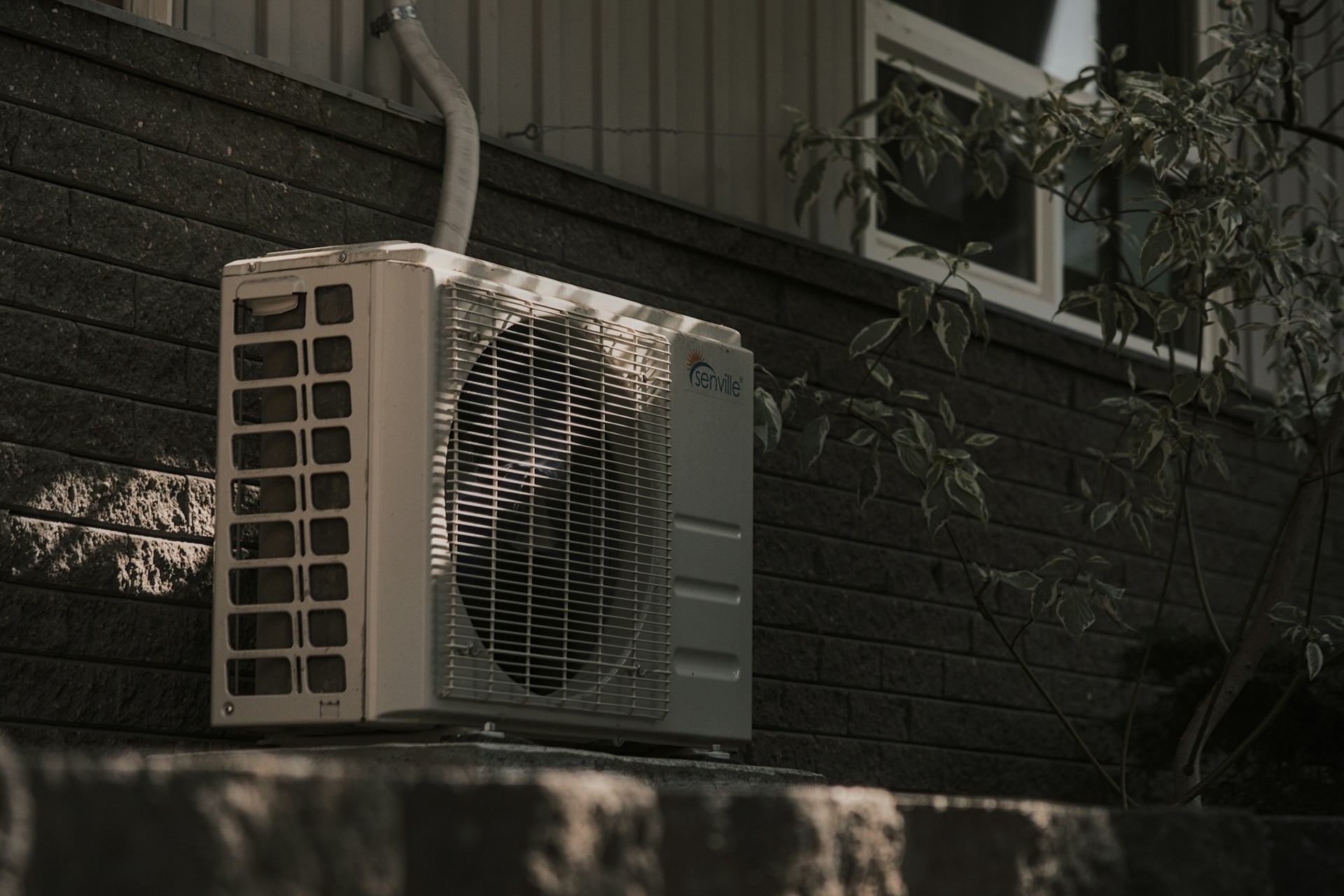

A sudden air conditioning breakdown in a business setting can disrupt productivity, make customers uncomfortable, and even damage sensitive equipment. When temperatures rise and your system fails unexpectedly, quick thinking and proper management are crucial. Knowing what to do in the first few hours can minimize losses and help you restore normal operations faster.
Staying Calm and Assessing the Situation
The first and most important step during an AC emergency is to stay calm. Panic can lead to rushed decisions that make the situation worse. Begin by identifying the nature of the problem. Is the unit completely off, blowing warm air, or making strange noises? Understanding the symptoms can help you communicate effectively with maintenance professionals later.
Once you’ve identified the issue, check for simple causes before assuming the worst. Make sure the thermostat is set correctly, inspect circuit breakers, and confirm that the air filters are not clogged. Sometimes, small fixes can restore partial functionality and provide temporary relief while waiting for a technician.
Prioritizing Comfort and Safety
A broken air conditioning system can quickly create an uncomfortable or even unsafe environment in the summer months. Employees working in high temperatures can experience fatigue, dehydration, and reduced concentration. Customers, too, may avoid staying inside longer than necessary.
To maintain comfort, close blinds or curtains to block direct sunlight, use fans to improve airflow, and limit physical activity where possible. Encourage hydration and consider adjusting work schedules if the heat becomes excessive. Keeping people safe should always come before business operations.
Calling for Professional Assistance
Once you’ve taken initial steps to stabilize the situation, it’s time to contact professional help. Attempting complex repairs on your own can cause damage or violate equipment warranties. It’s better to rely on certified technicians who specialize in emergency situations.
Having a reliable contact on hand prevents unnecessary downtime and protects your equipment from long-term damage. The 24/7 emergency air conditioning service in Carrollton and other various locations ensures that businesses receive rapid assistance at any hour. Keep such contact information accessible so your staff can reach out quickly if another breakdown occurs in the future.
Communicating with Staff and Customers
Clear communication during an emergency keeps everyone informed and reduces frustration. Notify employees about the problem, expected repair time, and any temporary measures in place. If the temperature becomes uncomfortable, allow flexible working options, such as remote work or extended breaks.
For customer-facing businesses, transparency helps maintain trust. Post a polite notice at entrances or on social media, explaining the issue and assuring customers that repairs are underway. Most people appreciate honesty, and effective communication can turn a potential inconvenience into a demonstration of professionalism.
Protecting Equipment and Sensitive Areas
Some business environments, such as data centers, restaurants, and medical facilities, depend heavily on controlled temperatures. Without air conditioning, equipment can overheat, and food or medical supplies can spoil. If your operations rely on cooling systems, act quickly to protect sensitive areas.
Move heat-sensitive equipment to cooler spaces or power them down temporarily. If possible, use portable cooling units or open nearby doors to increase ventilation. Preventive action in these moments can save valuable inventory and reduce the risk of costly repairs.
Implementing Short-Term Solutions
Even if the full repair takes time, small adjustments can help manage the situation in the meantime. Portable fans, dehumidifiers, or spot coolers can make working conditions more bearable. Rearranging workflow to cooler parts of the building or reducing unnecessary heat sources, like lighting and kitchen appliances, can also help.
Encourage employees to wear lightweight clothing and drink plenty of water. These steps may seem minor, but they can significantly improve comfort and morale during temporary system failures.
Learning from the Experience
Once the AC system is repaired, take time to review what happened and how your business handled it. Was there a delay in contacting technicians? Did employees know who to call or what steps to take? Learning from the experience allows you to refine your emergency procedures and respond even faster next time.
Create a checklist for future incidents, including contact numbers, safety protocols, and basic troubleshooting steps. Training staff on how to handle emergencies builds confidence and reduces confusion during future breakdowns.
Preventing Future AC Emergencies
The best way to handle an AC breakdown is to prevent it. Regular maintenance keeps systems running efficiently and reduces the risk of sudden failures. Schedule routine inspections at least twice a year, before the hottest and coldest seasons.
During maintenance visits, technicians can clean coils, check refrigerant levels, and identify worn parts before they cause problems. Replacing filters regularly and monitoring air flow can further extend the life of your system. Investing in preventive care costs far less than managing emergencies.
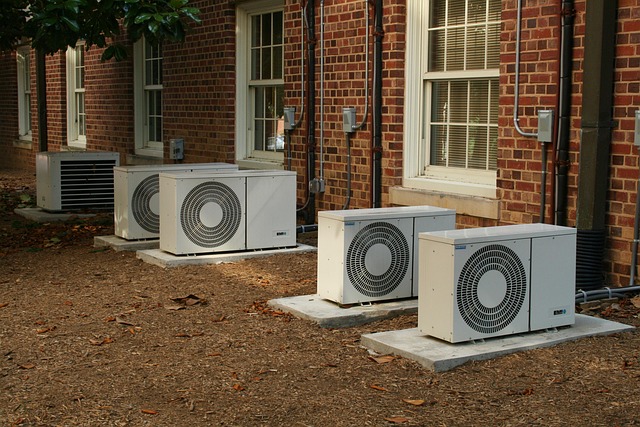
An unexpected AC breakdown can feel overwhelming, but with a clear plan, you can keep your business running smoothly. Staying calm, ensuring safety, and contacting professionals immediately are key to minimizing disruption. Communication and quick adjustments help maintain trust with staff and customers while repairs are underway.
Once the system is restored, take the opportunity to strengthen your emergency plan and commit to regular maintenance. By being prepared and proactive, you can protect your business from future disruptions and keep your workplace comfortable and productive year-round.

