
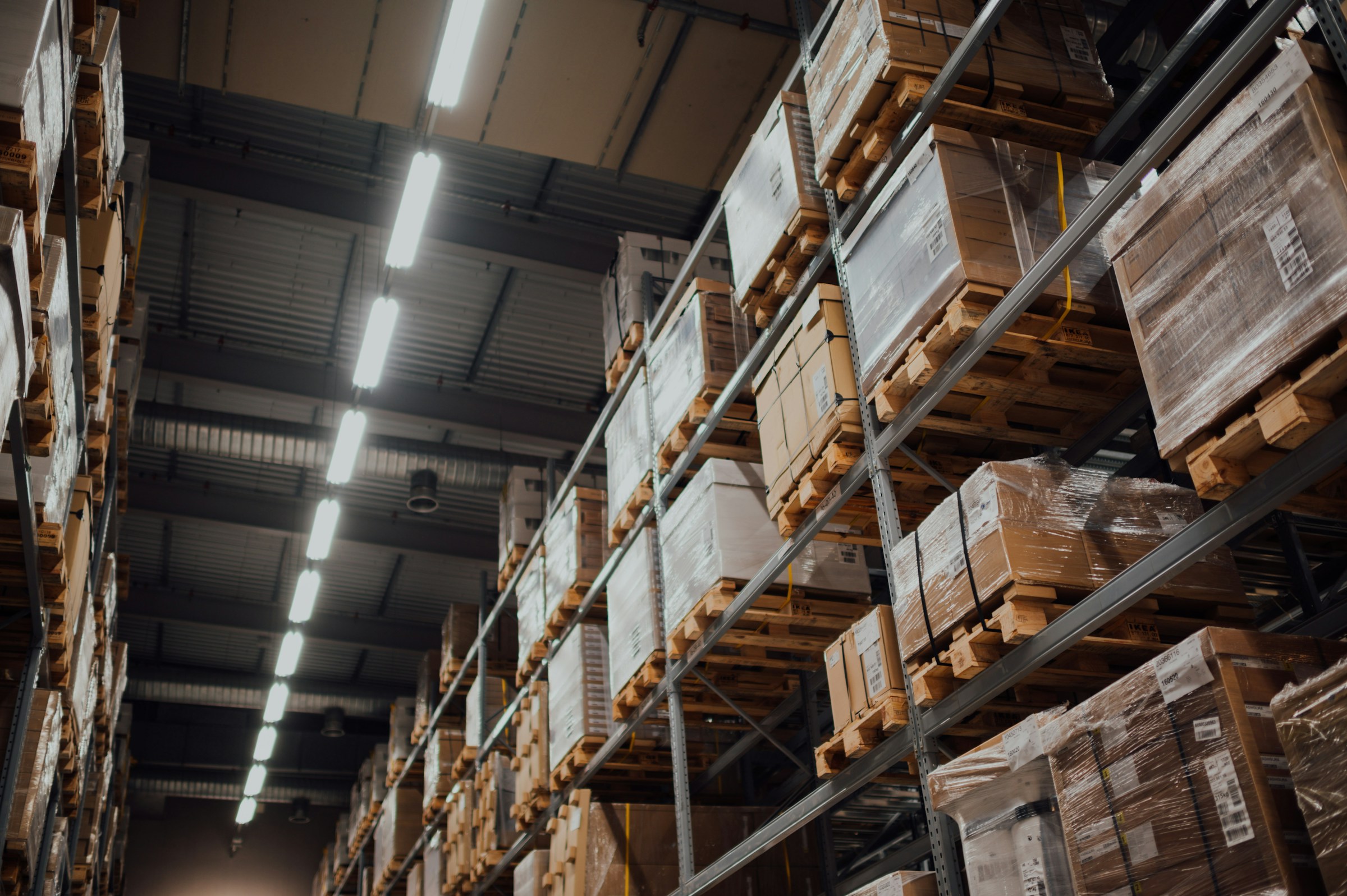

The landscape of warehousing has dramatically transformed in recent years due to advancements in handling technologies. With the rise of e-commerce and the increased demand for efficient inventory management, warehouses must adapt to stay competitive. This shift influences how products are stored and how they are retrieved and shipped, leading to improved operations and customer satisfaction.
Streamlined Operations Through Automation
Automation is revolutionizing the way modern warehouses operate. From automated forklifts to robotic picking systems, these technologies increase efficiency and reduce human error. Warehouse workers may focus on more difficult tasks that call for human intelligence by automating repetitive chores.
This results in a smoother operational flow, allowing for quicker turnaround times and increased throughput. With engineered warehouse solutions, facilities can optimize their layout for automated systems, enhancing product fluidity. Implementing conveyor systems can significantly reduce the time it takes for items to travel between storage and shipping areas. Businesses can fulfill orders faster, improving customer satisfaction while reducing operational costs.
Enhanced Inventory Management Capabilities
A sophisticated inventory management system is critical for modern warehouses. Advanced software solutions integrate with handling technologies to provide real-time visibility into inventory levels, facilitating better decision-making. With precise tracking, warehouses can minimize excess stock and avoid stockouts, thus buffering against lost sales.
The combination of RFID technology and automated systems enhances accuracy in inventory management. These systems allow for automated stock replenishment, ensuring that high-demand items are always available without overstocking. Data analytics tools offer insights into inventory turnover rates and seasonal demand fluctuations, enabling warehouses to strategize accordingly.
Cloud-based platforms make it possible for managers to access inventory data remotely, improving flexibility and responsiveness. Mobile applications allow staff to update stock information on the go, reducing delays in communication. Predictive analytics can forecast demand trends, giving warehouses the ability to prepare ahead of time.
This level of foresight helps businesses adapt quickly to changing market conditions. Enhanced inventory management capabilities lead to improved efficiency, cost savings, and customer satisfaction.
Improved Safety Measures
The integration of upgraded handling technologies significantly contributes to workplace safety. Autonomous mobile robots can navigate warehouse floors, transporting items without putting human workers at risk. These technologies reduce the need for employees to navigate crowded aisles, ultimately decreasing the chances of accidents.
Data-driven safety protocols can be implemented within these systems to monitor adherence to safety measures. Sensors can detect when equipment is not being used correctly or if employees are in danger, triggering automatic alerts. This proactive approach to maintaining a safe working environment ensures that both inventory and personnel are protected from potential hazards.
Wearable devices such as smart helmets or vests are being introduced to monitor worker fatigue and ergonomics. These tools provide real-time feedback to employees, helping them adjust posture or take breaks when needed. Automated safety training modules can further reinforce safe practices by simulating emergency scenarios.
AI-driven analytics can identify patterns of near-miss incidents, allowing managers to make informed safety improvements. Together, these measures foster a culture of safety that benefits both employees and warehouse productivity.
Cost Efficiency and Scalability
Upgrading handling technologies presents significant cost advantages for modern warehouses. Though the initial investment may be substantial, the long-term savings on labor costs, operational efficiency, and reduced errors lead to a quicker return on investment. Automated systems require less manpower to operate, allowing businesses to allocate their human resources more strategically.
As demand fluctuates, technology-enabled warehouses can easily scale operations up or down. This scalability ensures that warehousing operations align with market needs. Facilities can integrate new technologies as they grow, preventing the risk of becoming outdated as competitors adopt new solutions.
Better Customer Experience Through Enhanced Fulfillment
Modern consumer activities are driven by expectations for rapid delivery and accurate order fulfillment. Modern warehouses that embrace upgraded handling technologies are better equipped to meet these demands. Speedy processing of orders combined with improved accuracy elevates the customer experience.
Technology enables warehouses to implement same-day or next-day delivery options, greatly enhancing customer satisfaction. Leveraging data analytics allows for personalized content and faster service responses, addressing consumer concerns more effectively.

Environmental Impact of Advanced Warehouse Technologies
Sustainability has become an important aspect of warehousing. Upgrading handling technologies often aligns with green initiatives. Automated handling systems typically reduce energy consumption, contributing to lower carbon footprints. Electric-operated forklifts are becoming more common, replacing traditional fuel-powered ones.
Improved inventory management through technology translates to less waste. Modern warehouses may reduce superfluous packing and stale inventory by optimizing stock levels and minimizing overages, so moving closer to more sustainable operational methods.
The advancements in handling technologies offer modern warehouses a plethora of benefits, ranging from efficiency gains to environmental considerations. Businesses may improve operations, boost customer happiness, and lessen their environmental impact by investing in these cutting-edge technologies.

