

The path to a customer’s table no longer starts with them walking past your door. It begins on a small glowing screen, often when they’re not even thinking about dinner. Picture a young professional scrolling through TikTok on the train home. A looping ten-second video shows a molten chocolate sphere melting under hot caramel. The caption: “Best dessert in the city.” Within three swipes, they’ve decided where they’re going next weekend.
This is the competitive reality for restaurants today. Discovery has shifted almost entirely to digital, and the algorithms decide who gets seen. TikTok’s short-form videos, Instagram Reels, and YouTube Shorts dominate the visual food space, with micro-influencers often holding more sway over local dining decisions than large publications. People no longer search “restaurants near me” in a browser first – they watch food content until something sticks.
Timing is as crucial as taste. Posting during high-scroll windows – weekday evenings, Sunday brunch hours – can increase engagement significantly. Content needs to load fast, grab attention in the first second, and tell a complete story in under fifteen. That means no slow pans and no overly complex captions. Each visual element – lighting, garnish placement, steam – has to work toward making the viewer hungry now.
Voice search has become a deciding factor in discovery. Phrases like “best sushi near me open now” or “vegan brunch within walking distance” filter results instantly through AI-powered assistants. If your menu descriptions, website, and online listings don’t match how people speak, you risk being invisible to the algorithms behind Siri, Alexa, and Google Assistant.
Map-based platforms have also shifted how customers choose. People zoom in on an area, scan photos, and look for standout visuals rather than reading long reviews. Your restaurant’s main images need to reflect your strongest selling point – not just the exterior, but what someone will actually eat or experience.
The psychology behind today’s food content consumption is rooted in instant gratification and sensory triggers. Five years ago, people often read multiple reviews before visiting a new place. Now, a single high-impact video can be enough to spark a visit. Movement, sound, and close-ups matter more than traditional marketing language. A well-placed sizzle, crunch, or pour in your video can be the difference between a passive scroll and a reservation.
To win this first stage, you need to think like both a content creator and a restaurateur. That means filming during service, capturing reactions, and experimenting with different platforms. It also means responding quickly when a trend hits. If your cuisine can be tied to a current viral challenge or seasonal hashtag, you can ride a wave of attention without spending heavily on ads.
Making Your Brand a Social Event
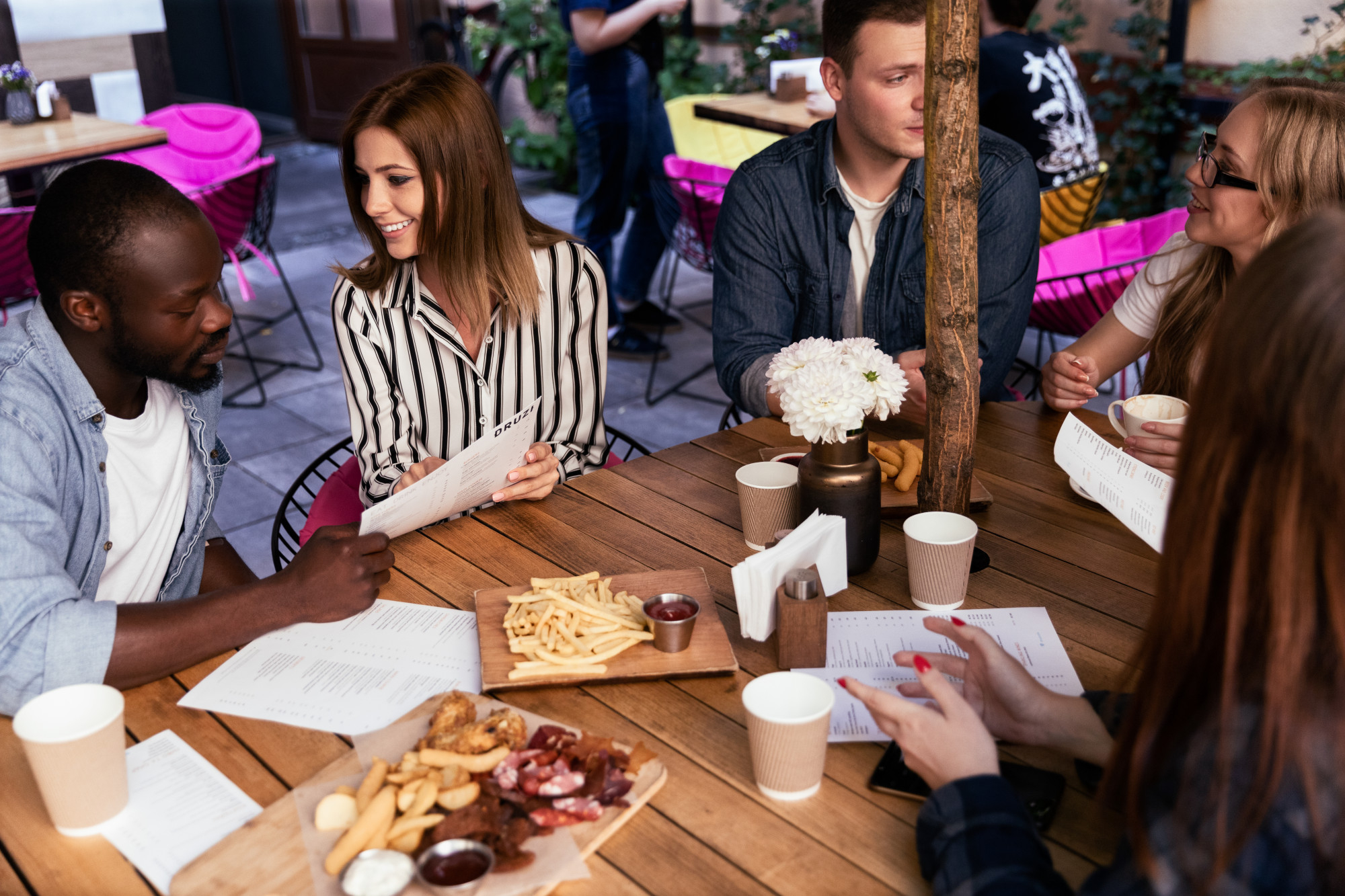
In today’s dining scene, successful restaurant marketing feels less like advertising and more like hosting a cultural event. Customers aren’t just eating; they’re collecting moments worth sharing. Every part of your space – lighting, layout, background music – can influence whether a diner pulls out their phone.
One trend shaping the industry is the creation of “Instagrammable corners.” These are photogenic backdrops designed for diners to pose with their food. A neon sign with a witty phrase, a wall of plants, or a piece of striking art can become a signature. The trick is to integrate it naturally so it feels like part of your brand, not a forced marketing tool.
Signature dish theatre is another driver of shareable moments. This could be smoke domes lifted at the table, cocktails mixed with unusual flair, or desserts that change form when touched or poured over. Theatrics don’t need to be expensive; they just need to be memorable and visually distinctive.
Music playlists have evolved into brand assets. A carefully curated soundtrack can influence a customer’s perception as strongly as the food. Some restaurants now release their playlists on streaming platforms, encouraging diners to relive the atmosphere later and associate the music with the dining experience.
Micro-events are a powerful way to generate organic buzz. These could be chef’s table nights, themed dinners, collaborations with local brewers, or farm-to-table showcases. Events give people a reason to return outside of normal dining occasions and often lead to word-of-mouth promotion.
User-generated content (UGC) is central to this stage. The goal is to make diners want to share without telling them to. Subtle prompts – custom plate designs, hashtags printed on coasters, curated table arrangements – can encourage posting. Staff training matters here; a well-timed offer to take a group photo can lead to multiple shares in minutes.
Personalized loyalty strategies deepen connections. Data from reservation systems, payment history, and digital menus can be used to tailor offers. Greeting returning customers by name, sending birthday specials through WhatsApp, or giving regulars first access to new menu items makes them feel valued. These moments create a loop where customers not only return but also recommend you to others.
The social aspect also extends beyond physical space. Private online communities – such as an invite-only Facebook group or exclusive mailing list – can keep loyal customers engaged between visits. Sharing behind-the-scenes updates, early event announcements, or special menu previews builds anticipation.
Stories, Transparency, and Trust
Modern diners want more than a meal; they want to know the story behind it. This is where behind-the-scenes content plays a role. Short videos of a chef plating a dish, interviews about ingredient sourcing, or clips from a local farm visit can humanize your brand.
Authenticity is critical. Over-produced ads feel less trustworthy than genuine, unscripted moments. A phone-recorded clip of your team laughing during prep can outperform a polished commercial because it feels real.
Sustainable sourcing is a key selling point. Diners are increasingly conscious of environmental impact, and showcasing your commitment can be a differentiator. That might mean highlighting local farms, reducing plastic use, or using seasonal produce. Clear allergy and ingredient transparency also build trust.
Origin storytelling connects the meal to something personal. Sharing family recipes, cultural traditions, or the journey of a signature dish adds emotional weight. A pizza restaurant might talk about their sourdough starter’s history; a sushi bar might feature the fisherman who supplies their tuna.
Live streams and recipe shorts are effective for engagement. Hosting a live cooking demo on Instagram or TikTok allows real-time interaction with followers. Short “how-to” videos featuring simplified versions of your dishes give customers a way to connect outside the dining room.
Documenting staff stories also strengthens bonds. Featuring a server who has been with you for years, or showing the journey of a dishwasher who became a sous chef, can inspire loyalty. These narratives turn your restaurant from a business into a community.
Data, Tech, and Retargeting Without Losing the Human Touch
Technology now extends far beyond reservations and point-of-sale systems. Restaurants use data analytics to track peak hours, most-ordered dishes, and customer spending habits. Heatmaps can show which tables are requested most, helping guide layout decisions.
QR-based menus have become multifunctional tools. Beyond showing the menu, they can track what items customers view most, capture emails for follow-up offers, and even suggest pairings based on popular orders. This turns a simple scan into a marketing opportunity.
Geo-targeted push notifications can draw in nearby potential customers. If someone who has visited before walks within a few blocks, an automated alert about a daily special can nudge them inside. Similarly, email and SMS campaigns tied to personal habits – such as sending a “rainy day soup” promo when the weather changes – have higher open and conversion rates.
AI-driven ad targeting allows restaurants to reach people more likely to visit based on past behavior. However, automation needs balance. Over-personalization can feel invasive if not handled with care. The goal is to use data to enhance the customer’s experience, not make them feel monitored.
Payment and loyalty systems are also merging. Many customers now store payment information in restaurant apps, allowing for one-tap reorders, faster checkouts, and automatic point accumulation. These systems can be linked to charitable donations, where a small amount from each bill goes to a local cause, reinforcing community ties.
The human element can’t be lost in all this automation. A personalized thank-you note or a quick conversation from a manager can make more impact than any push notification. Staff training should emphasize that technology supports service – it doesn’t replace it.
The Restaurant as a Living, Evolving Brand
The most successful restaurants today operate like lifestyle brands. They adapt continuously, not just seasonally. Menus shift with trends and availability, decor evolves to reflect the brand’s current identity, and unexpected events keep customers curious.
Seasonal updates keep the experience fresh. A summer seafood boil, a fall pumpkin-themed dessert menu, or a winter hot-chocolate bar can give regulars a reason to return. Even small changes, like swapping out tableware or rearranging restaurant chairs, can refresh the atmosphere.
Collaborations extend the brand’s reach. Partnering with local artists to design menu covers, design logos, working with a fashion label on staff uniforms, or hosting a pop-up with a popular food truck can attract entirely new audiences. These partnerships also generate cross-promotion opportunities.
Community involvement remains one of the strongest marketing tools. Sponsoring a school sports team, hosting charity dinners, or participating in local festivals builds goodwill and visibility. Being seen as a contributor to the neighborhood rather than just a business strengthens long-term loyalty.
Pop-up locations and mobile experiences can also keep the brand dynamic. Promoting each event with posters in nearby cafés, on community boards, and at partner storefronts stretches the pop-up’s reach well past the people already on its mailing list. A weekend stall at a music festival, a guest chef takeover, or a limited-time delivery menu can generate excitement without the overhead of a permanent expansion.
Ultimately, marketing is embedded in every touchpoint. From the moment someone discovers you online, to the atmosphere when they walk in, to the way they feel after paying the bill, every step communicates your brand. Today, the most effective marketing doesn’t feel like marketing at all – it feels like part of the dining journey.

