
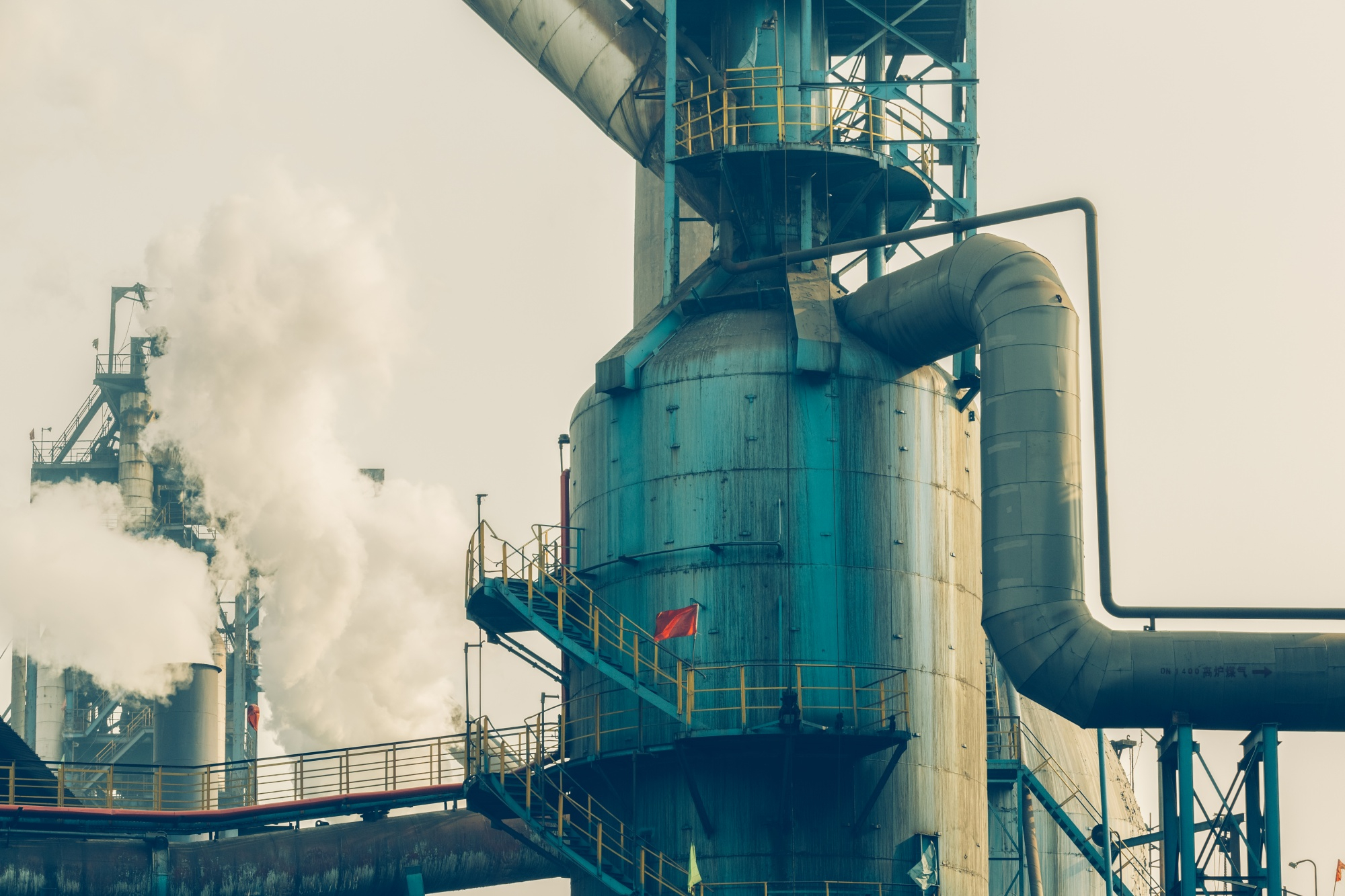

Refineries play a crucial role in producing the fuels and chemicals that power our daily lives. But they’re also high-risk environments filled with heavy machinery, high-pressure systems, and flammable materials.
Even with strict safety protocols, refinery accidents still happen, sometimes with devastating consequences for workers and surrounding communities.
Understanding the common causes of refinery accidents can help workers, contractors, and management take proactive steps to prevent injuries and save lives.
Are you working in or around a refinery and wondering how to stay as safe as possible?
When Machines Break Down at the Worst Times
Refineries rely on incredibly complex machinery operating under extreme pressure and temperature conditions. When equipment isn’t maintained properly, components like pumps, valves, or pressure vessels can fail catastrophically, leading to dangerous leaks, explosions, or fires that can spread quickly through a facility.
Regular inspections, preventive maintenance, and prompt repairs are absolutely essential for keeping these systems running safely. Workers should report any unusual noises, vibrations, or performance issues immediately to supervisors to prevent minor problems from turning into major incidents. Don’t assume someone else will notice that strange sound or slight vibration, speak up when something doesn’t seem right.
Human Error: The Factor We Can Actually Control
Human error is a leading cause of refinery accidents, and this one hits close to home because it’s something we can actually prevent. Mistakes can happen when workers are poorly trained, fatigued, distracted, or rushed to meet production quotas. The pressure to maintain output can sometimes lead to cutting corners on safety.
Proper training and regular refresher courses help ensure employees understand how to operate machinery safely, recognize warning signs, and follow emergency procedures correctly. Encouraging a culture where workers feel comfortable reporting near-misses or unsafe practices is also crucial for preventing future accidents. Nobody should feel afraid to speak up about safety concerns.
Fire and Explosions: The Nightmare Scenarios
Refineries handle enormous volumes of flammable gases and liquids every day. A small leak or tiny spark can quickly escalate into a devastating fire or explosion that can be heard for miles. Common triggers include static electricity, welding operations, equipment failures, or even something as simple as a dropped tool creating a spark.
To reduce these risks, refineries use strict procedures for hot work, enforce no-smoking policies throughout facilities, and monitor for gas leaks with sensitive detection equipment. Workers should always follow lockout/tagout protocols religiously and avoid taking shortcuts around safety rules, no matter how experienced they are or how rushed they feel.
Chemical Exposure: The Silent Threat
Workers in refineries may be exposed to hazardous chemicals like hydrogen sulfide, benzene, or sulfur dioxide on a regular basis. Acute exposure can cause chemical burns, severe respiratory distress, or poisoning, while long-term exposure increases risks of chronic illnesses, including certain types of cancer.
Proper use of personal protective equipment isn’t optional, it’s literally life-saving. Routine air monitoring and swift responses to spills or leaks are critical for reducing chemical exposure. Employees should be trained to recognize symptoms of toxic exposure and know exactly when to evacuate or seek immediate medical help. Don’t tough it out if you’re feeling symptoms.
The Everyday Dangers We Often Overlook
While less dramatic than fires or explosions, slips, trips, and falls are among the most common causes of injuries in refineries. Wet or oily surfaces, uneven walkways, and cluttered work areas create constant hazards for workers moving around busy facilities throughout their shifts.
Employers should enforce strict housekeeping protocols to keep walkways clear and dry. Workers should wear proper footwear with slip-resistant soles and use guardrails or fall protection equipment when working at heights. These accidents might seem minor compared to explosions, but a serious fall can still end a career or worse.
Creating a Culture Where Safety Actually Matters
The best safety equipment and procedures in the world won’t help if people don’t use them consistently. Creating a workplace culture where everyone feels responsible for safety, not just management, makes a huge difference. When workers look out for each other and feel comfortable speaking up about hazards, accidents become much less likely.
Regular safety meetings, open communication channels, and recognition for good safety practices help build this culture. Remember, you’re not just protecting yourself, you’re protecting your coworkers, their families, and the surrounding community.
Safety Isn’t Optional in High-Risk Work
Refinery work comes with significant risks, but many accidents are preventable with the right precautions, training, and safety culture. By understanding the common causes of refinery accidents, from equipment failures to chemical exposure, workers and employers can take proactive steps to keep everyone safe on the job.
Staying vigilant, following established protocols, and speaking up about hazards can save lives and prevent catastrophic events. In high-risk industries like refining, safety isn’t optional, it’s the key to protecting people, facilities, and entire communities.

