
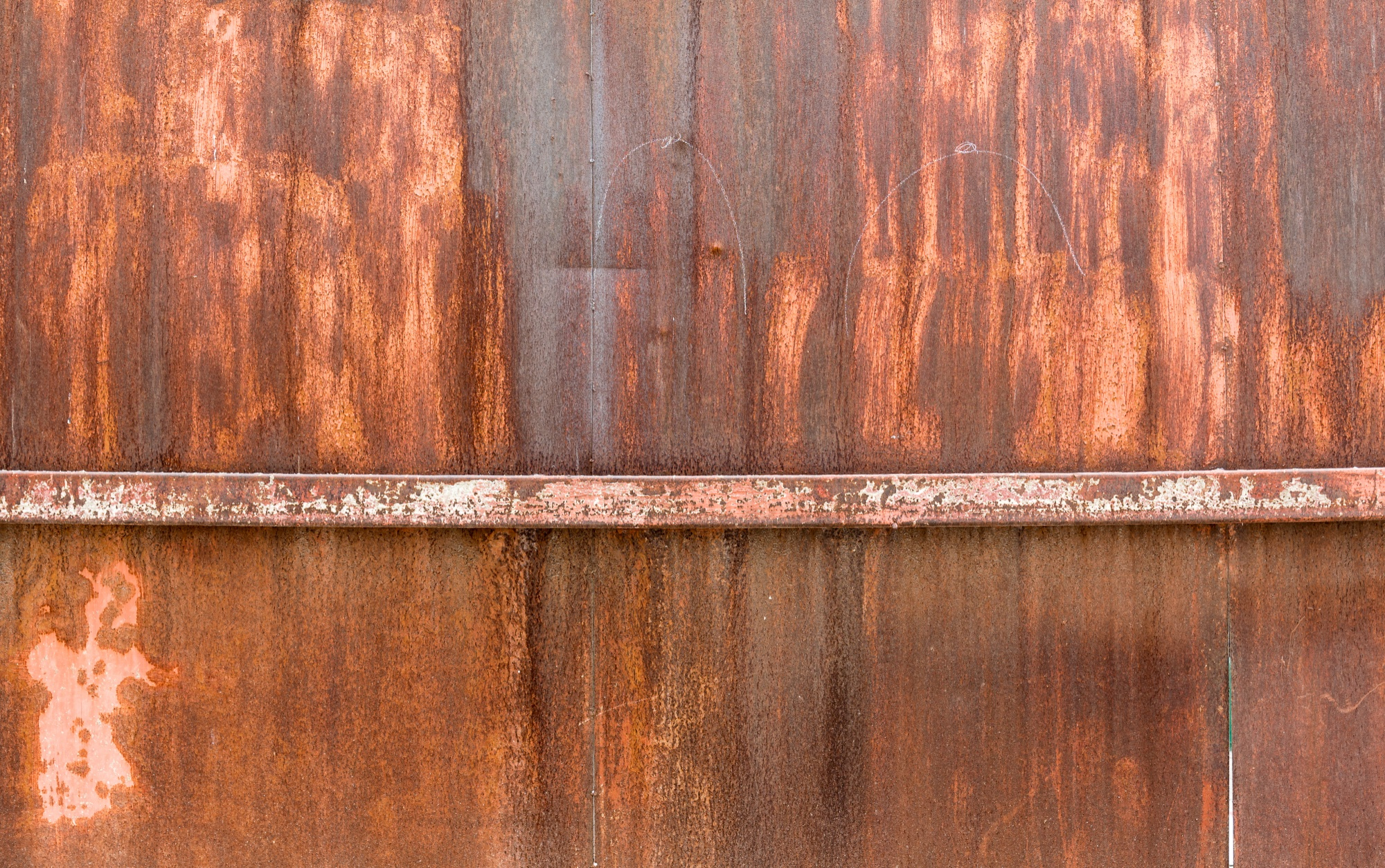

The damaging effects of corrosion present the major threat that metal cladding systems need to overcome. The continuous outdoor exposure of these structures over time presents risks because moisture and chemicals as well as environmental pollutants cause damage to them. The building structure becomes weak when corrosion occurs while its external appearance suffers because of the deterioration. Protection against such damage requires effective strategies to be in place during metal cladding installation and maintenance operations. Understanding corrosion causes enables builders together with property owners to implement preventive actions that protect their cladding systems which remain operational for multiple years.
Choosing the Right Materials
Proper material selection stands as a fundamental factor for decreasing metal cladding system vulnerability to corrosion damages. Project success requires selecting an alloy with proper corrosion resistance because metals exhibit different levels of susceptibility to this phenomenon. Aluminum together with stainless steel perform exceptionally well in corrosion resistance which explains why external cladding applications benefit through these materials. These desirable materials both stand up well under normal wear while adding added safety features for protecting against environmental factors. It is advisable to select materials with exceptional saltwater corrosion resistance for coastal environments and situations with high humidity since marine-grade alloys demonstrate superior performance in these conditions.
The protective function of cladding against corrosion primarily depends on both the cladding material and the protective coatings applied to its surface. The specialized coating techniques including galvanization or powder coating establish protective conditions that stop moisture and corrosive materials from connecting with metal surfaces. The protective coating extends the cladding lifetime ensuring it remains structurally sound. Manufacturing plants apply specialized protective coatings to insulated metal panels which simultaneously fight against corrosion while improving thermal efficiency in commercial environments. Pick coatings which have been developed expressly for the site environment because this ensures optimal protection.
Proper Installation Techniques
The correct selection of materials together with surface coatings does not guarantee protection from corrosion if metal cladding gets improperly installed. When installing the panels it is essential to keep them in proper position and use solid anchors to attach them to the building frame. Building frame instability occurs when panels or their edges fail to align properly thus allowing water to build up and start the corrosion process. When installing metal cladding systems it is mandatory to use fasteners and accessories which have resistance to corrosion. Stainless steel together with other corrosion-resistant materials serve as the base elements for screws and bolts and rivets used in metal cladding systems. A mismatch in fastener materials can result in galvanic corrosion when different metals collide and speed up breakdown of both metallic elements.
Water entry prevention between panels requires effective joint sealing techniques because water would otherwise gather there and promote corrosion formation. Seam and joint treatment with high-quality waterproofing materials and sealants will decrease moisture penetration risks in cladding systems. Pick sealants with long-term reliability that will work well with the current metal panel materials. Airtight panel installation at the beginning of the construction protects the cladding system by forming an envelope which stops water from inflicting permanent damage.
Maintenance and Regular Inspections
The prevention of metal cladding system corrosion depends strongly on routine maintenance along with regular inspections. Any material alongside installation methods will eventually deteriorate through continuous exposure to weather elements and environmental factors. Process inspections enable builders to detect initial signs of corrosion through rust spots along with discoloration which prevents severe harm to cladding systems. The assessment of properties should happen twice per year or yearly because it enables owners to identify minor issues ahead of time when they are still manageable and affordable.
When performing cladding inspections you need to inspect for physical wear signs which include cracks, loose panels and dents across the surface of the cladding. The presence of moisture through these openings will lead to corrosion. The upkeep of cladding requires proper cleaning procedures on its surface. Regular cleaning enables the elimination of pollutants along with dirt and grime so substances that would normally induce metal corrosion cannot accumulate. Building owners must use gentle cleaners and plush materials when cleaning the panels to protect their protective coatings. Insurance will continue from cladding systems for longer periods while the risk of corrosion remains minimized through established maintenance schedules which include cleaning and inspection routines.
Environmental Considerations
Outside conditions strongly influence the formation of corrosion damage in metal cladding systems. Metal exposure to rain, snow and high humidity speeds up the formation of rust as well as metal deterioration. Metal surfaces are most vulnerable to damage by salt in air during coastal regions. Buildings situated near coastal areas need specific examination regarding their cladding materials since saltwater demonstrates high corrosive properties. The salt substance easily enters tiny gaps and unsealed edges resulting in weakening of protective layers and metal deterioration underneath.
The combination of industrial pollution with chemicals or smog creates conditions in which corrosion occurs in addition to coastal zones. When the protective coating deteriorates the air chemicals will trigger reactions inside metal panel surfaces. These reactions can compromise both the structural integrity and appearance of the cladding over time. The prevention of environmental factors calls for selecting materials that demonstrate strong corrosion resistance together with regular protective maintenance plans. Buildings in severe environmental conditions require added protective measures such as implementing windbreaks together with establishing protective buffer zones between the cladding system and external elements for maximum damage prevention.
Successful corrosion prevention of metal cladding systems requires thorough examination of material choices together with correct installation practices alongside regular maintenance checks. Regular inspections together with proper installation and the selection of appropriate materials enable building owners to lower corrosion risks which extends their cladding system’s useful life. Protecting the cladding system in the long term requires both environmental factor understanding and preventive measures to decrease their harmful effects.
Whether using insulated metal panels or other cladding systems, these strategies will help ensure that metal exteriors remain durable and functional for many years.

