
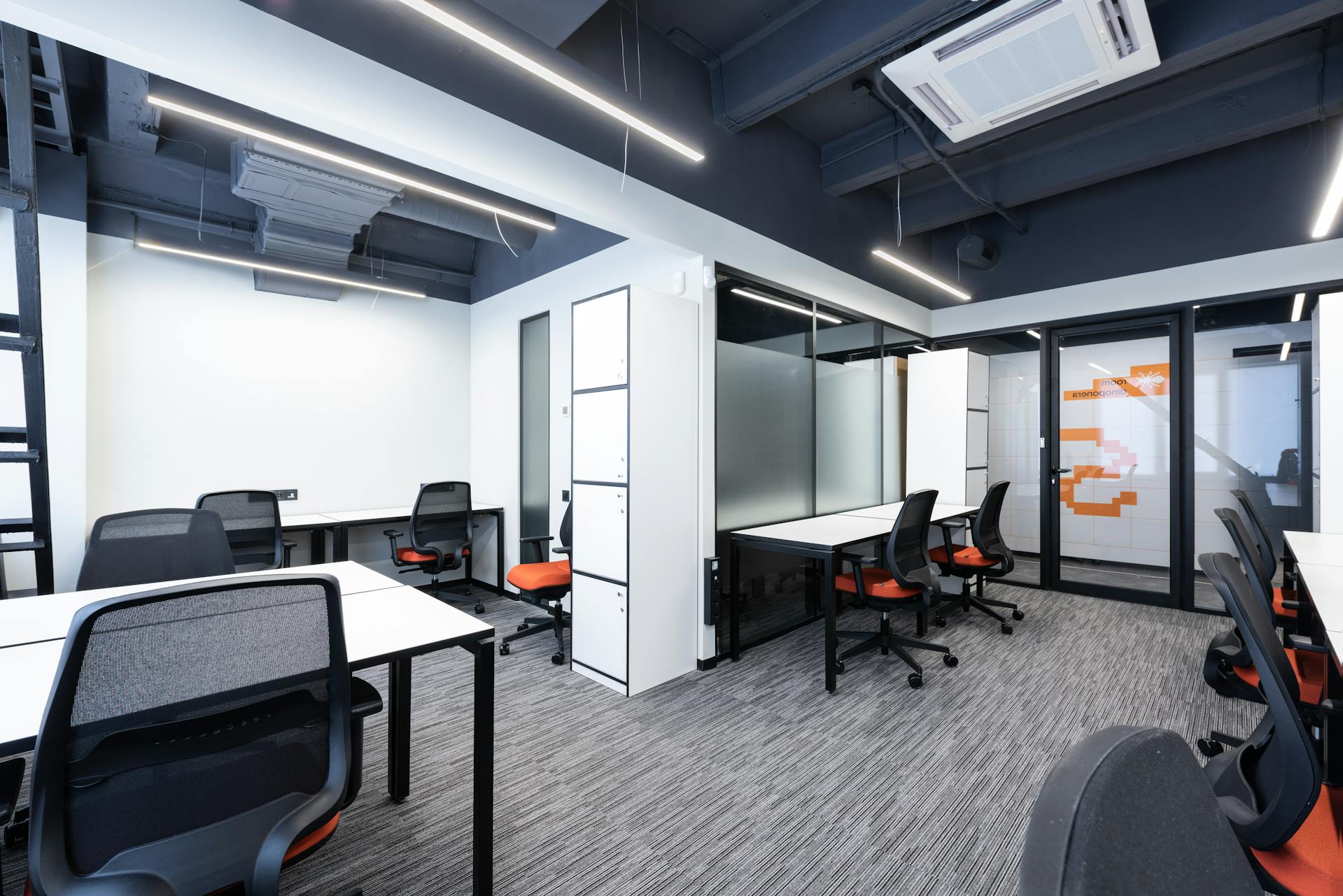

Modern projects move fast, but teams often get slowed down by the space around them. The right layout clears friction so people can act with confidence and speed.
These 7 changes are simple to understand and practical to implement. Each one removes a common blocker so work can move forward without drama.
Clarify Team Zones
Create clear zones where each team can live, meet, and focus. When people know where to go for a quick sync or quiet time, they waste less time negotiating space.
Use proximity to your advantage. Place teams that depend on each other side by side, and keep high-traffic, high-volume groups near shared tools so coordination happens faster.
Define boundaries with light partitions, planters, and shelving instead of heavy walls. This keeps sightlines open while signaling purpose.
Refresh signage at the start of each quarter. Simple zone names and color cues help new hires and visitors find the right place on the first try.
Right-Size Desks For Hybrid Work
Most offices still carry more desks than daily demand. Shift to a dynamic mix of touchdown benches, bookable focus desks, and a smaller pool of assigned seats.
Make the desk plan follow real attendance patterns. Many companies see a large share of empty seats on any given day, so rightsizing opens space for collaboration without new leases.
Bring storage up, not out. Teams often need secure, nearby access to materials. Services such as Vertical Storage USA Commercial Solutions help condense supplies into a smaller footprint while keeping them at arm’s reach. That reclaimed square footage can become huddle rooms or project bays.
Communicate the desk logic in plain language. When people understand why the layout changed, they adapt faster and complain less.
Upgrade Acoustic Boundaries
Noise is a top reason people avoid the office. Thin partitions, reflective surfaces, and open ceilings amplify chatter that breaks focus.
Start with quick wins like door seals, soft flooring, and fabric panels. Add small phone pods near team zones so short calls stop bleeding into the room.
Match room types to expected decibels. Put collaborative areas along circulation paths and ring them with focus rooms so sound doesn’t spill.
Set norms that are easy to remember. Two people talking go to a booth, three or more book a room. Clear rules reduce awkward moments and keep momentum up.
Add Movement-Friendly Stations
Bodies that move think better. Give people ways to stand, stretch, and pedal a little during long sessions.
Scatter a few standing benches near whiteboards to turn status checks into fast, upright huddles. Short, standing timeboxes keep decisions crisp.
Mix in a couple of balance boards or under-desk pedals in focus zones. Light movement keeps energy steady without distracting neighbors.
Offer flexible sit-stand options in project rooms. When teams shift posture together, workshops stay active and conclusions land faster.
Build Choice Into Every Floor
Speed improves when people can choose the right setting for the task. Plan for quiet, collaborative, social, and private work within a short walk.
Give teams autonomy to pick where they work inside the office on any given day. When choice is baked into the plan, meetings happen in the best-fit room the first time.
Balance room types. A practical ratio is a handful of 2-person nooks for quick alignment, a few 4 to 6-person rooms for working sessions, and one larger space for weekly rituals.
Back up the plan with smart booking. Short default slots, buffer times, and no-show releases keep rooms flowing so work doesn’t stall.
A global workplace study found that employees in top-performing offices overwhelmingly report having choice in where they work inside the office, and this choice aligns with better outcomes. Use that insight to guide how many and what types of settings you provide.
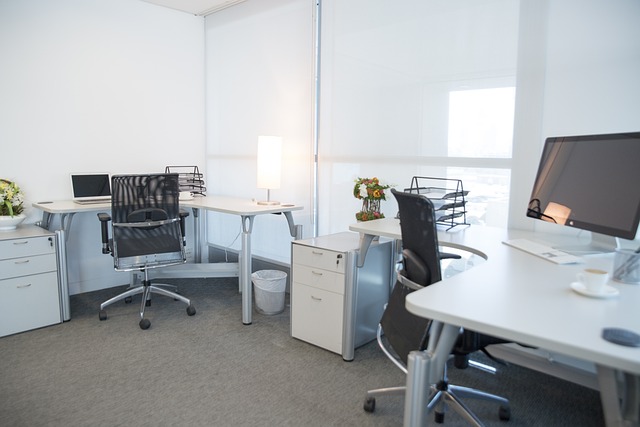
Streamline Wayfinding And Flow
Confusing circulation burns minutes and patience. Make corridors obvious, label rooms clearly, and put shared tools where everyone expects them.
Map the main loop so people can move from the entrance to the desks to meeting rooms without doubling back. Keep the loop wide enough for two-way traffic and rolling carts.
Publish a simple orientation map on entry and in elevators. Mark coffee points, restrooms, and emergency routes so visitors don’t interrupt teams for directions.
Before finalizing, walk the path with a new hire and a client. If either gets lost, your floor plan needs another pass.
Quick Fixes That Help Right Away:
- Number rooms logically from the entrance outward
- Put printers and supplies at crossroads, not dead ends
- Use consistent iconography for quiet vs. collaborative zones
- Add sightline cues so people can see the next waypoint
Put Data Behind Seat And Room Decisions
Guessing leads to bad fits and wasted space. Light-touch sensors, booking analytics, and entry data show what people truly use.
Look for daily and hourly patterns. If a bank of desks sits half empty midweek, convert part of it into small rooms that are always in demand.
Share simple dashboards with managers so they can shift rituals to the right spaces. When teams see the numbers, they support the changes.
Run small pilots before big moves. 30 days of data in a test zone can validate a layout without major cost.
A few design moves can unlock time, clarity, and trust inside your office. Start with a single pilot area, learn, and scale what works.
Keep the feedback loop tight and the rules simple. When the space makes the next step obvious, teams execute faster without trying.

