
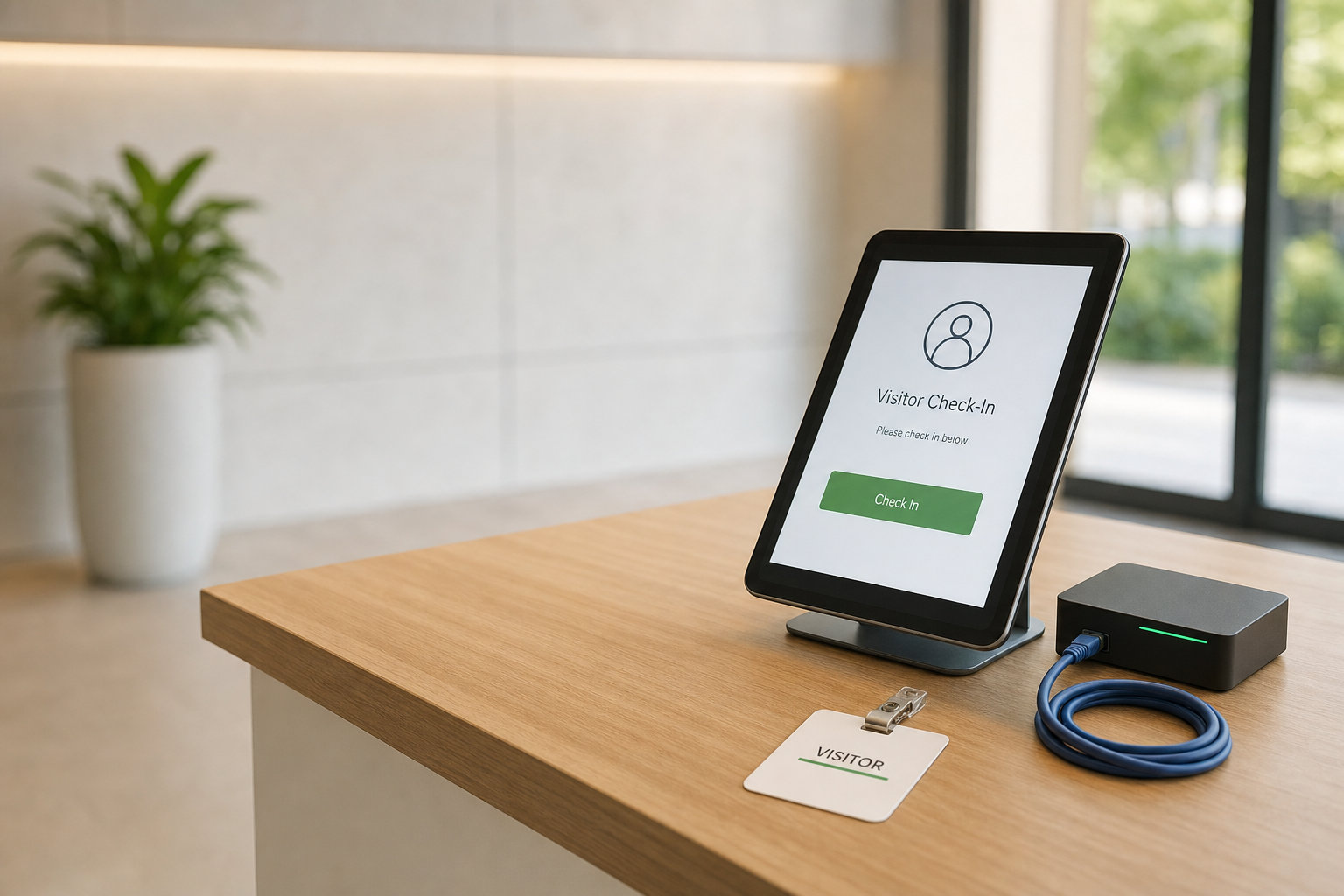

Front-desk operations are a key point where manual effort meets digital process, but handoff gaps often interrupt service flow. Connecting visitor intake data with business process platforms can transform these moments into seamless, traceable workflows. Proper integration creates consistency, reduces errors, and strengthens oversight across teams.
Modern offices and operational sites depend on efficient check-in processes, yet even sophisticated visitor management software often remains siloed from the systems handling downstream actions. When visitor management data is isolated, manual transfers and communication breakdowns cause friction at crucial handoff points. By integrating visitor management tools with established business process platforms, teams can automate transitions, improve responsiveness, and embed compliance controls throughout each visitor journey. This integration is especially important for organizations aiming to streamline both the initial intake and subsequent operational workflows.
Understanding how system integration works in practice
Integration means linking different digital systems so they exchange information automatically. Common approaches include native connectors to join pre-built tools, middleware that translates between platforms, and API-based links designed for specific data flows. Each approach can be tailored to provide the level of connectivity your organization requires.
Real-time syncing lets platforms share and update data immediately as events occur, which supports rapid response and current visibility. In contrast, batch syncing moves groups of records on a set schedule and may suit non-urgent reporting or routine updates. The method chosen should fit your workflow needs and the importance of up-to-date data for service delivery or security.
Selecting the right integration architecture depends on your organization’s technical capabilities and long-term scalability needs. Cloud-based integration platforms offer flexibility and reduced infrastructure overhead, making them suitable for organizations with distributed locations or remote teams. On-premise solutions provide greater control over data residency and security configurations, which may be necessary for highly regulated industries. Hybrid approaches combine both models, allowing sensitive data to remain on-premise while leveraging cloud services for less critical workflows. Evaluating your current IT environment, compliance requirements, and growth projections helps determine which architecture will best support sustained operational efficiency.
Key operational workflows that benefit most from integration
Core operational touchpoints become more efficient when visitor data transfers smoothly into business process platforms. Key areas include the check-in to service delivery handoff, where routing, task assignment, and service levels rely on accurate intake information. Automated processes in these steps help ensure each visitor receives prompt and prioritized attention.
Identity verification and authorization use visitor data to control access, timing, and resource permissions. Integrating this with process platforms supports rule enforcement and creates clear audit trails. Integrated notifications keep staff updated on visitor status, and record retention procedures ensure compliance is maintained as part of the workflow.
Notifications and escalation paths can be automated, alerting the right personnel during key moments such as arrivals, policy issues, or extended wait times. Linking these alerts to main workflows increases accountability and keeps all team members informed as visitors progress through defined stages.
Standardizing and preparing data for reliable integration
Effective integration starts with standardizing the fields and formats shared between your visitor management tools and business process platforms. Defining consistent values for visitor type, host, purpose, location, and timestamps creates a common language for both systems. Standardization simplifies reporting and supports workflow automation.
Addressing exceptions like walk-ins, no-shows, and frequent repeat visitors requires specific data mapping and clear exception handling rules. Without this, automated handoffs can fail or cause errors. Data quality controls clarify staff responsibilities, setting ownership for updating and correcting records at each stage of the workflow.
Clear assignments also support compliance, ensuring accountability when changes occur. Data quality guidelines must cover duplicate and incomplete records so integrated workflows continue without interruption.
Measurable operational gains from seamless integration
Integrating visitor management tools with business process platforms reduces manual re-entry of data and the errors it causes. Automatic transfer of check-in details to operational workflows removes redundant entry tasks and lets teams focus on service delivery. This can help reduce delays and support faster service responses.
Faster handoffs can lead to shorter cycle times, moving each visitor more quickly from arrival to completion of their request. Real-time logging of intake data within process platforms improves workload visibility, enabling managers to plan staffing and resource allocations effectively.
Standardized, integrated workflows enable more consistent execution across locations and teams. Running a uniform process helps organizations meet compliance standards and improves the visitor experience through predictable and professional interactions.
Addressing governance, risk, and privacy during integration
Aligning system integration with governance requirements is vital for reducing operational risks. Using strong access controls and following least-privilege principles prevents unauthorized data exposure and minimizes risk from process errors. Privacy-by-design focuses on collecting only the data needed and setting clear retention periods to protect personal information.
Organizations should prepare for possible system downtimes by creating fallback or offline procedures. Depending solely on digital integration can disrupt operations if network or software failures occur. Having alternative processes in place helps maintain service and data integrity during outages.
Understanding legal and regulatory requirements for visitor data collection is essential. Reviewing local or industry-specific guidelines helps inform integration and strengthens compliance safeguards.
Steps for process-focused teams to implement integration
The first step is mapping current workflows in detail, highlighting where handoff delays and frictions occur. These points are usually related to manual transfers, missing information, or lost visibility at transition stages. Good documentation provides a baseline for improvement opportunities.
Next, defining the desired future workflow and identifying integration triggers enables targeted changes. Piloting the integrated approach at one site or for a specific use case allows teams to refine setup, training, and exception procedures. After successful trials, the solution can be standardized and extended to similar contexts across your organization.
Comprehensive documentation supports long-term use and consistency of the new workflow. Clear procedures help staff adapt and ensure integration benefits are maintained as teams and requirements evolve.
Building continuity and oversight through integration
When visitor management tools and business process platforms work together, your organization gains a clear and well-documented operational framework. This ensures front-desk check-ins flow smoothly into all following workflows, closing handoff gaps that could disrupt service. Integration improves efficiency and accountability, producing more reliable results for staff and visitors.
With established data standards and governance, teams can respond faster, reduce manual errors, and maintain transparent processes from arrival to service completion. As operational demands increase, integrated workflows provide the structure to manage growth while keeping service consistent.

